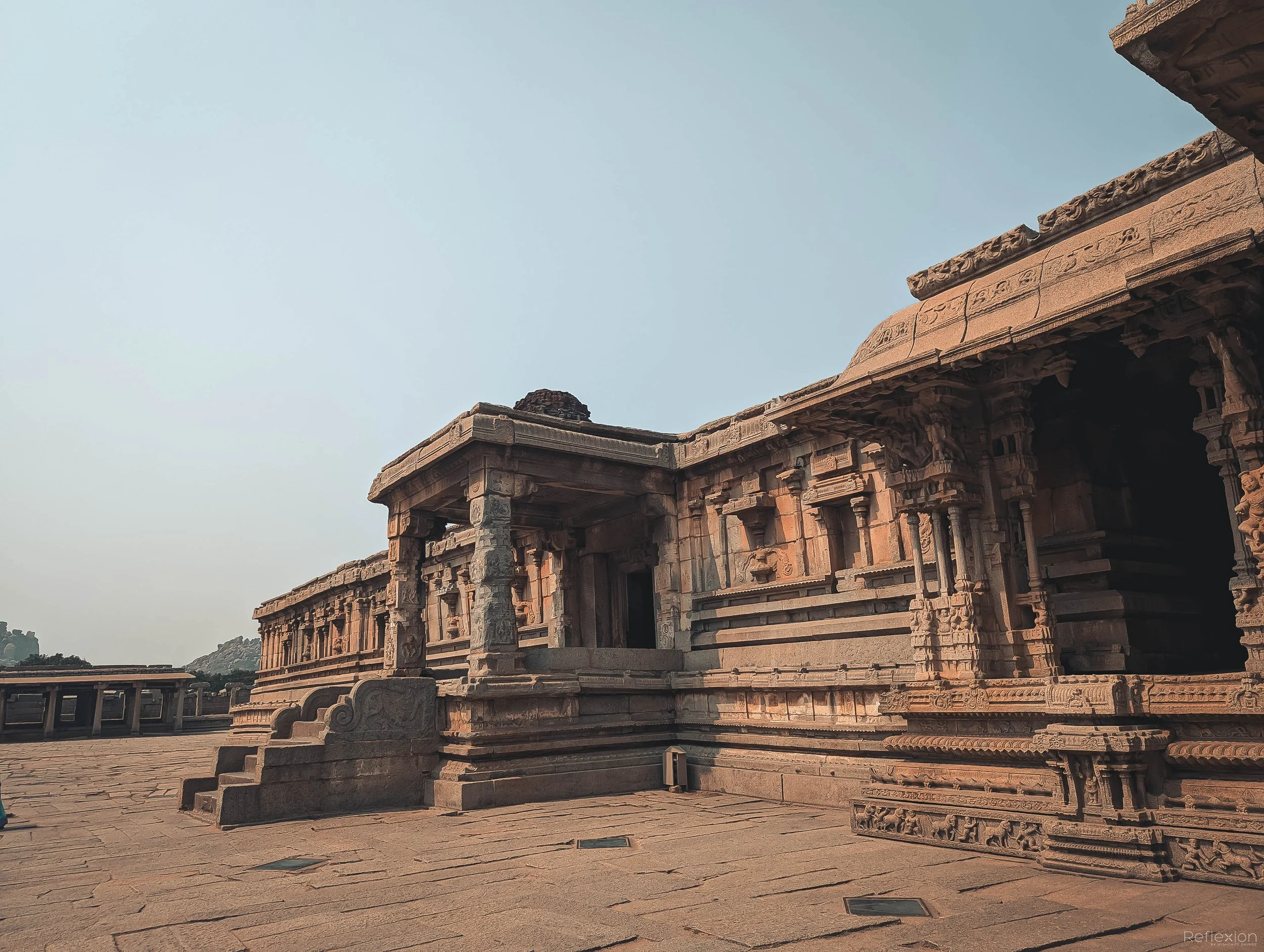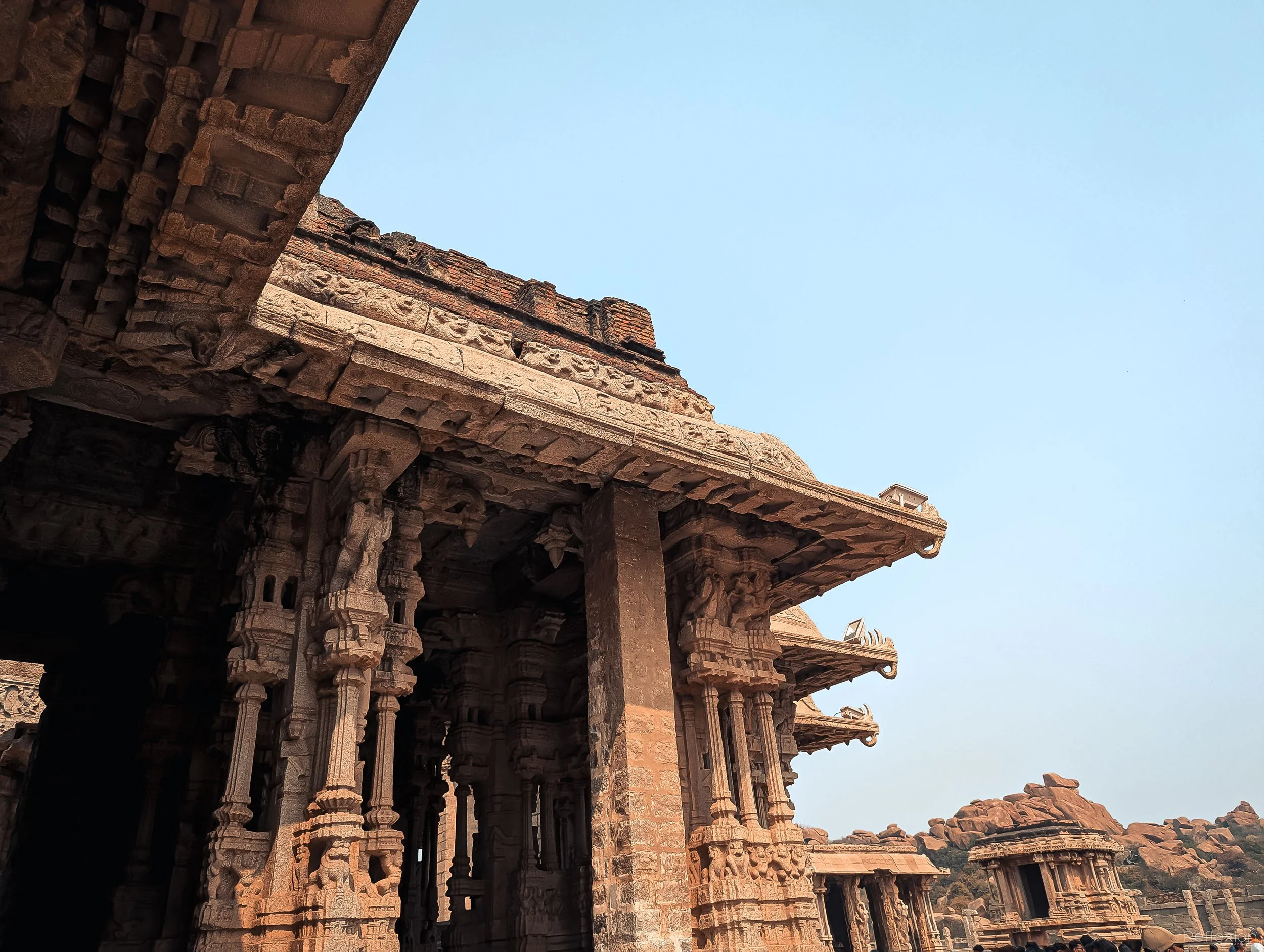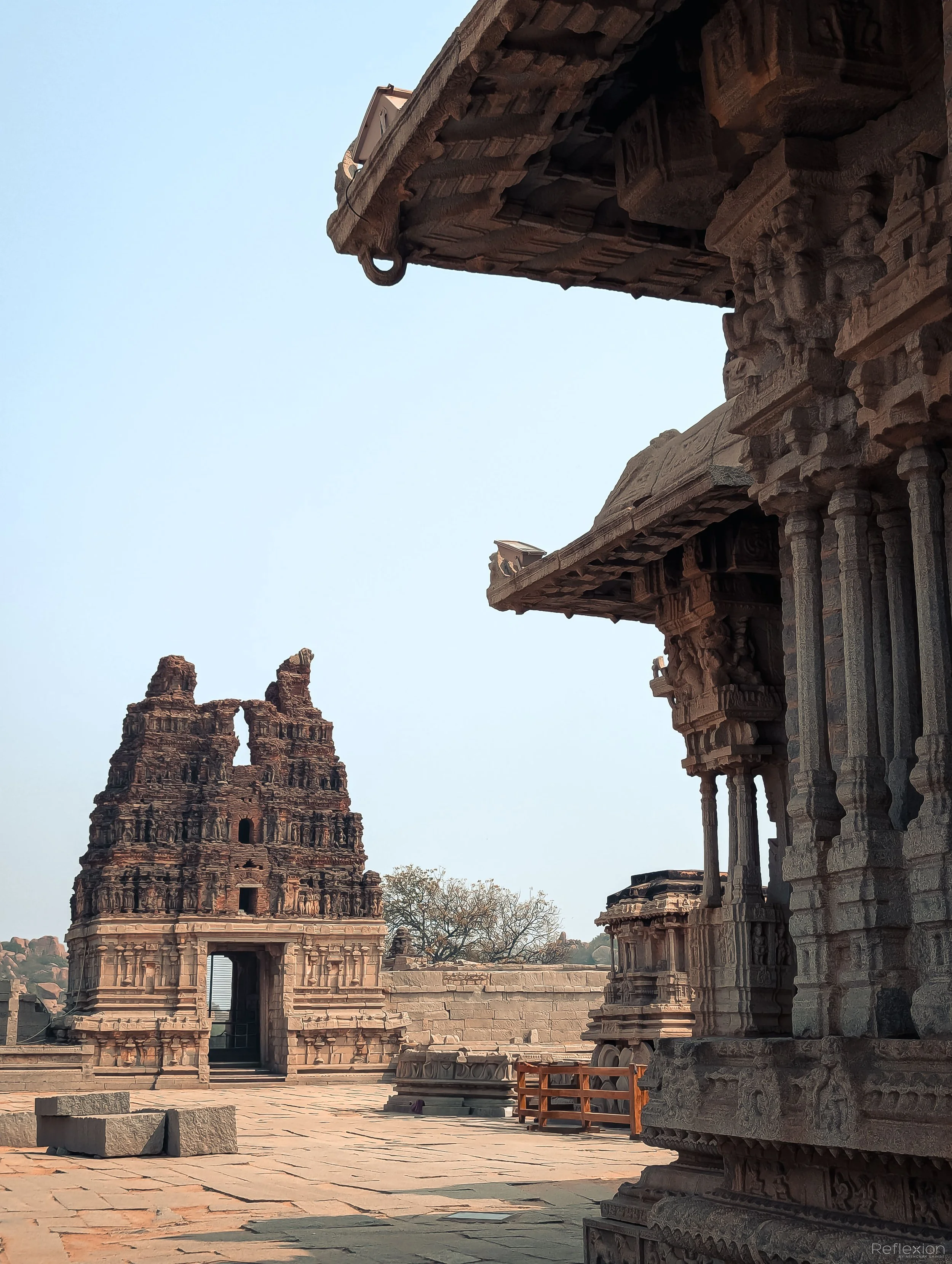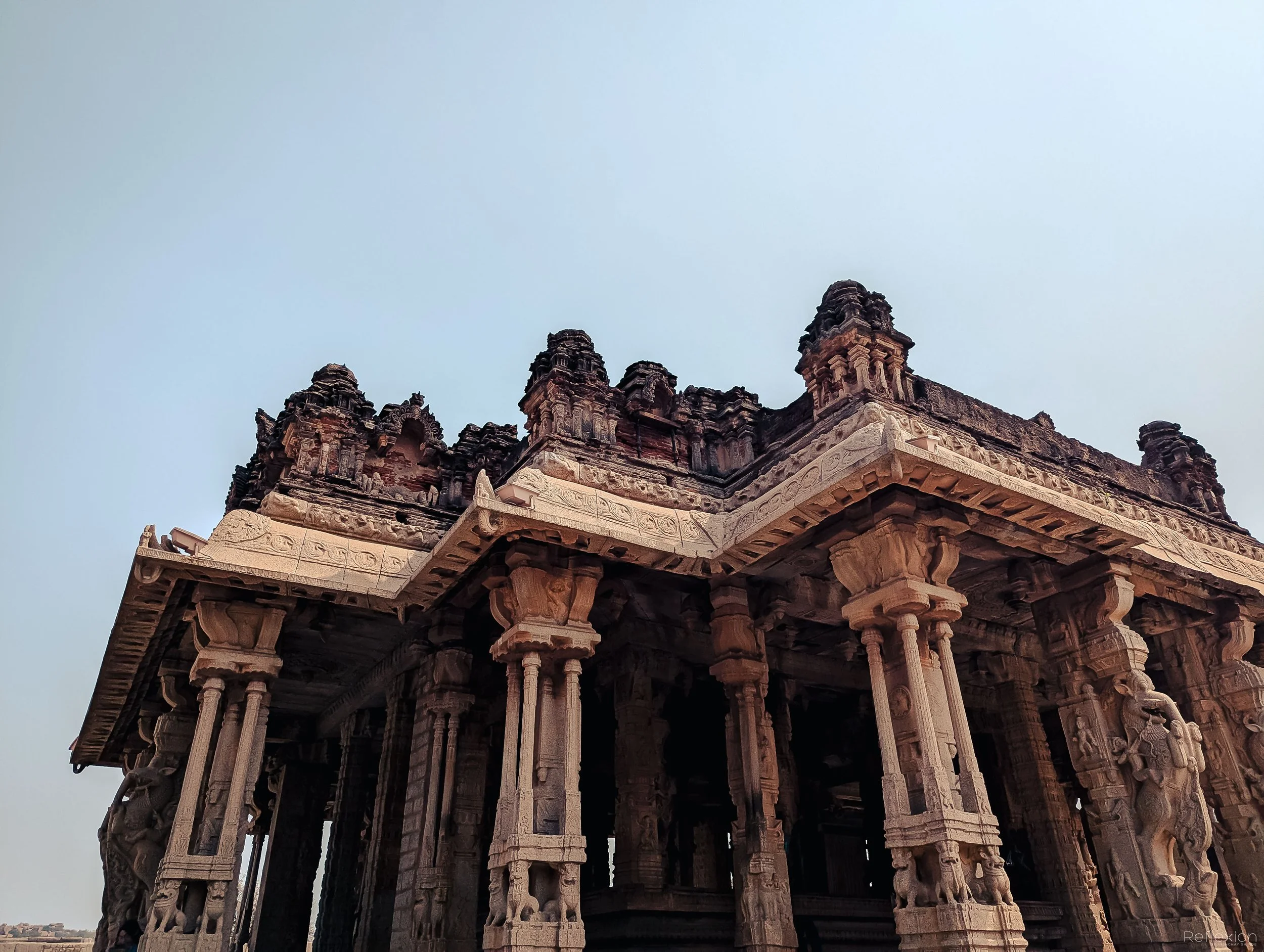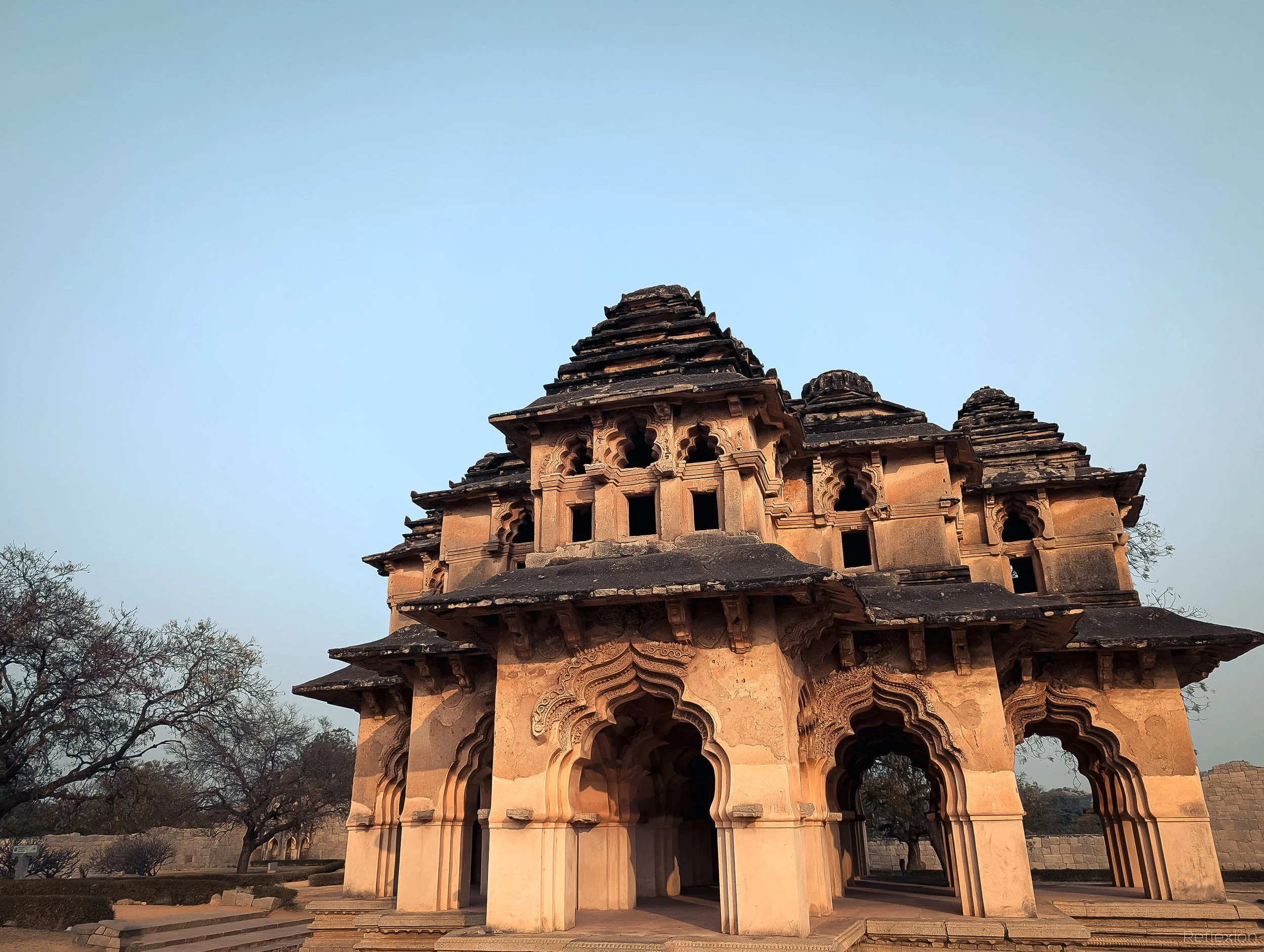
Hampi: A Masterclass in Timelessness
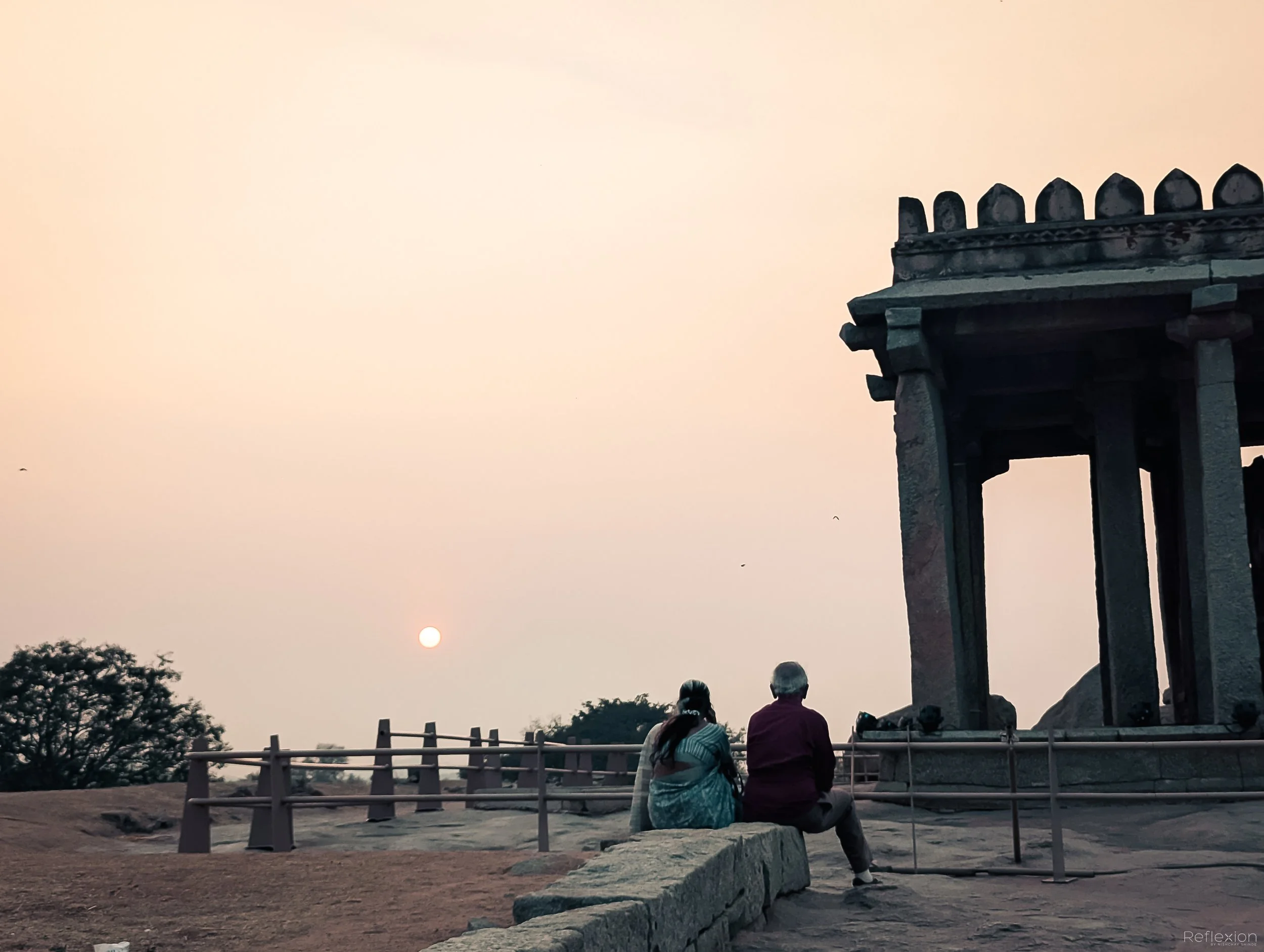
In a world obsessed with the latest upgrades, I took a 3-year-old Google Pixel 7 Pro to the ancient ruins of Hampi. Can a 2022 flagship still capture the soul of a UNESCO World Heritage site in 2026? From the dusty banks of the Tungabhadra to the granite heart of the Stone Chariot, these 50+ images prove that quality is timeless. Google, it’s time to notice what your 'old' tech is still capable of.
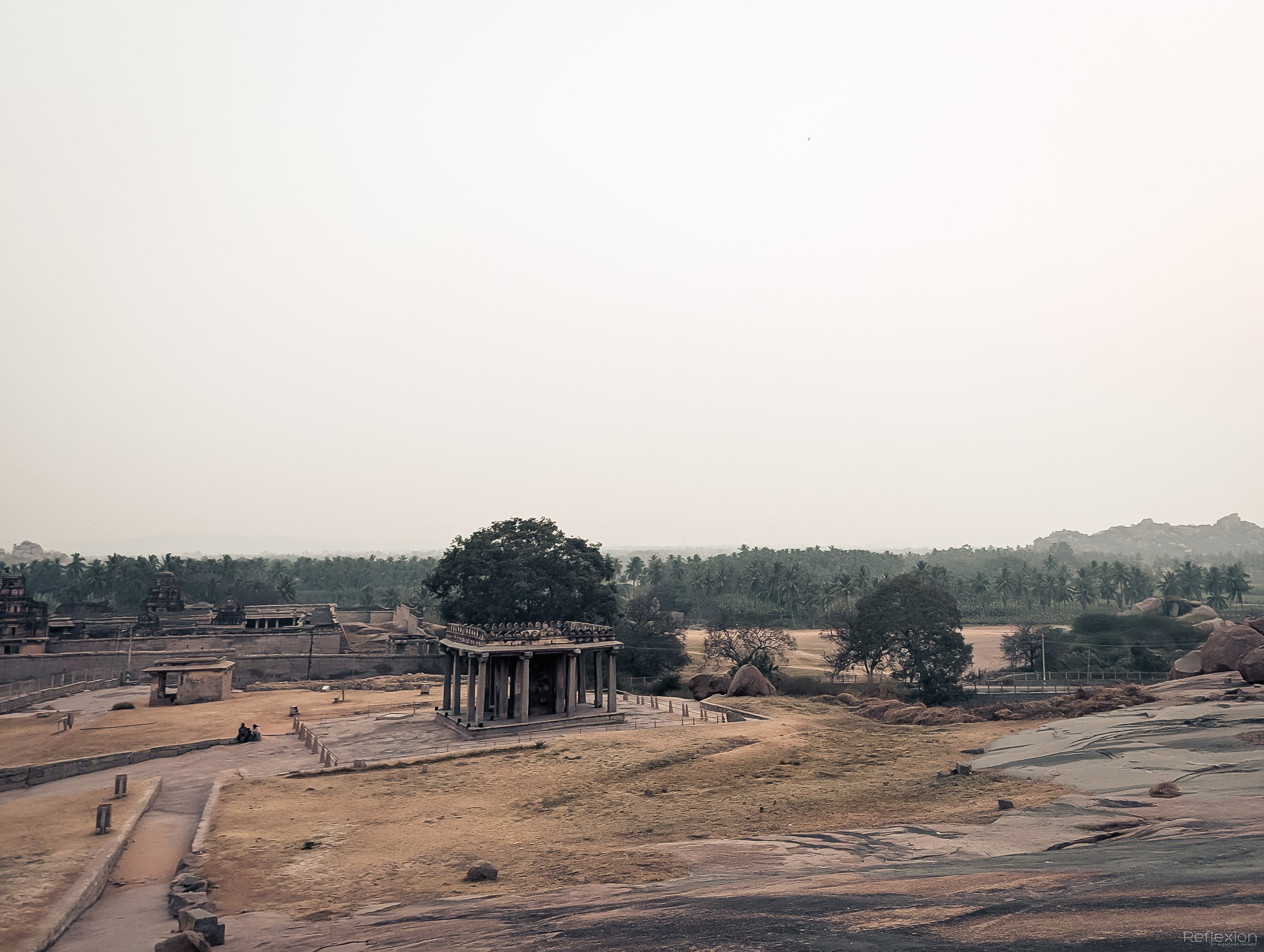
Hampi is a landscape carved from sun-scorched granite and golden dust. Walking through the remnants of the Vijayanagara Empire, you feel the weight of history in every boulder and the whisper of ancient chants in every temple corridor.
When planning this trip, I faced the classic photographer's dilemma: pack the heavy professional mirrorless kit or trust my mobile device. I chose to travel light. I left the bulky lenses behind and relied entirely on the Google Pixel 7 Pro.
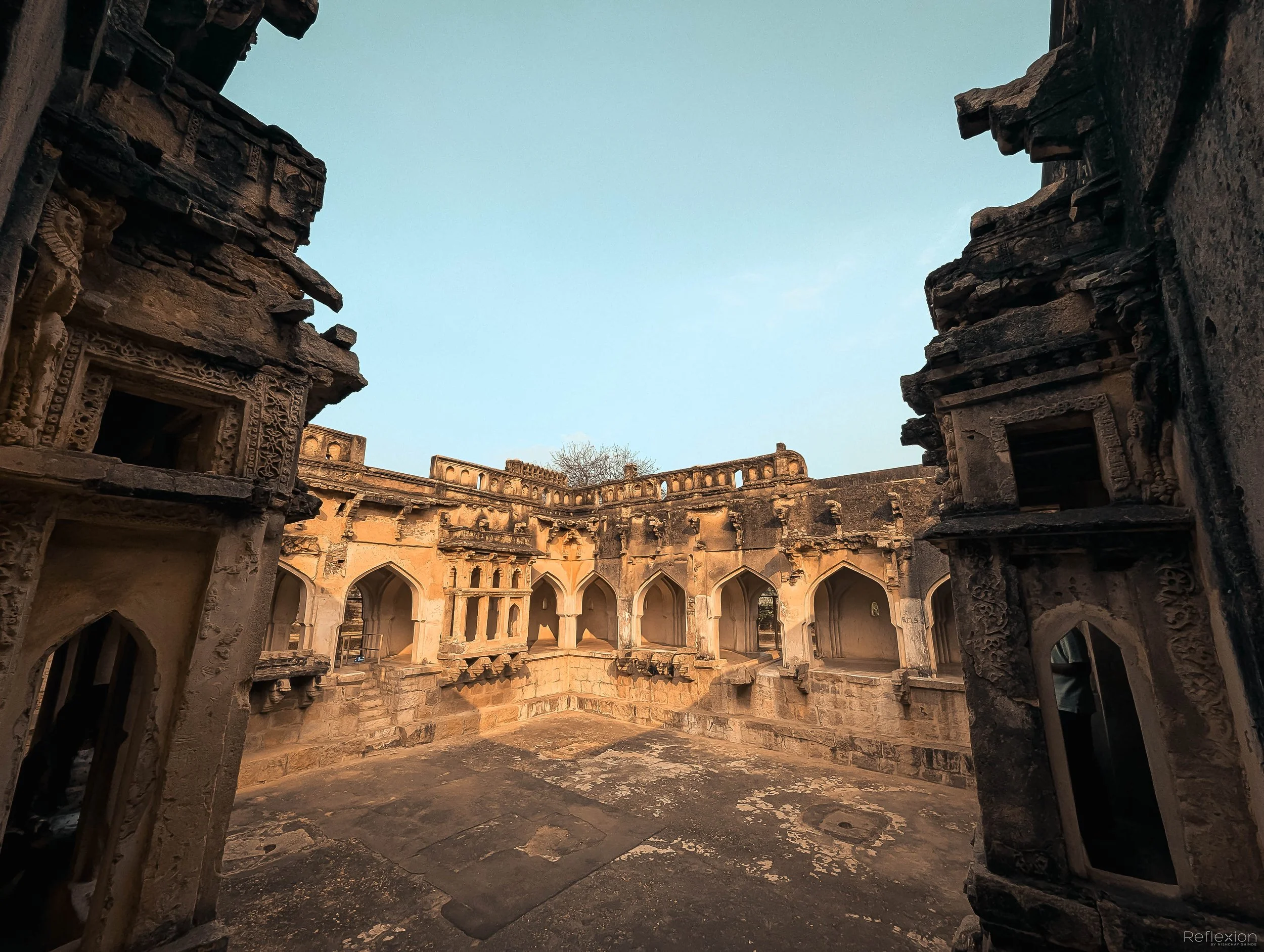
Hampi is a demanding landscape. Between climbing steep boulder hills and squeezing through narrow temple ruins, being agile was a priority. Choosing a phone for capturing images gave me a freedom of movement that a heavy camera bag simply wouldn't allow. This flexibility let me discover perspectives and angles that I might have skipped if I were weighed down by gear. After a few touch-ups in Adobe Lightroom to highlight the warm, earthy tones of the stone, the results are clear: you don't need a bulky mirrorless setup to capture the true spirit of an ancient world.
1. The Geometry of the Past
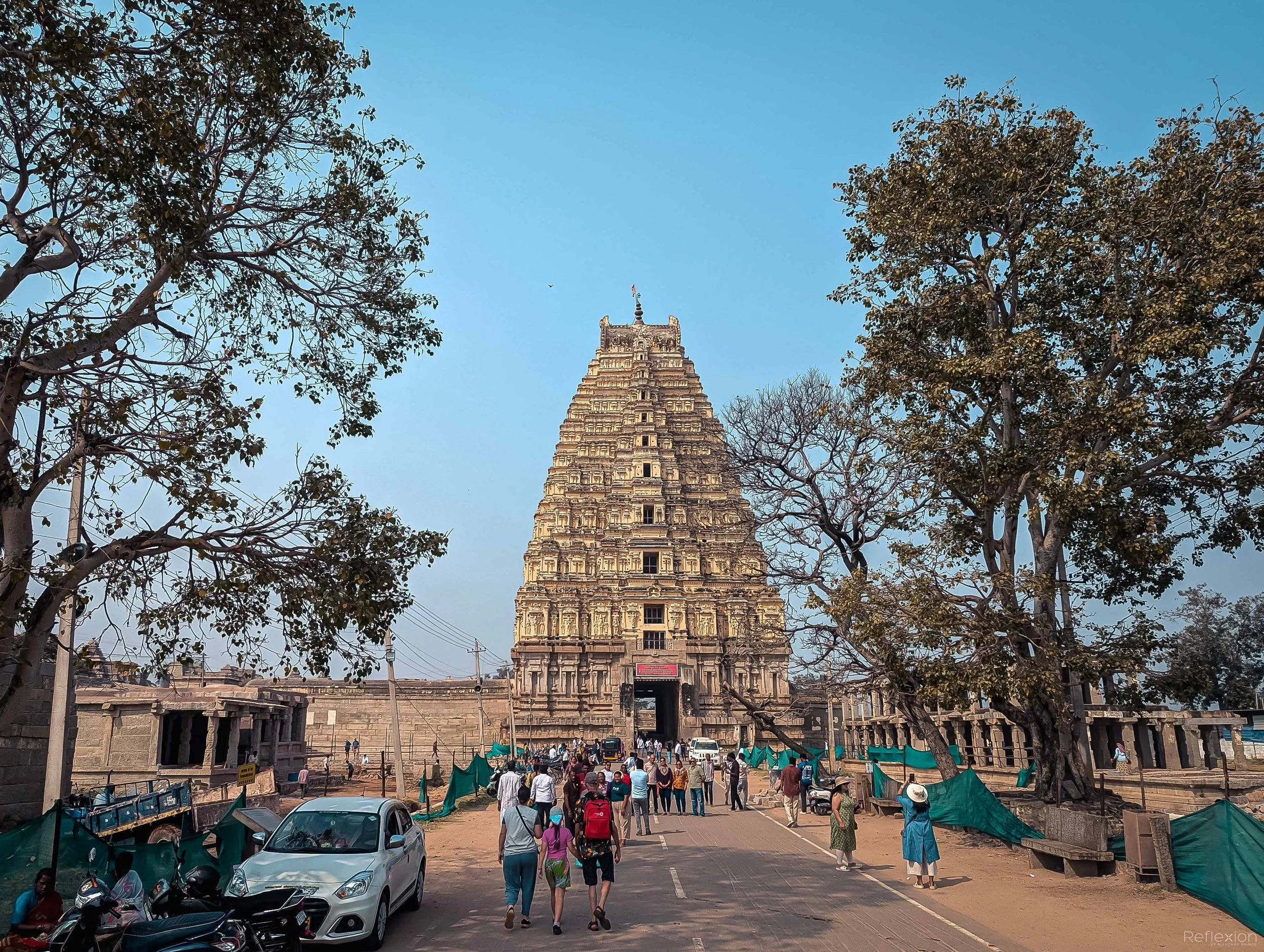
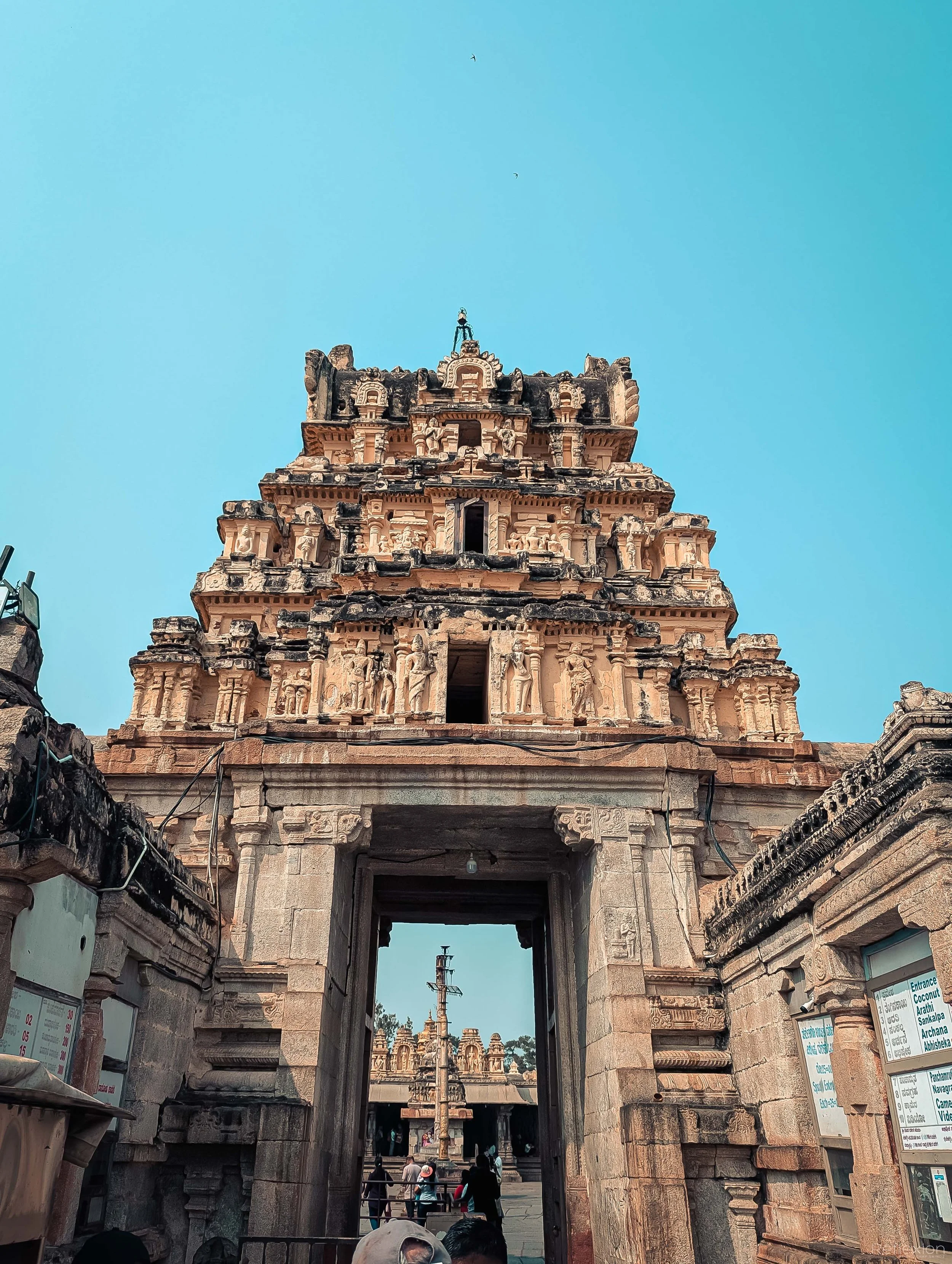
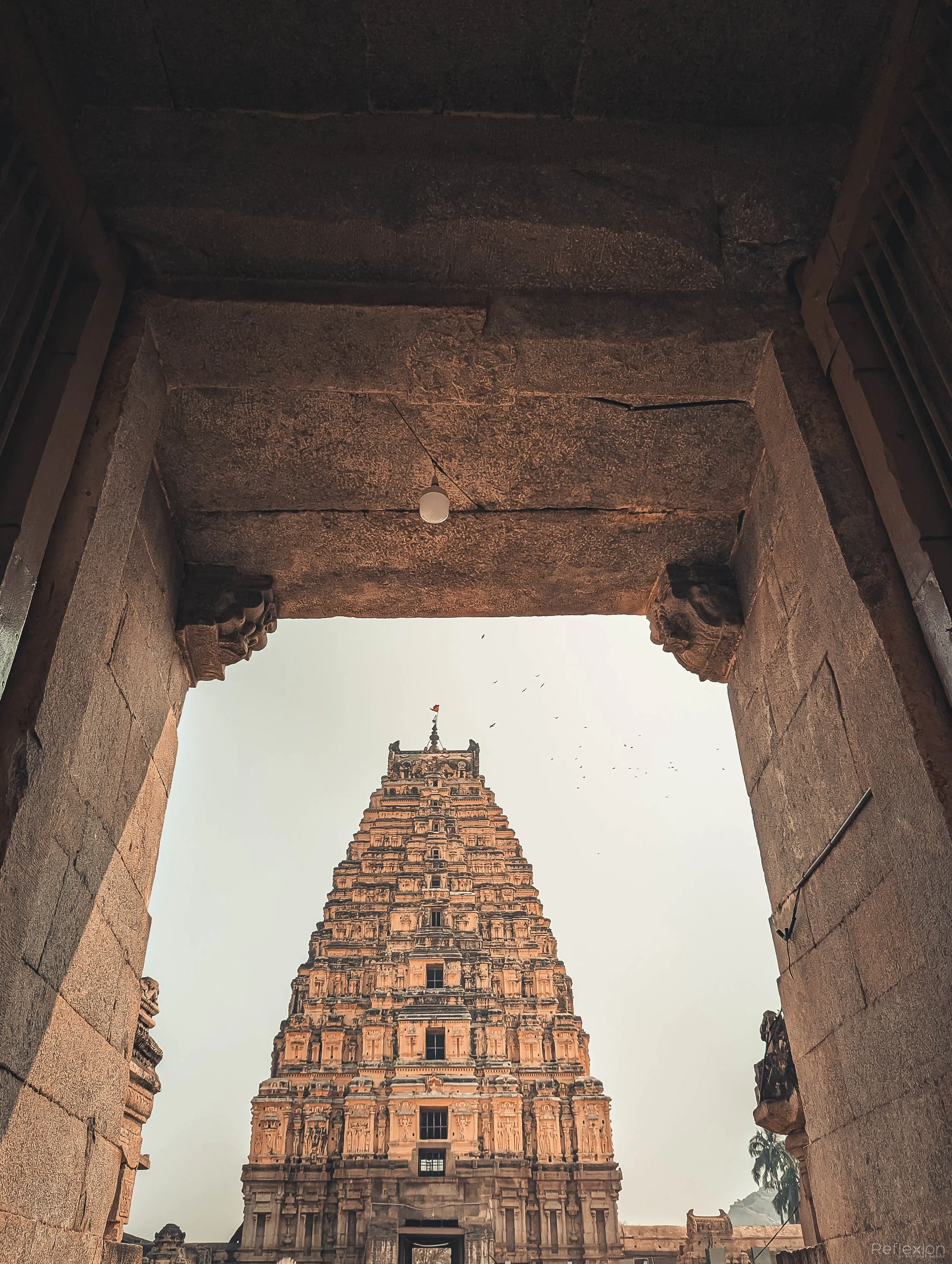
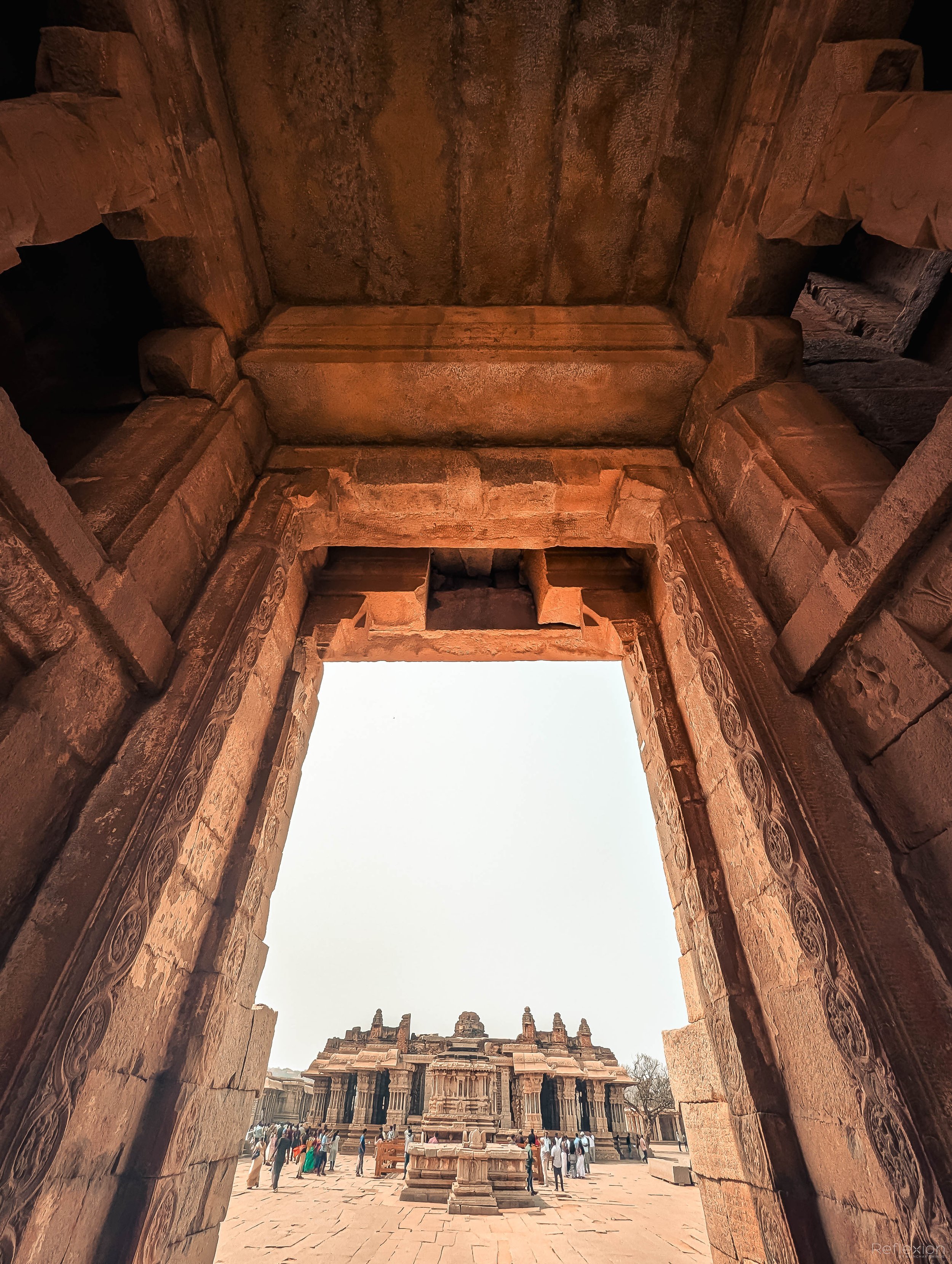
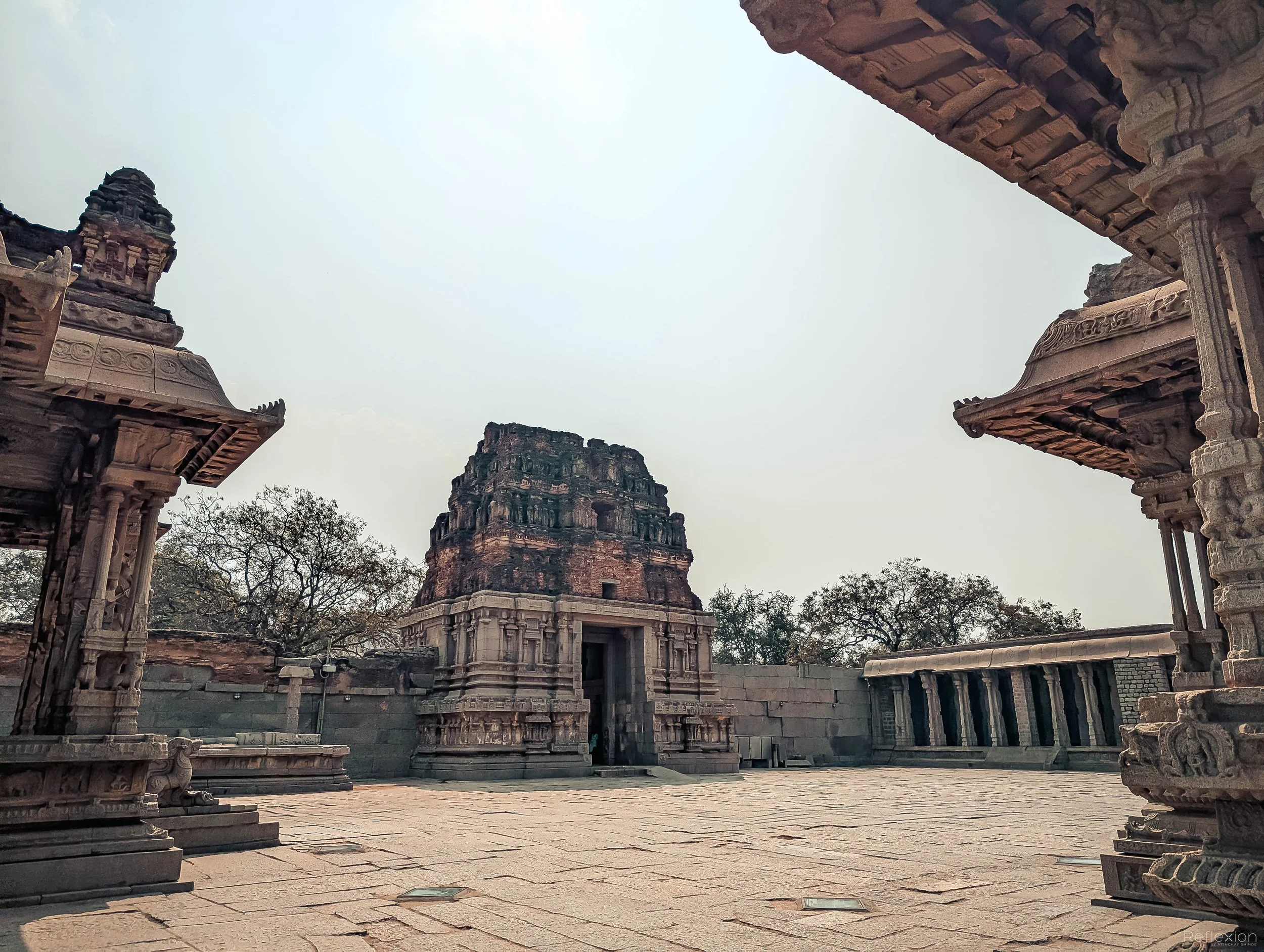
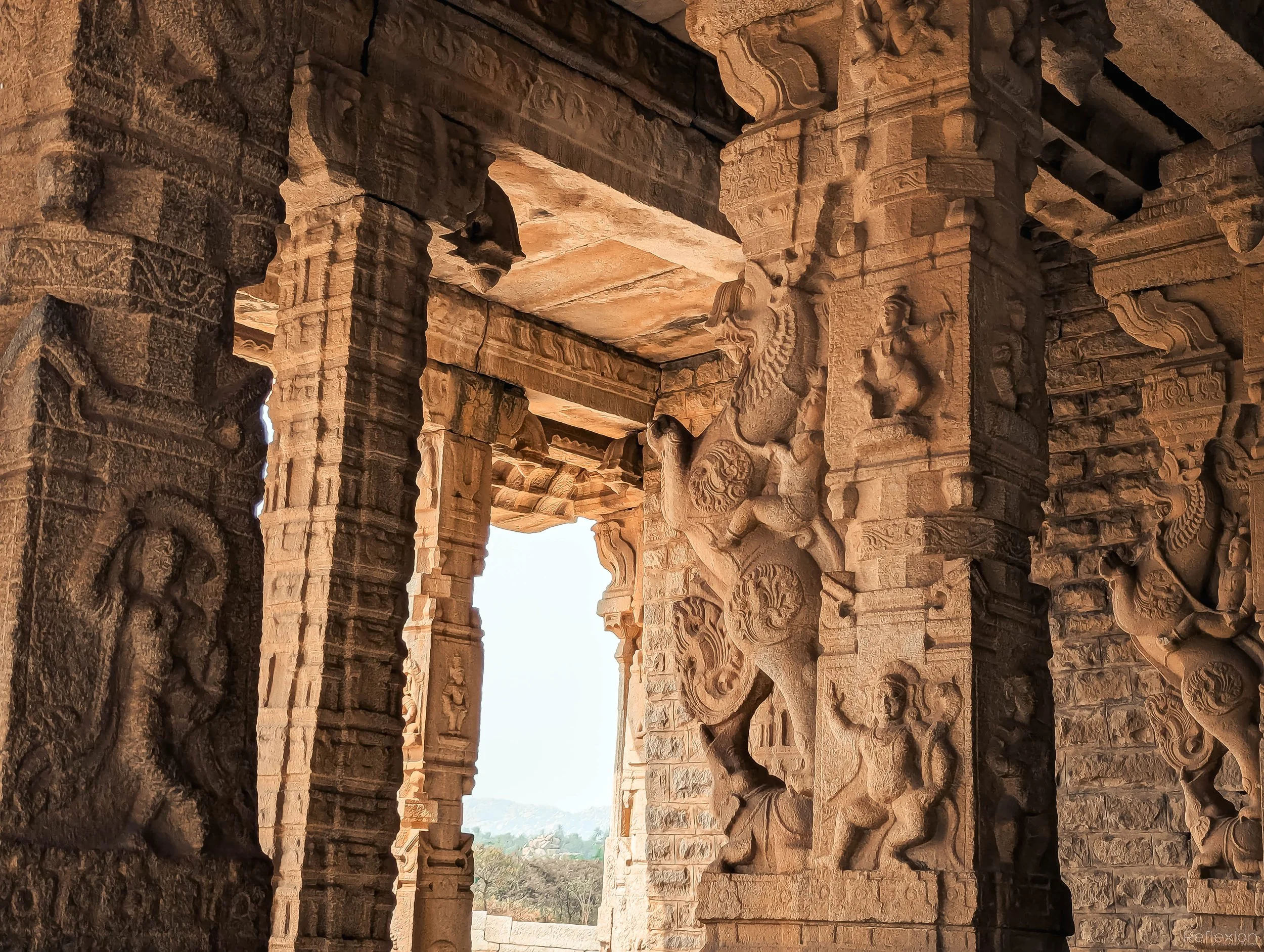
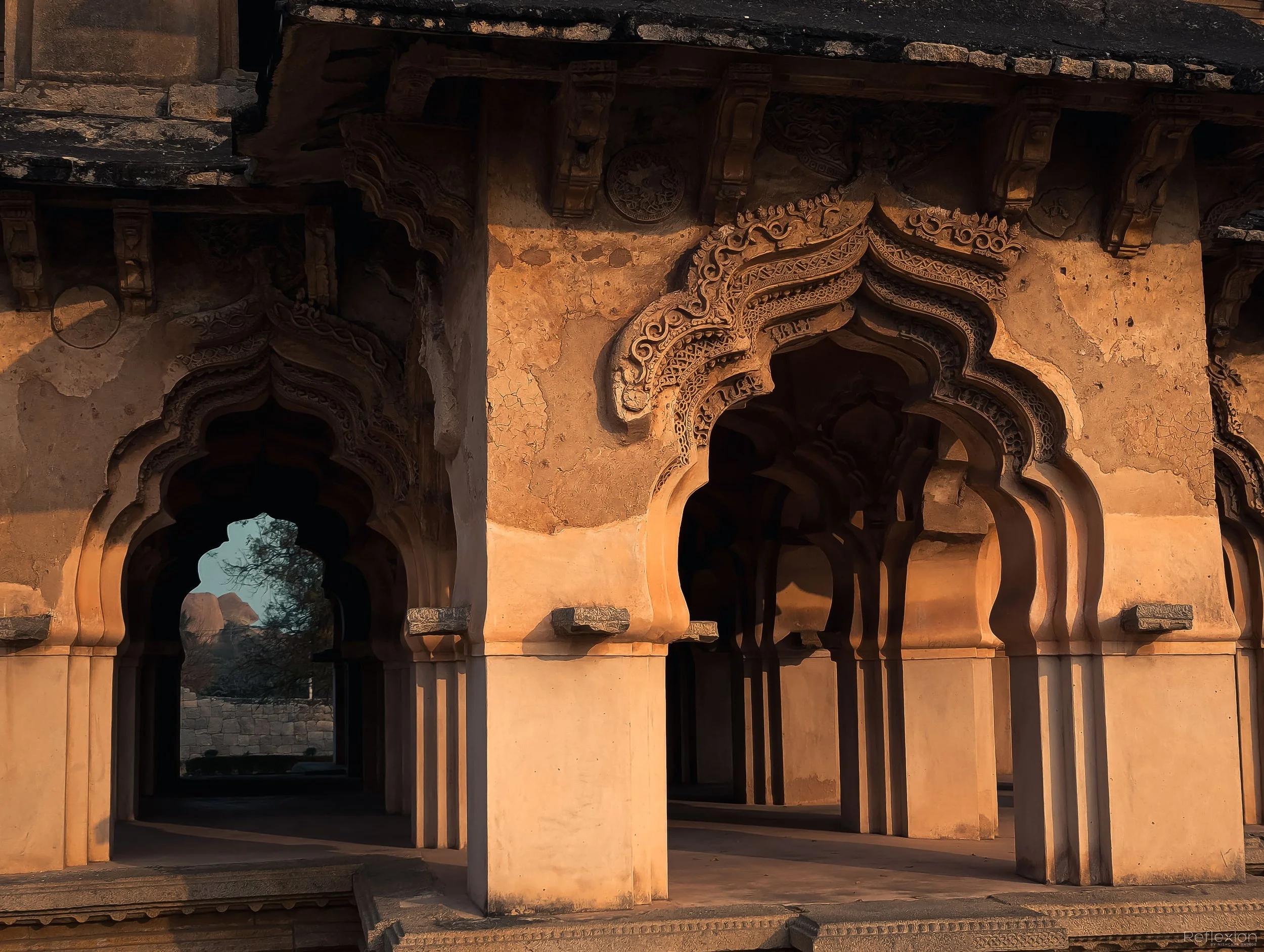
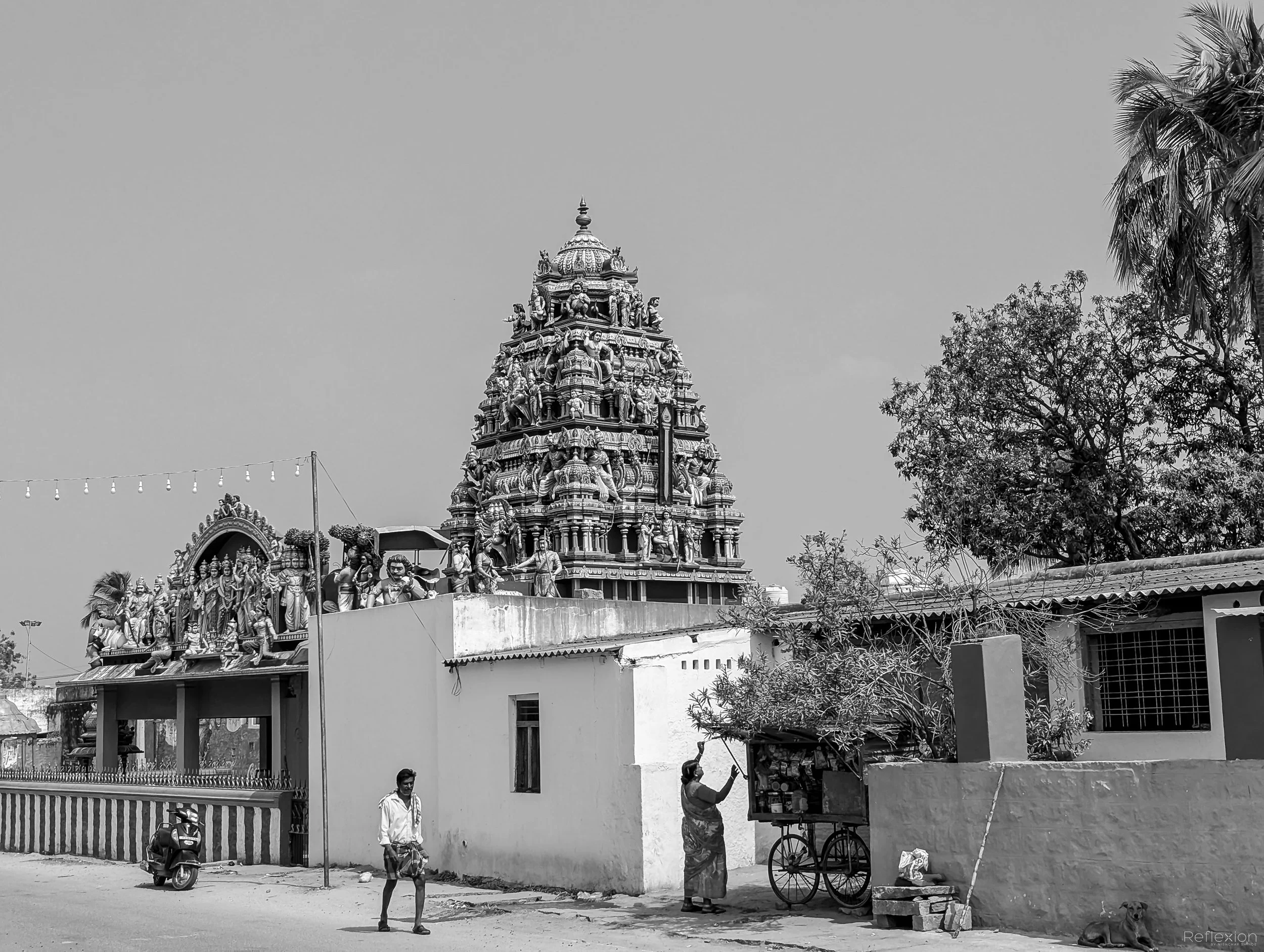
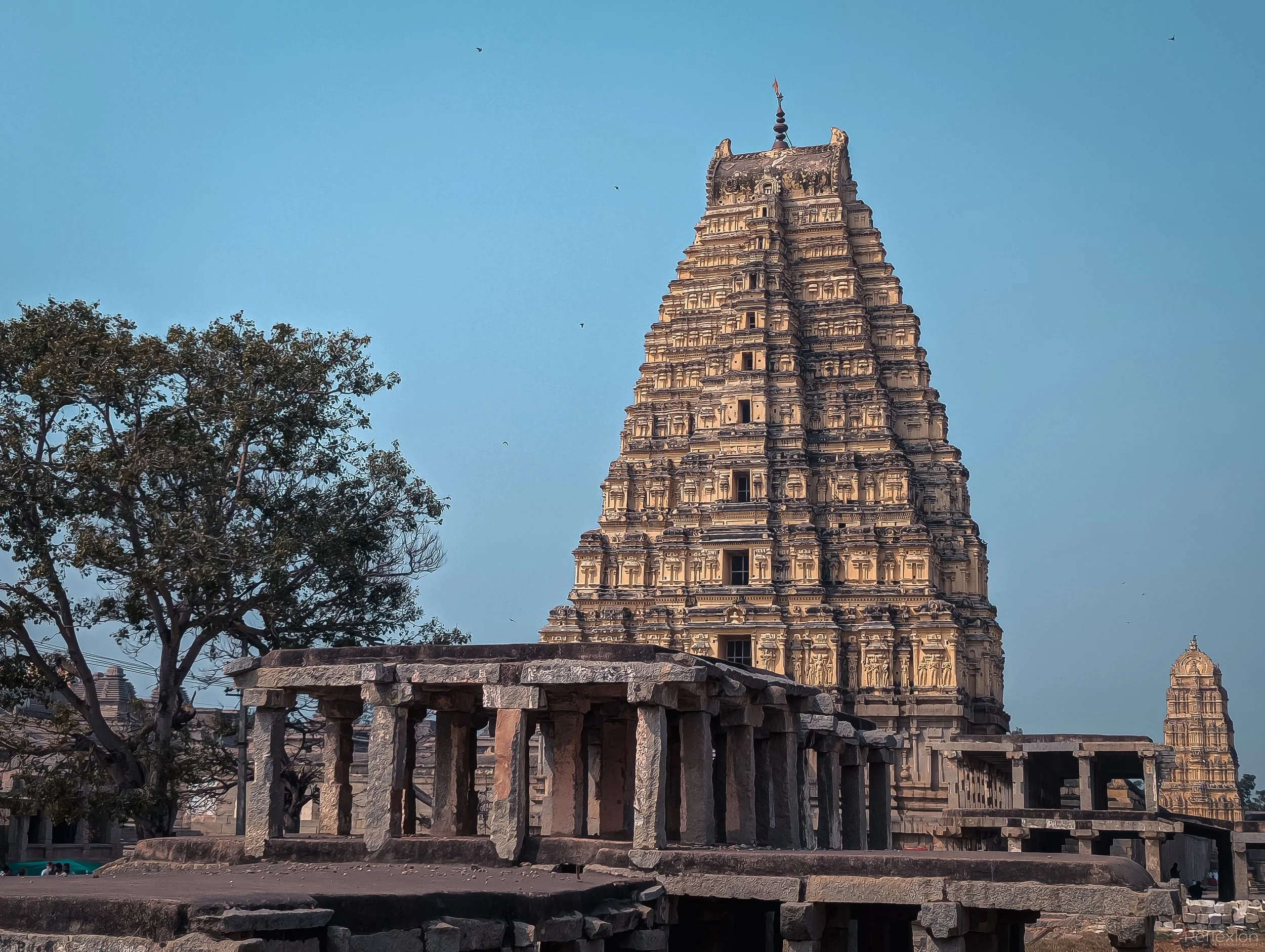
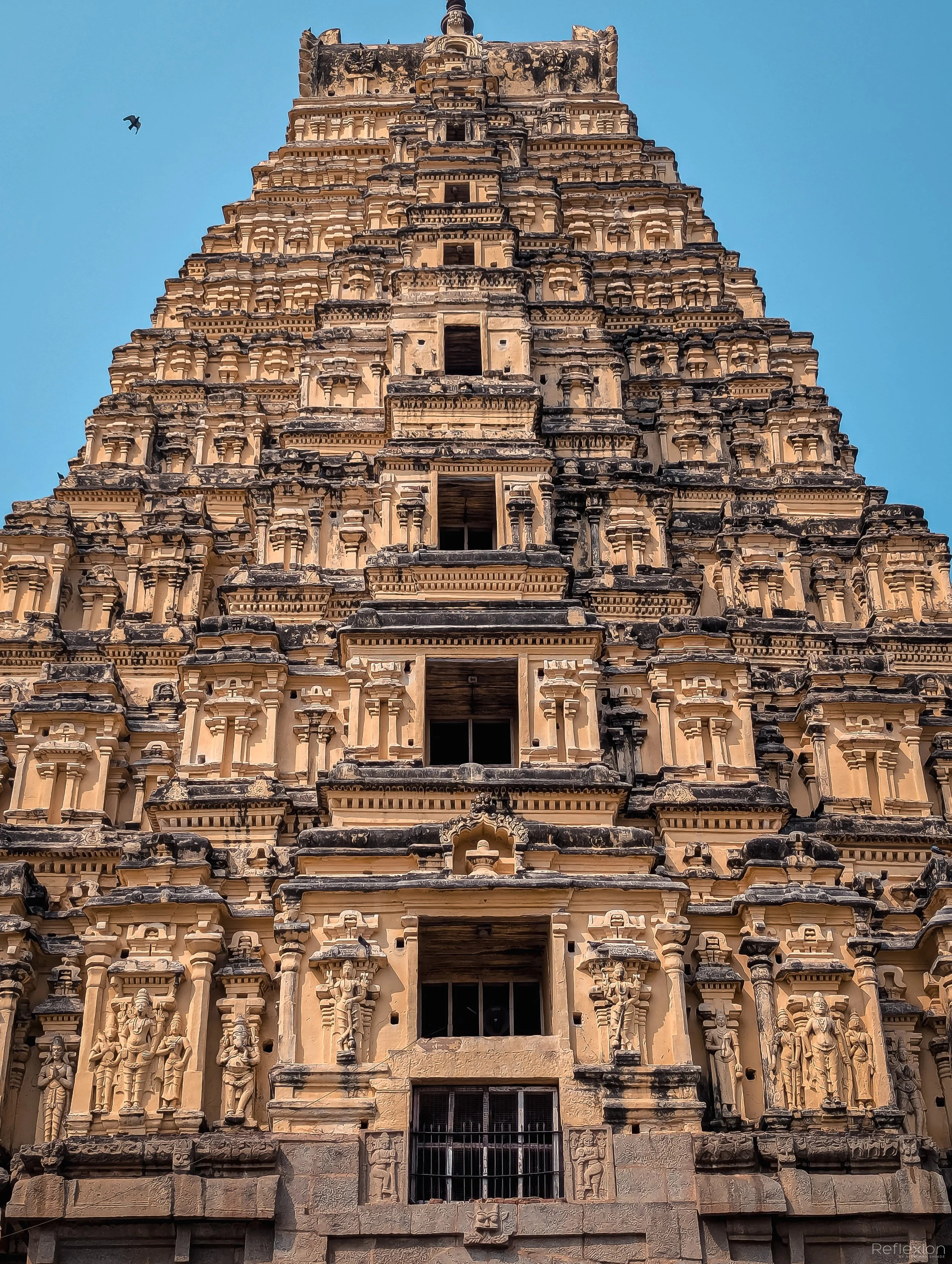
The Virupaksha Temple stands as a sentinel over the village, its towering gopuram a masterclass in Dravidian architecture. I wanted to capture the sheer verticality of the stone, focusing on the micro-contrast of the carvings. The goal was to show how the midday sun plays across the granite, revealing stories hidden in the shadows for centuries.
2. Light in the Shadows
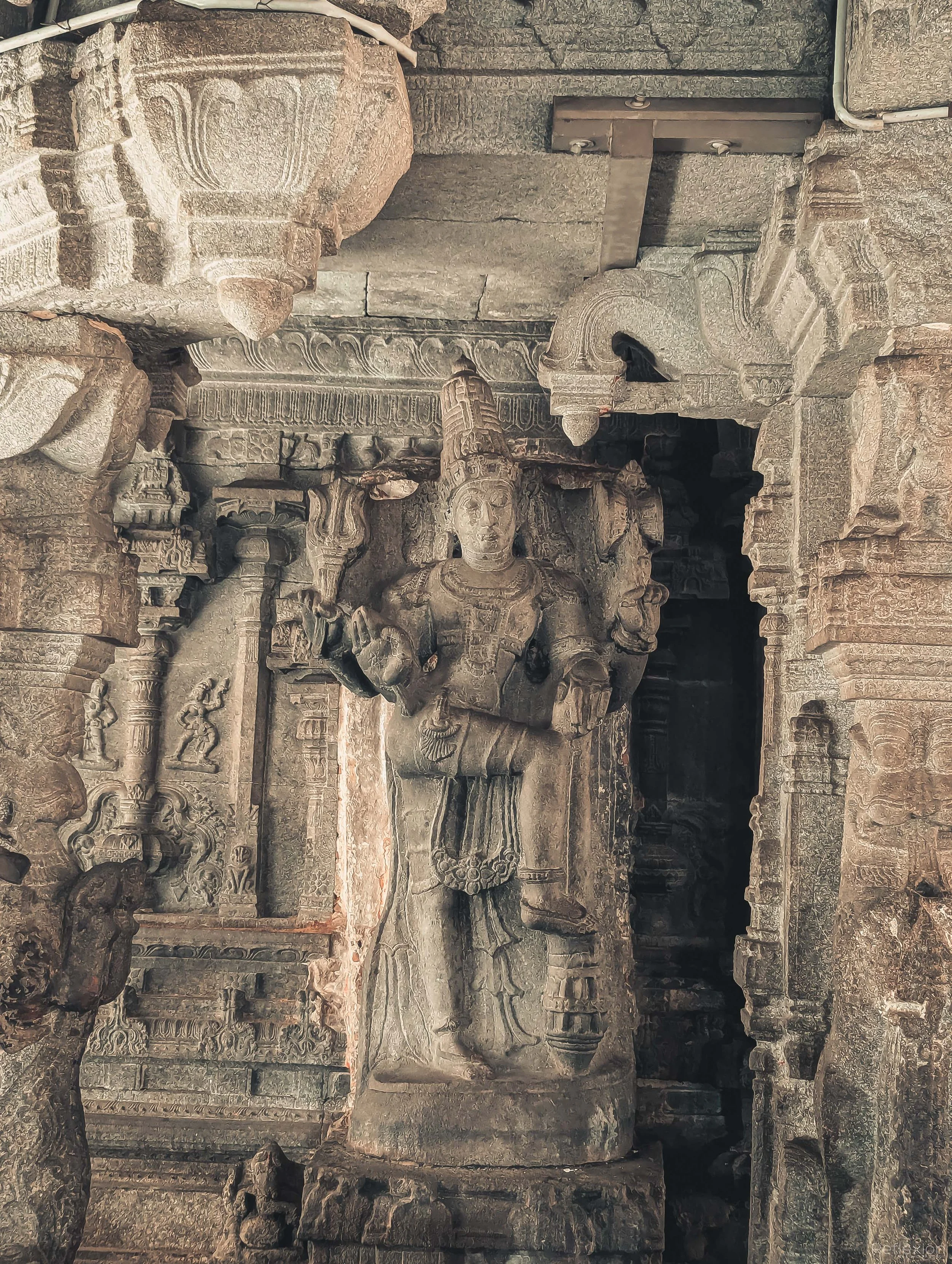
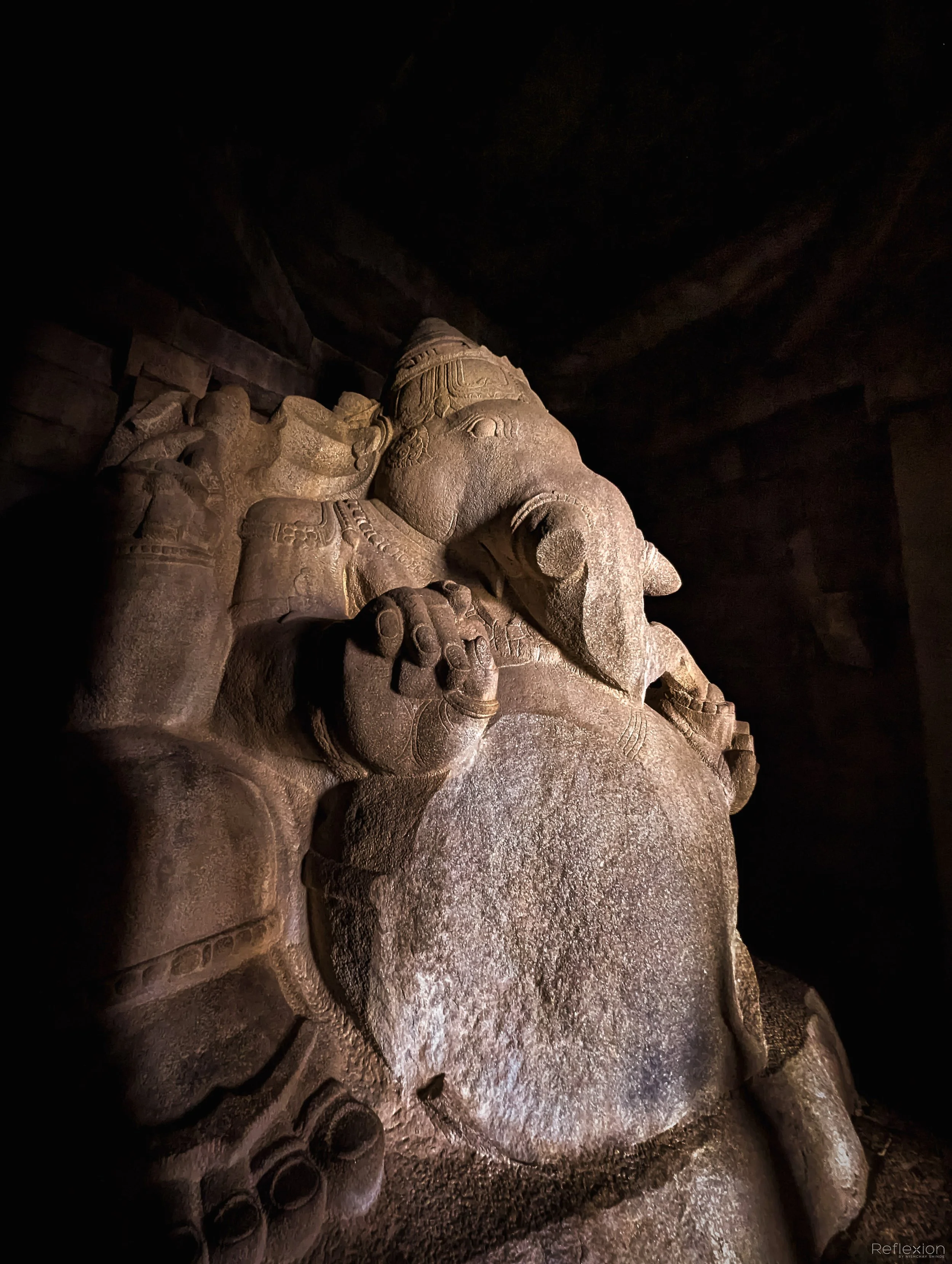
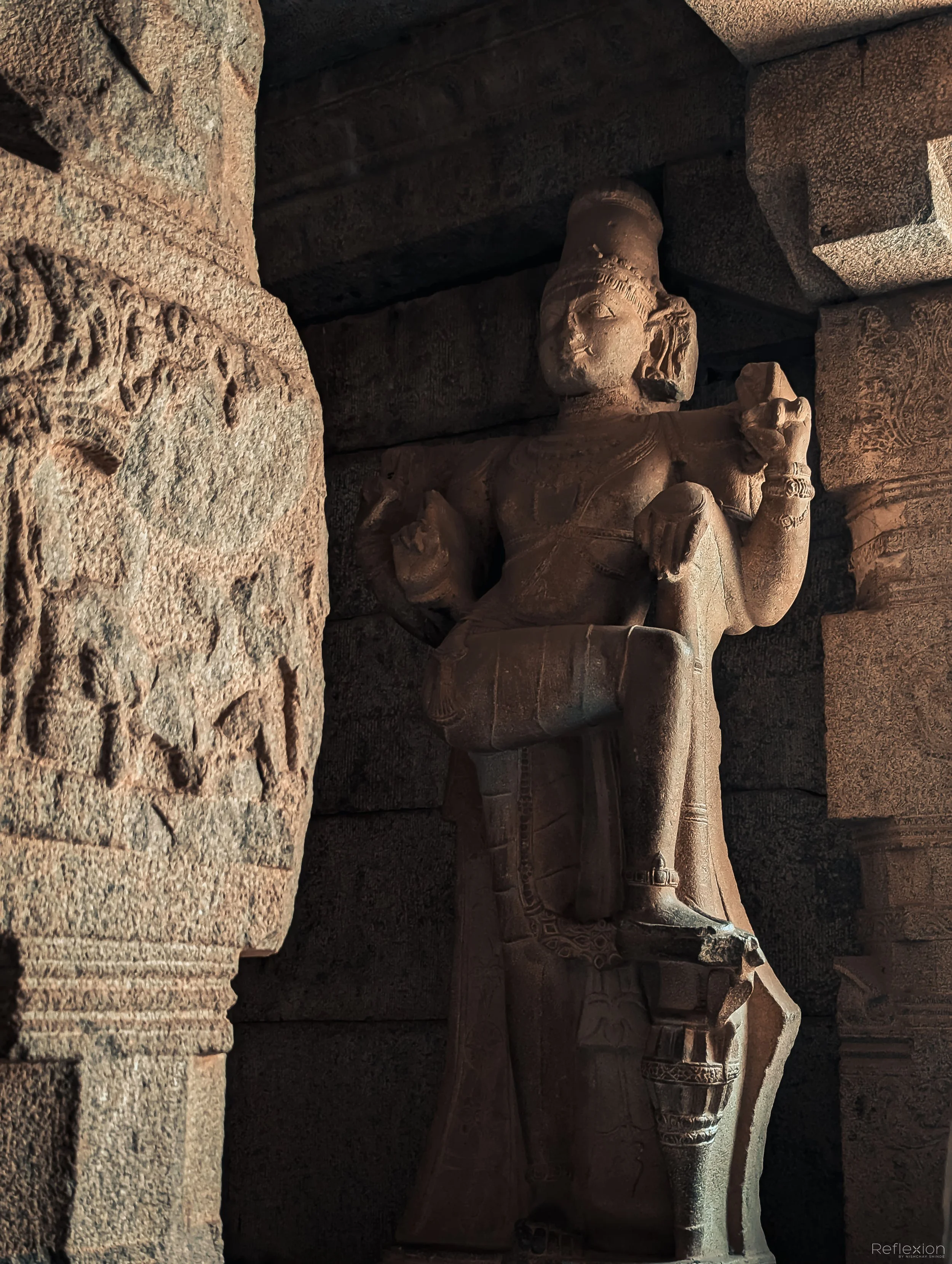
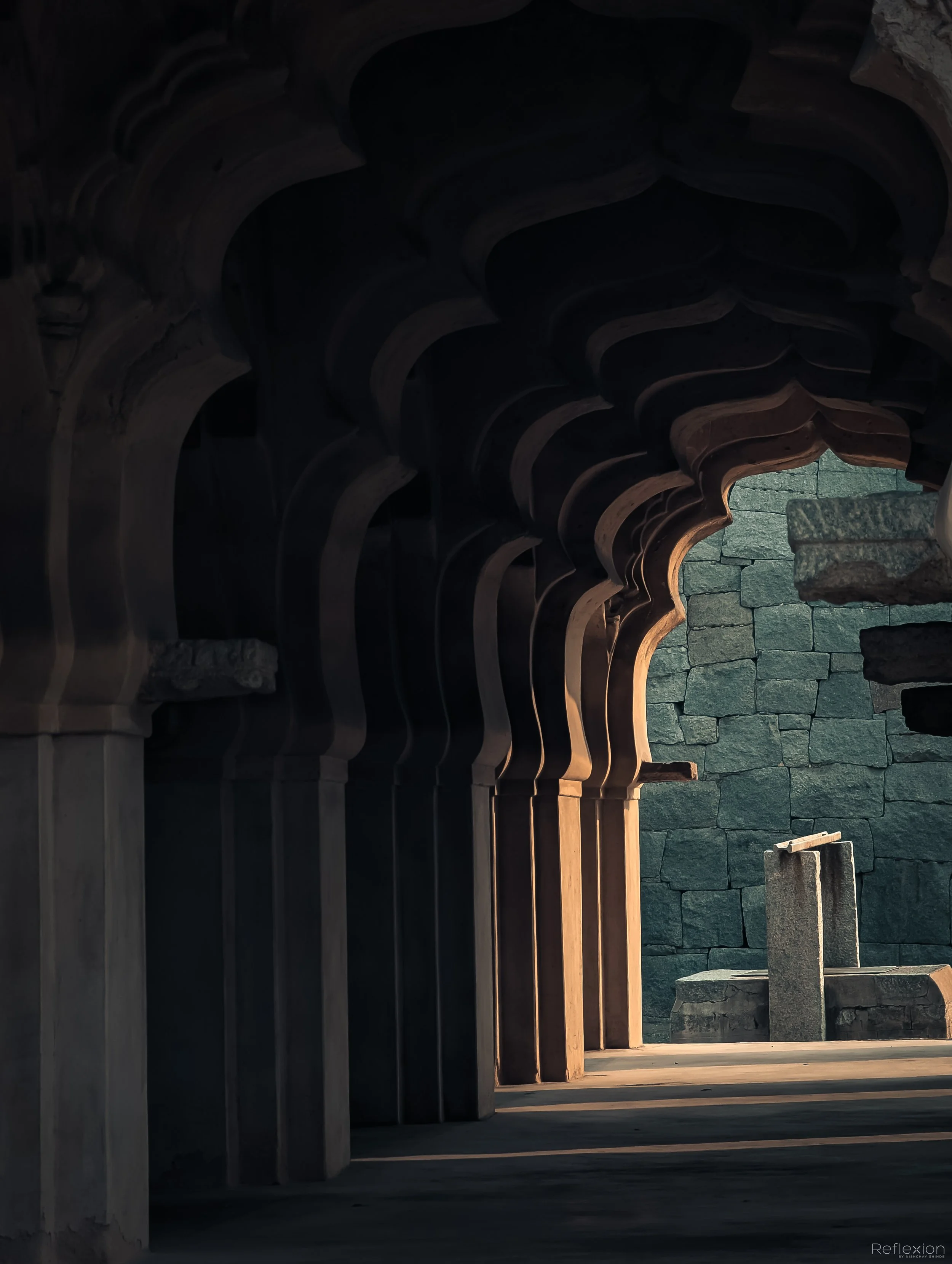
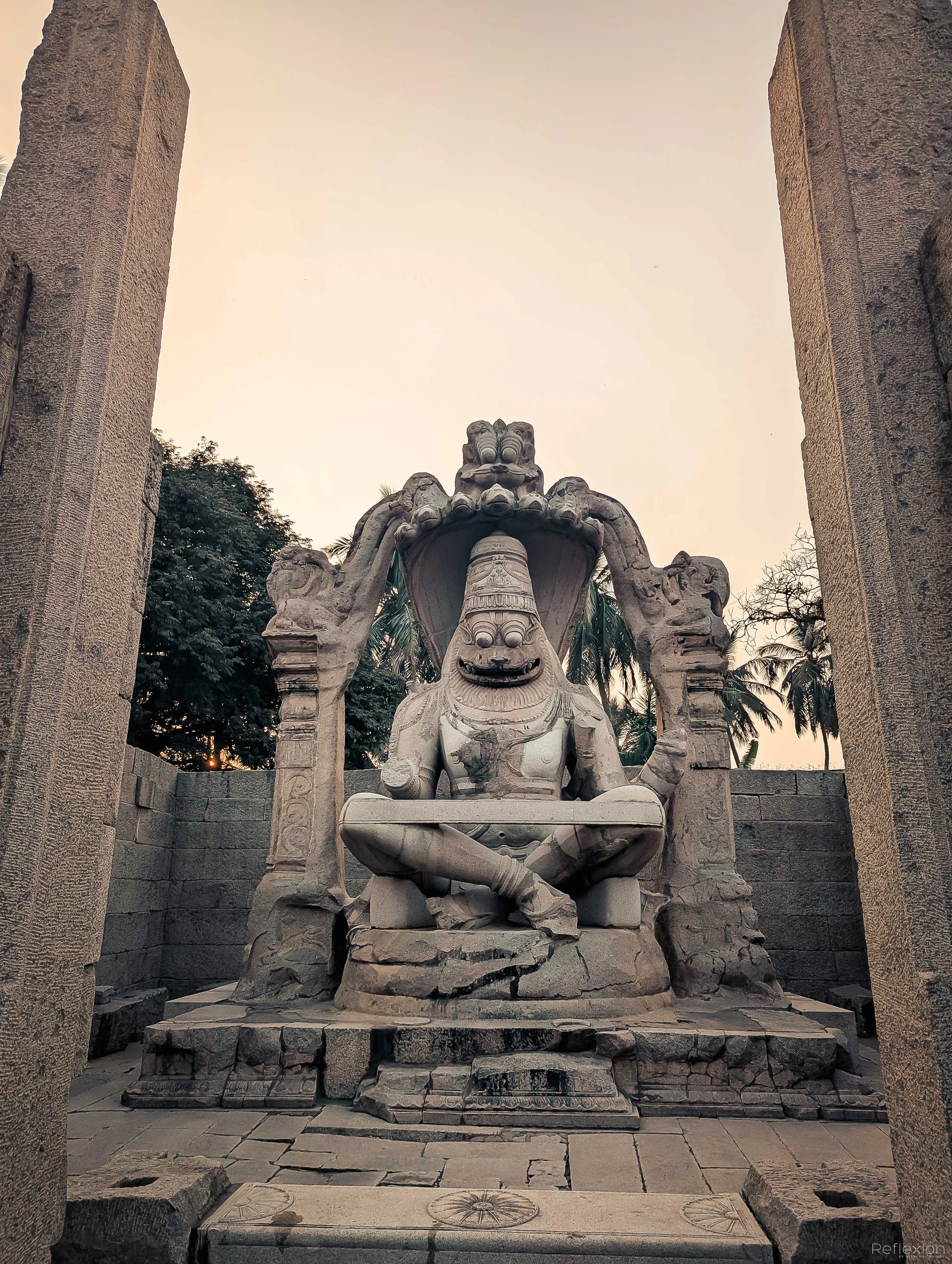
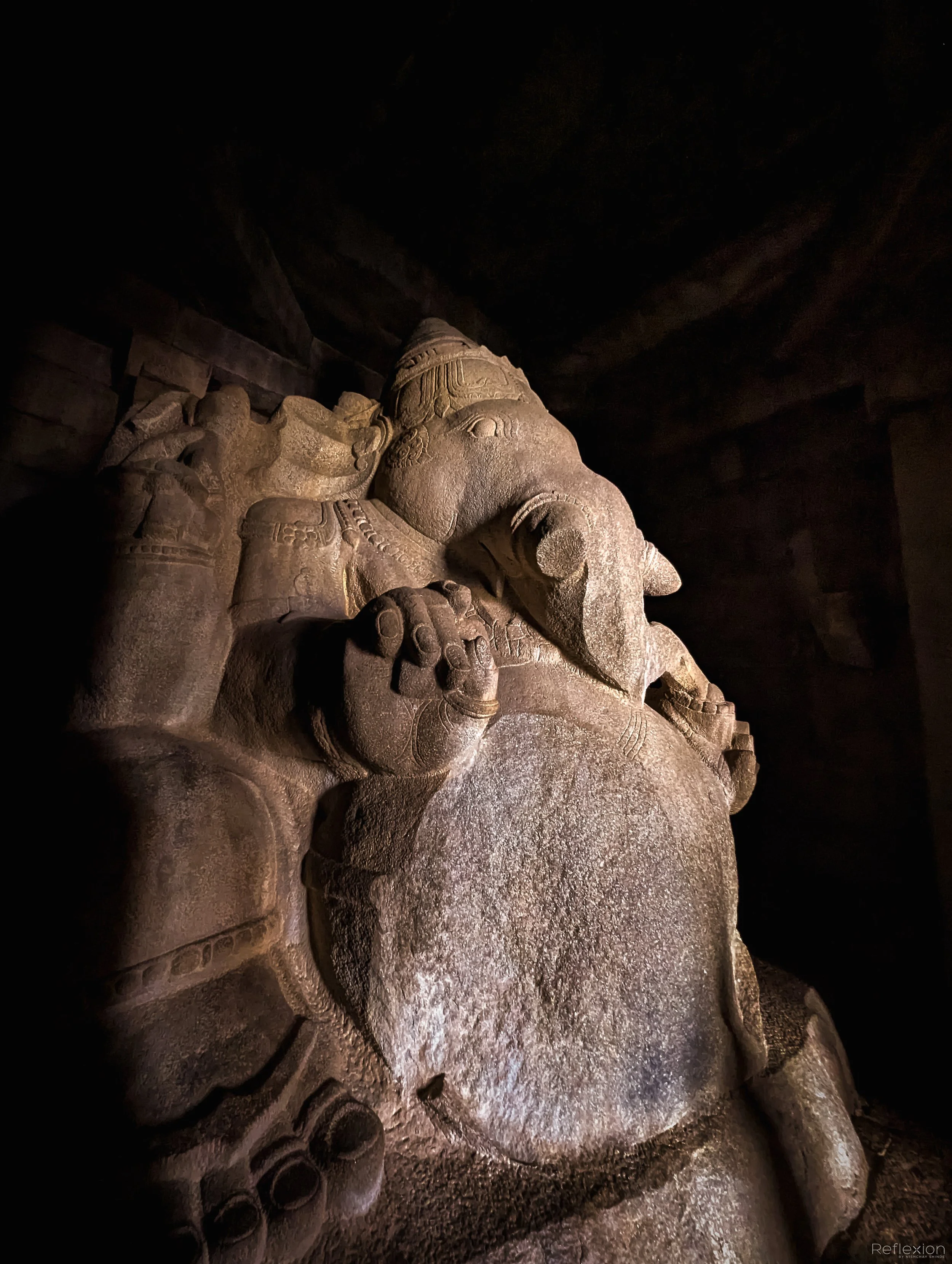
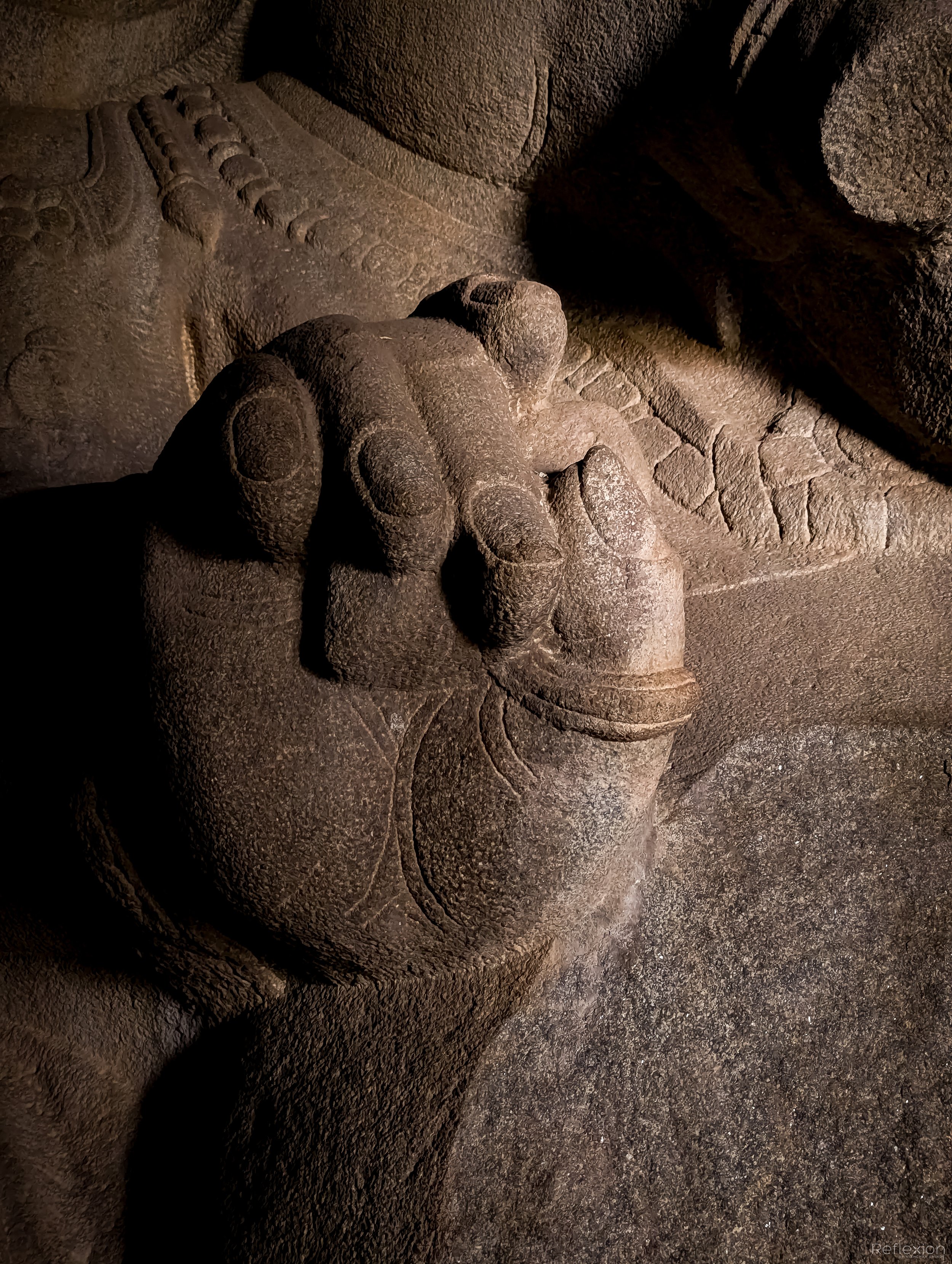
Inside the shrines, the air is thick with the scent of old stone and silence. In these high-contrast environments, I pushed the limits of the sensor to preserve the mystery. The resulting images lean into a cinematic, moody atmosphere, highlighting the monumental scale of the deities carved from single monoliths.
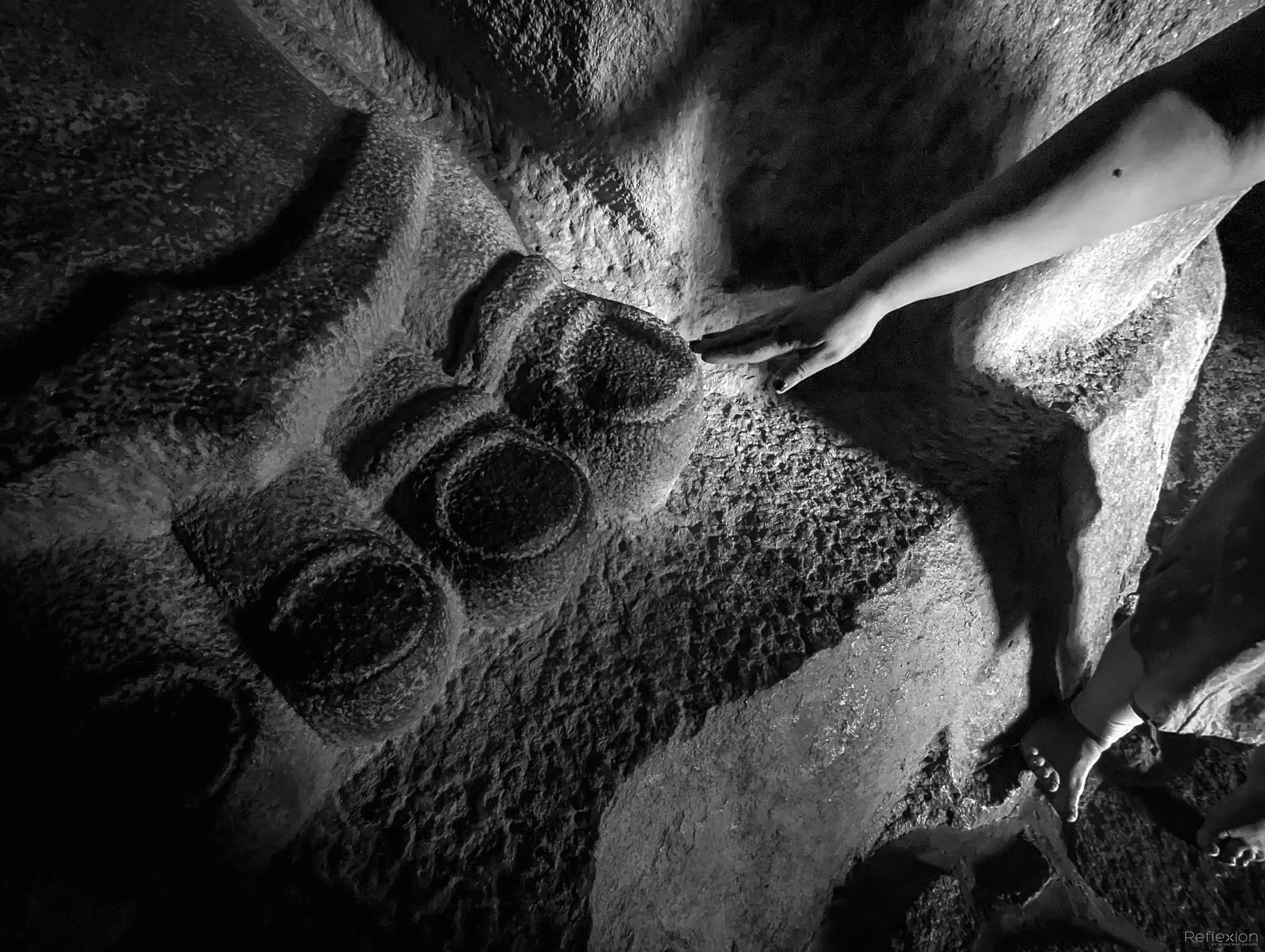
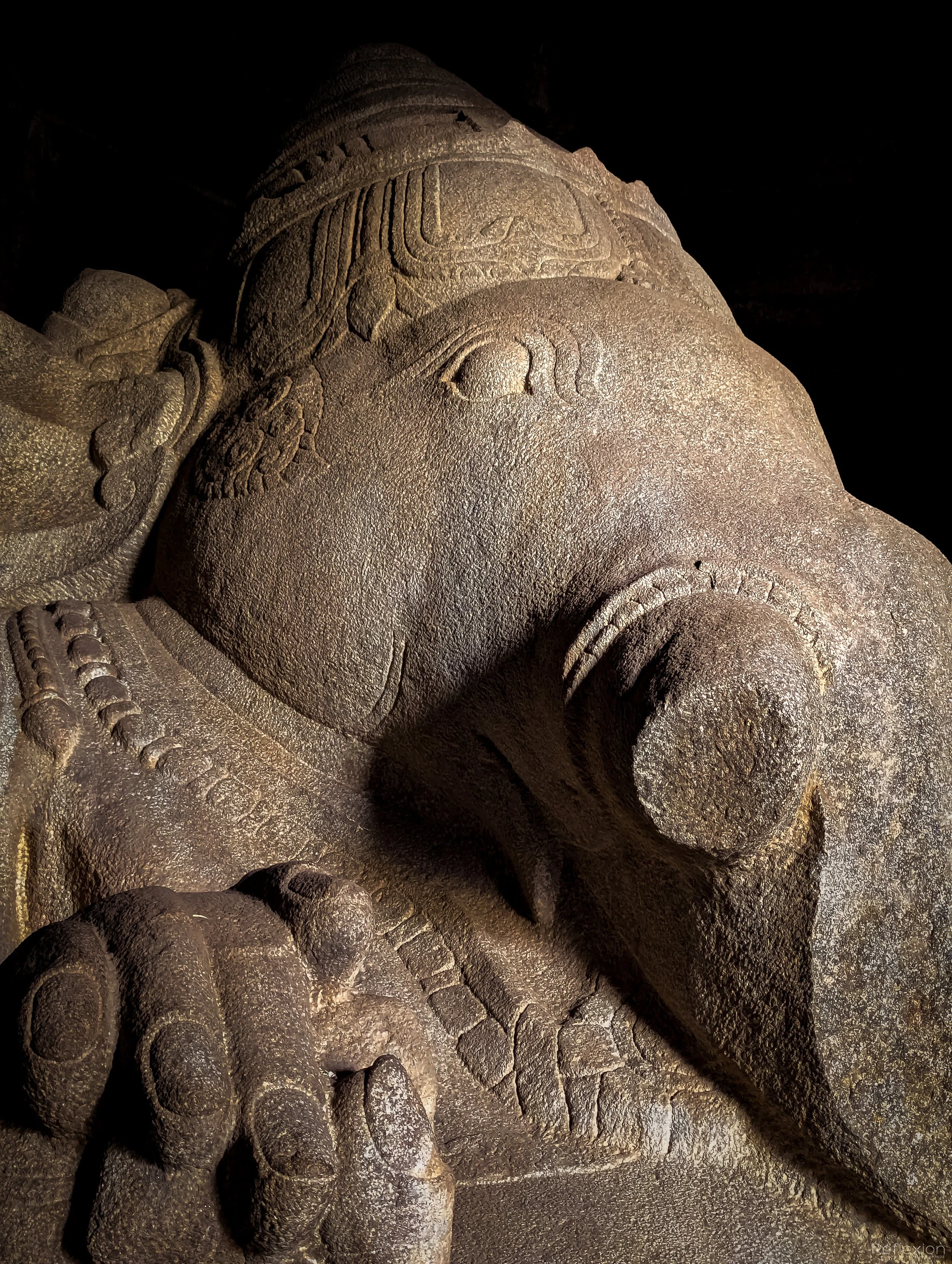
3. Engineering Marvels
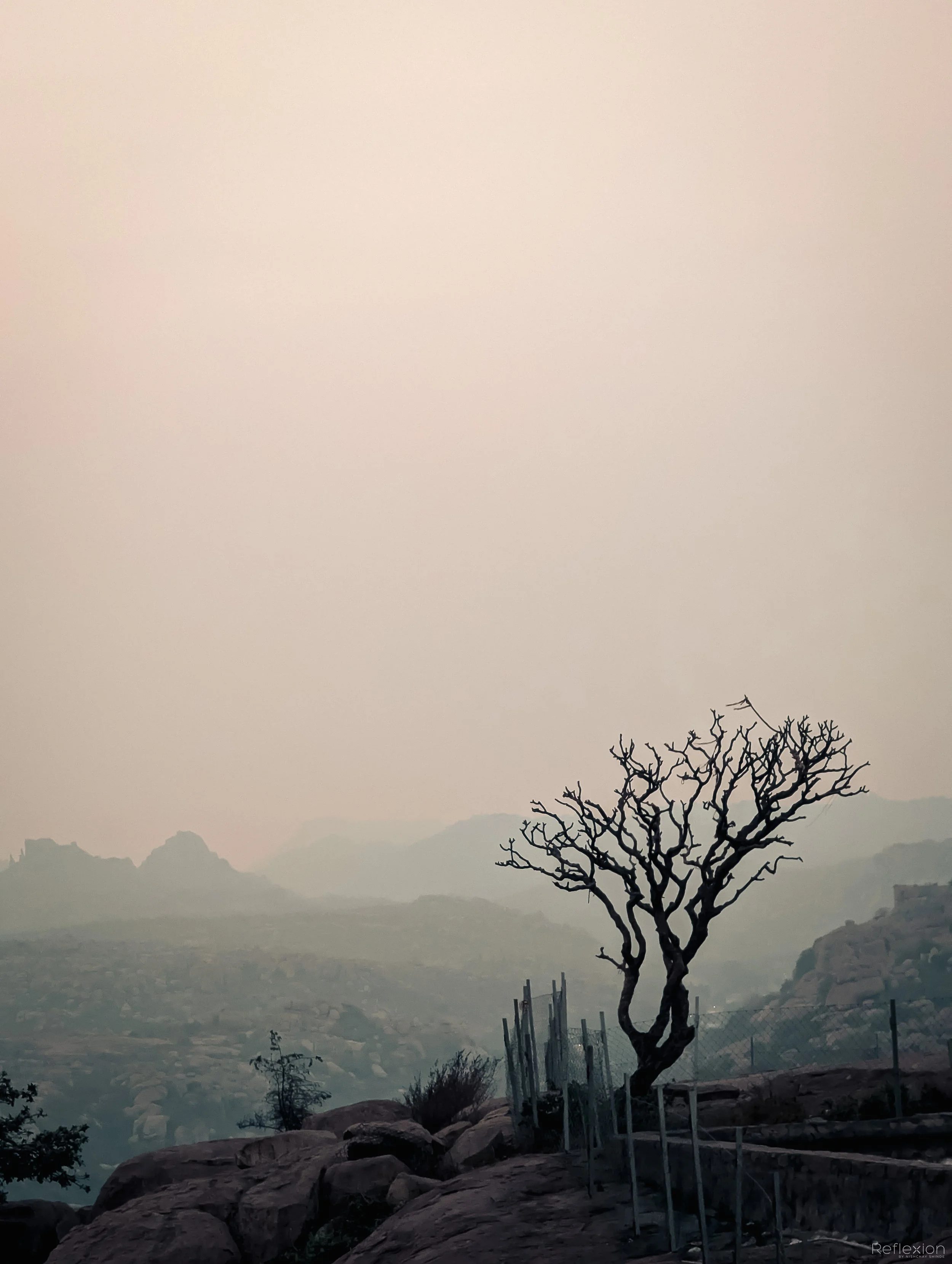
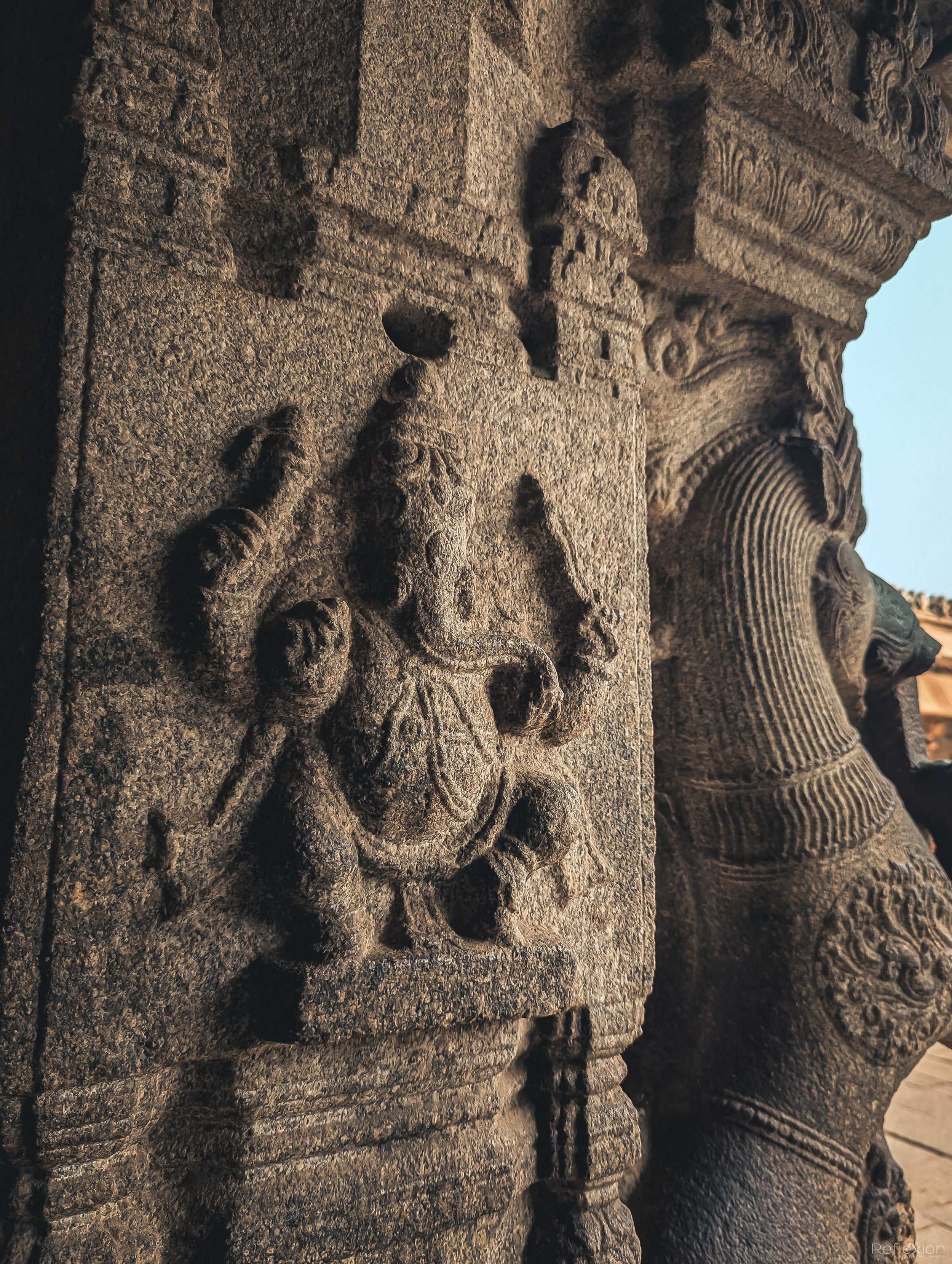
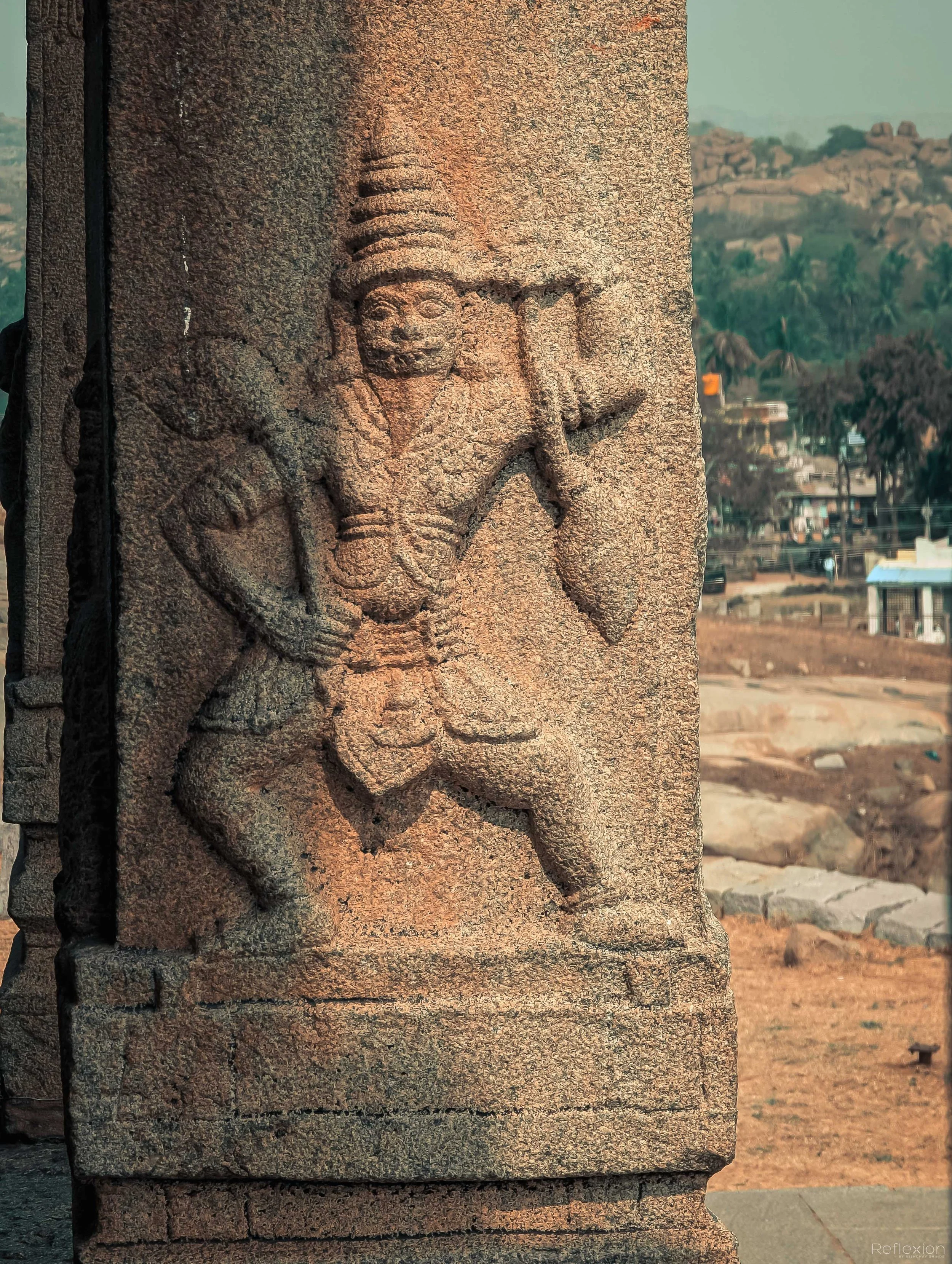
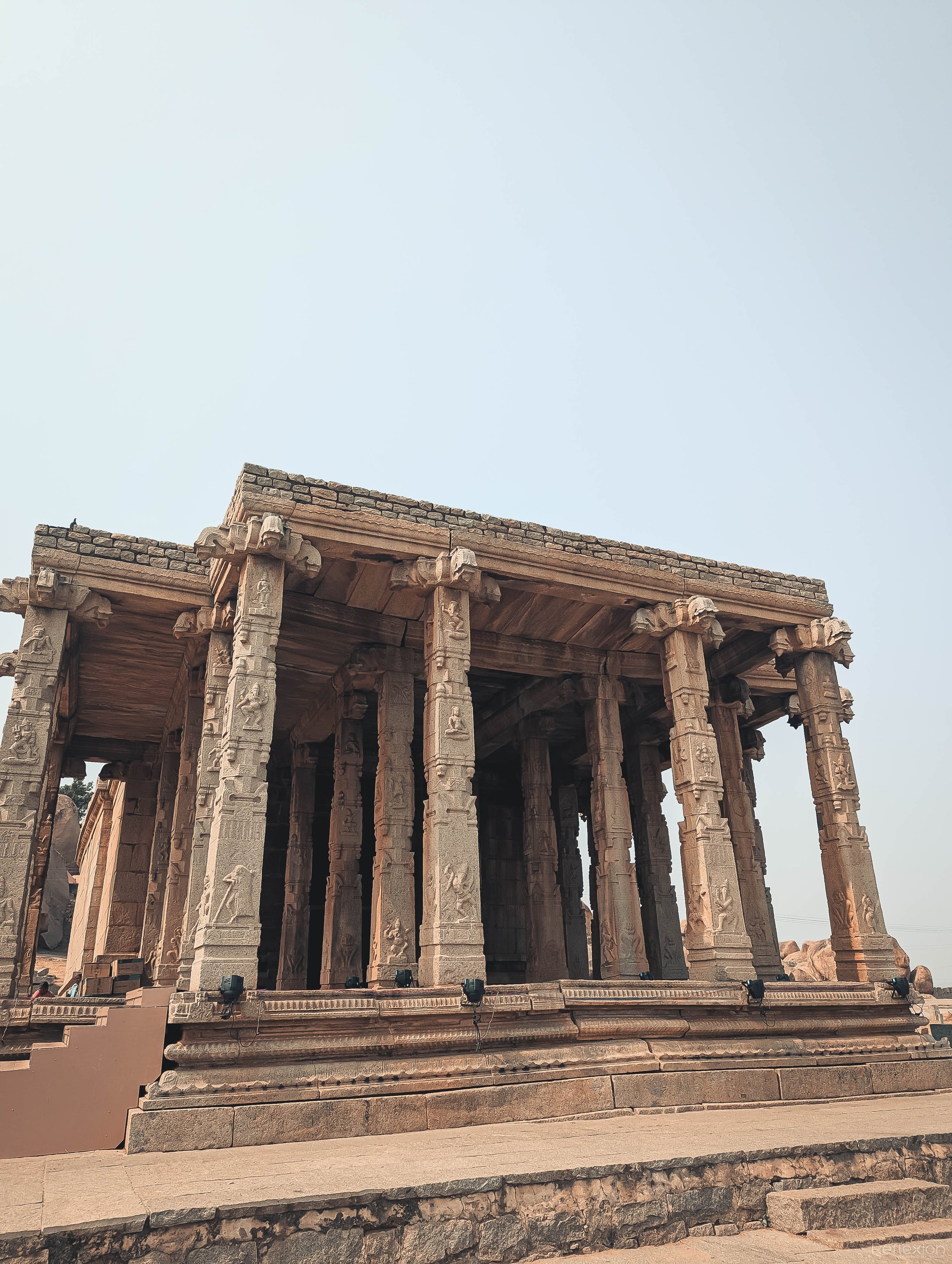
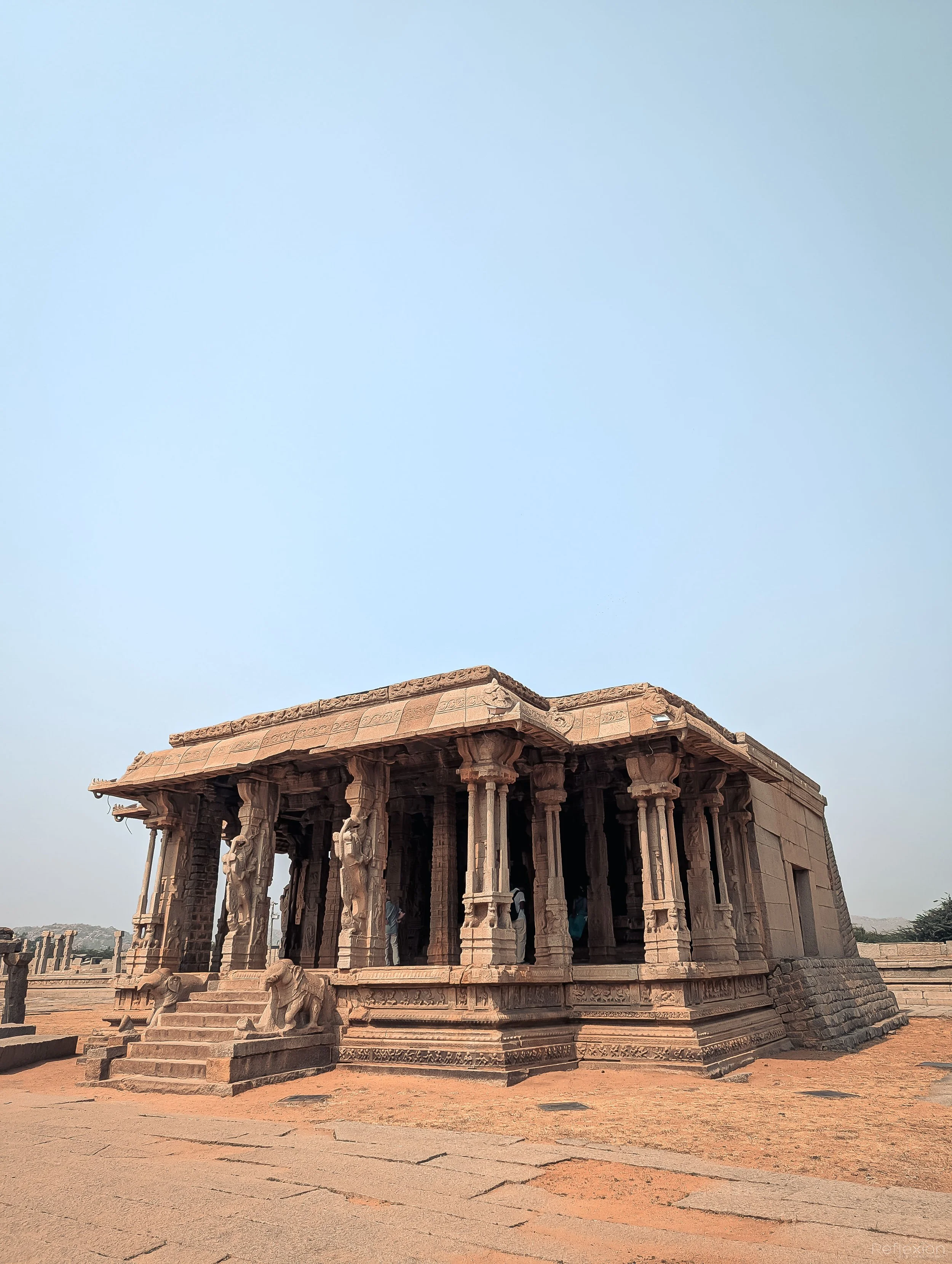
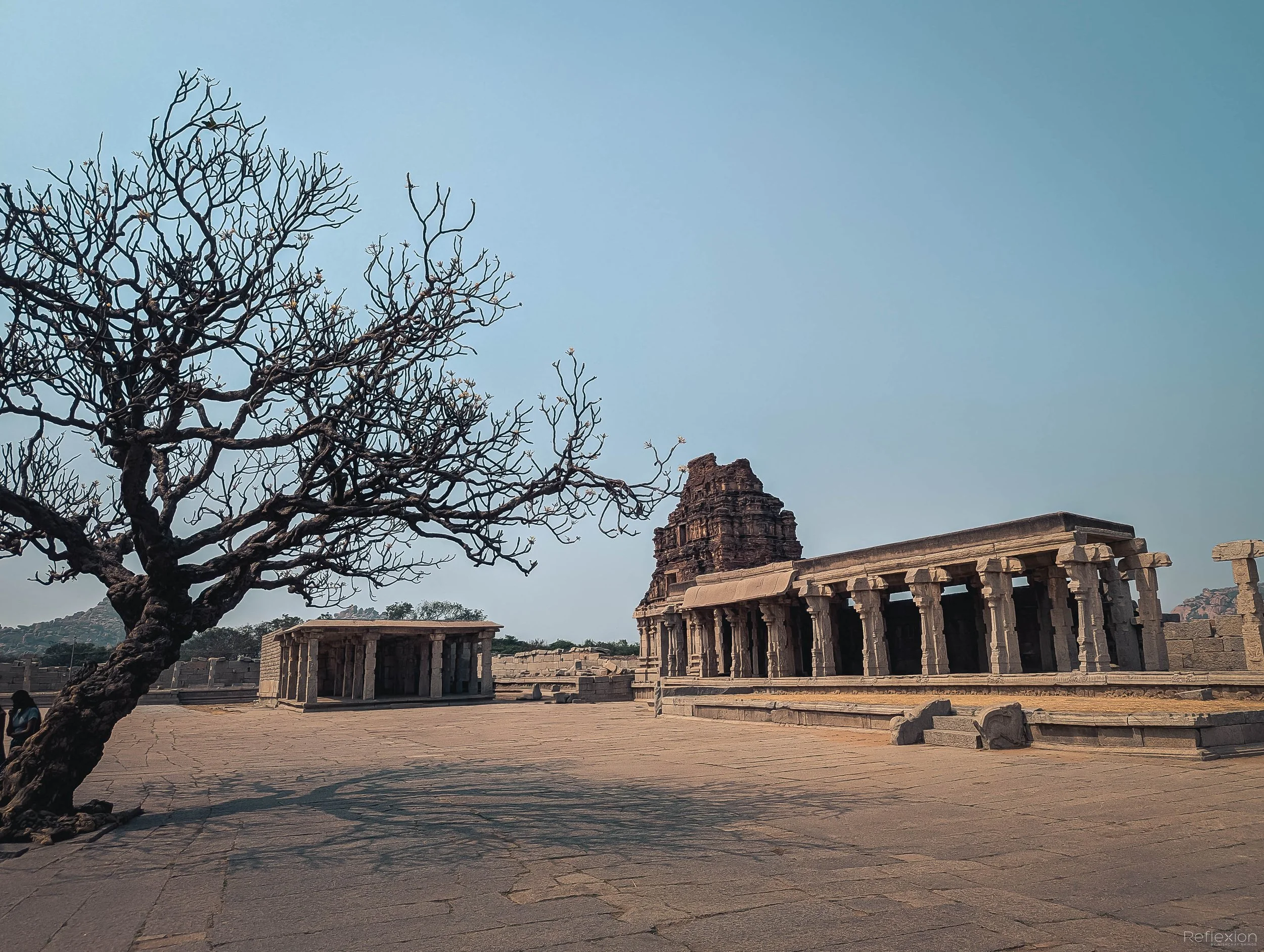
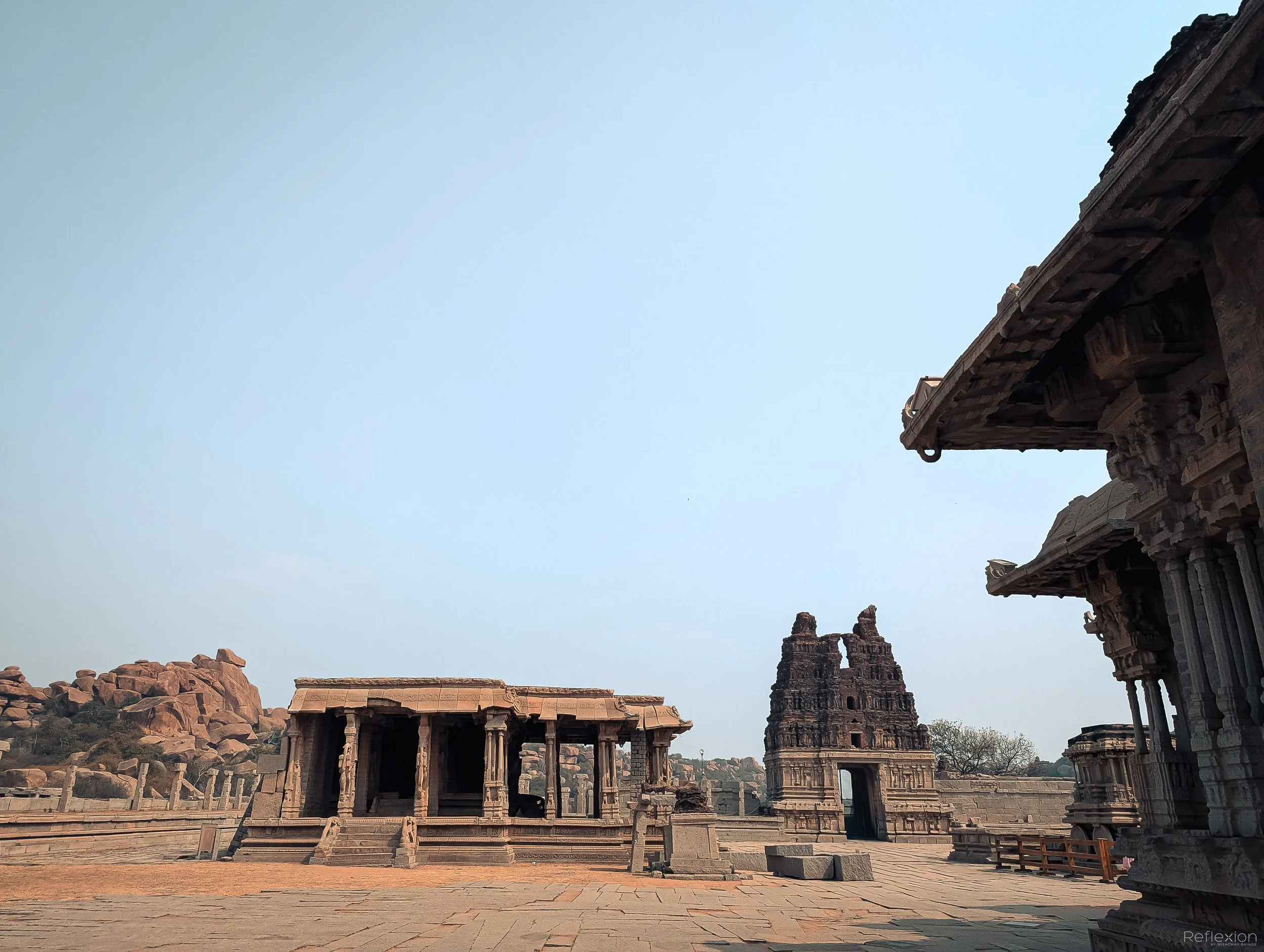
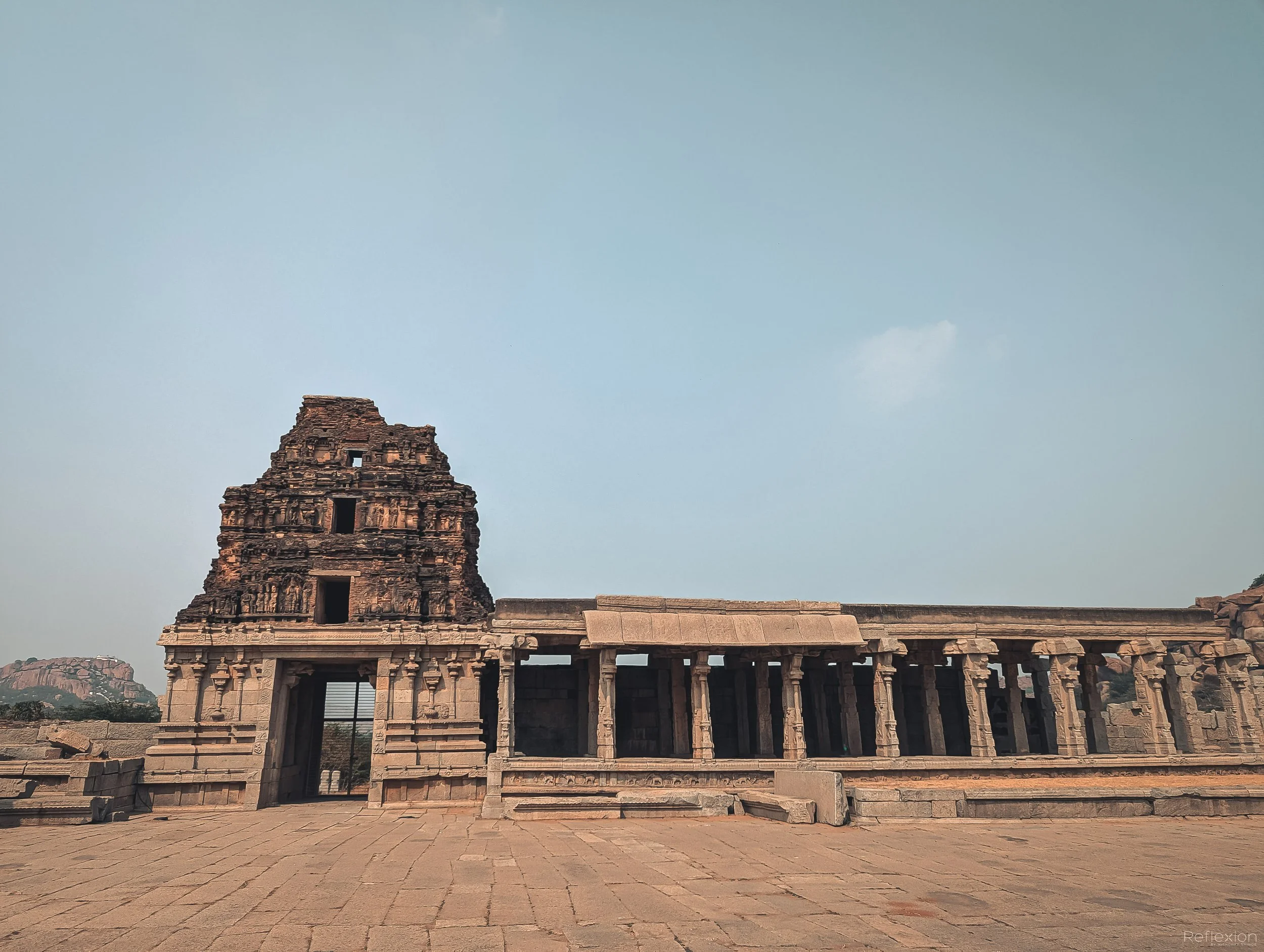
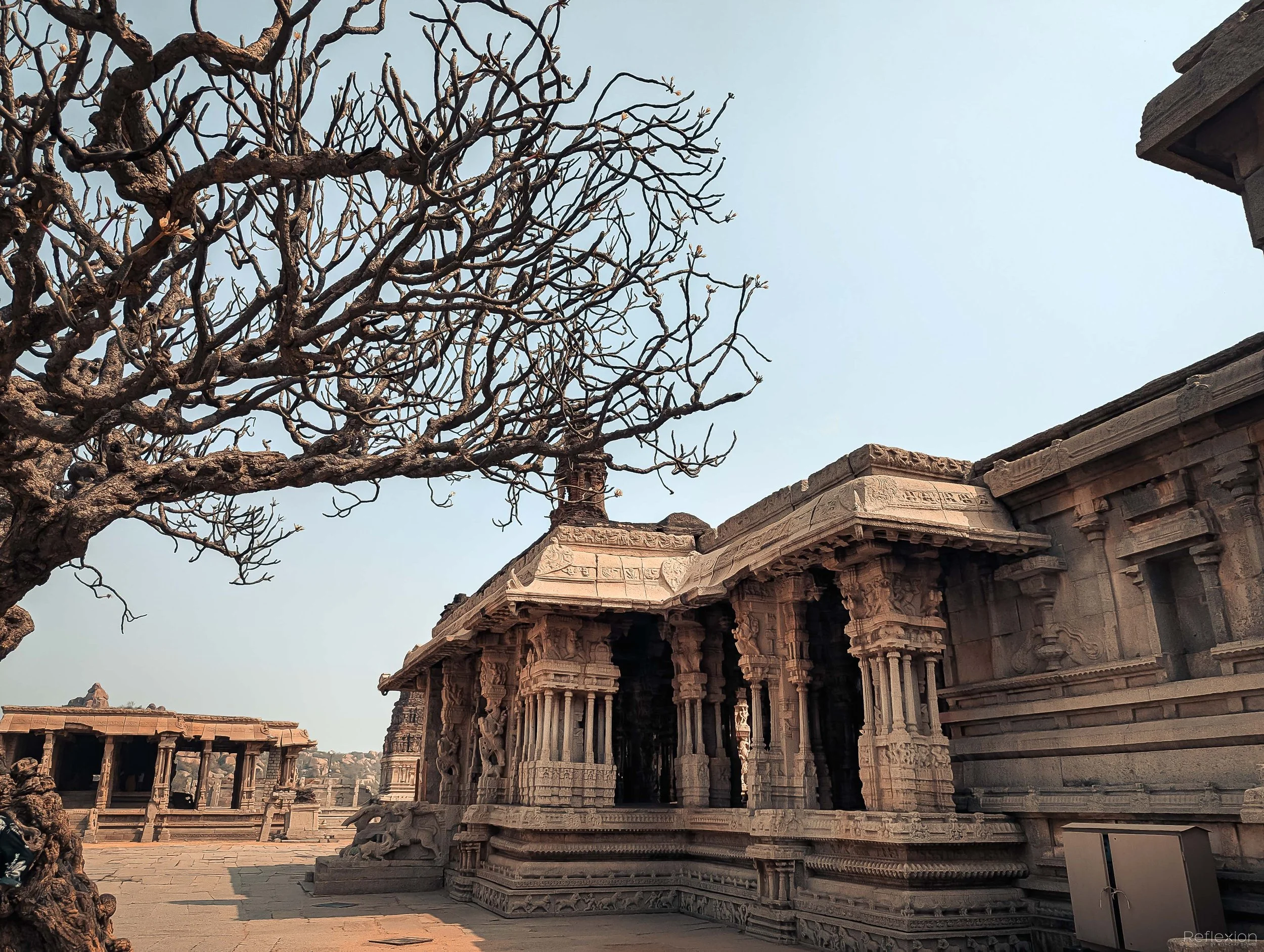
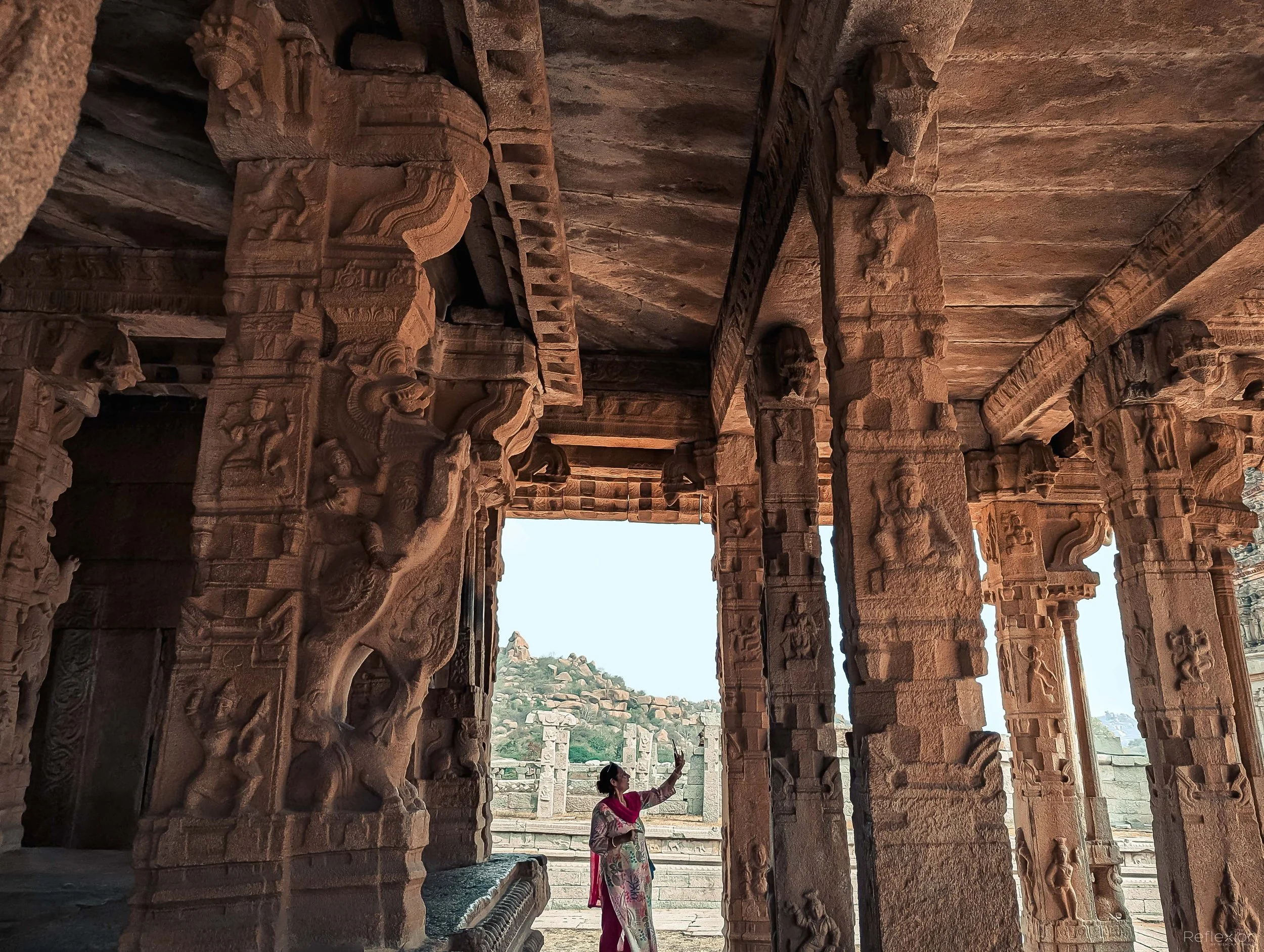
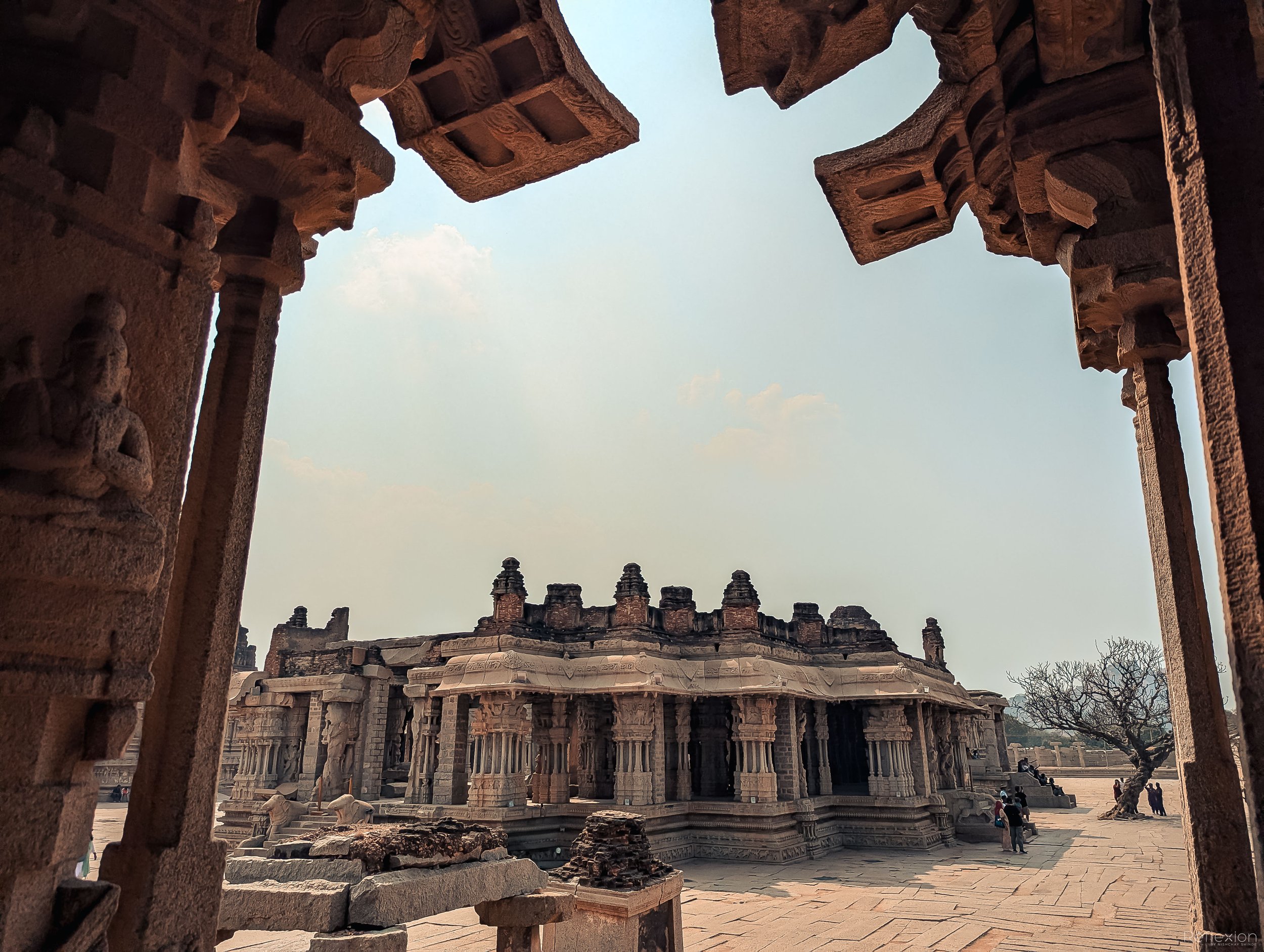
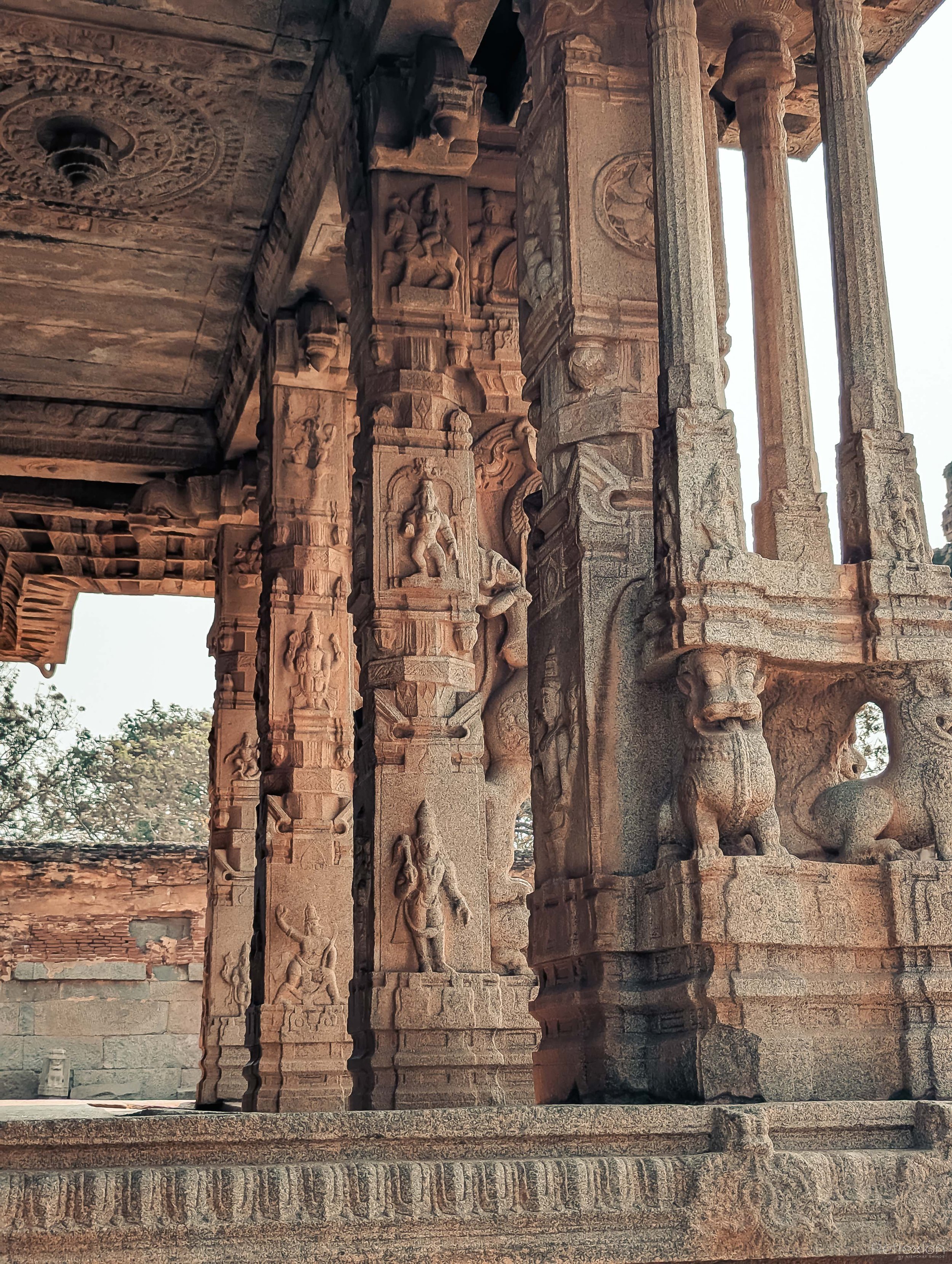
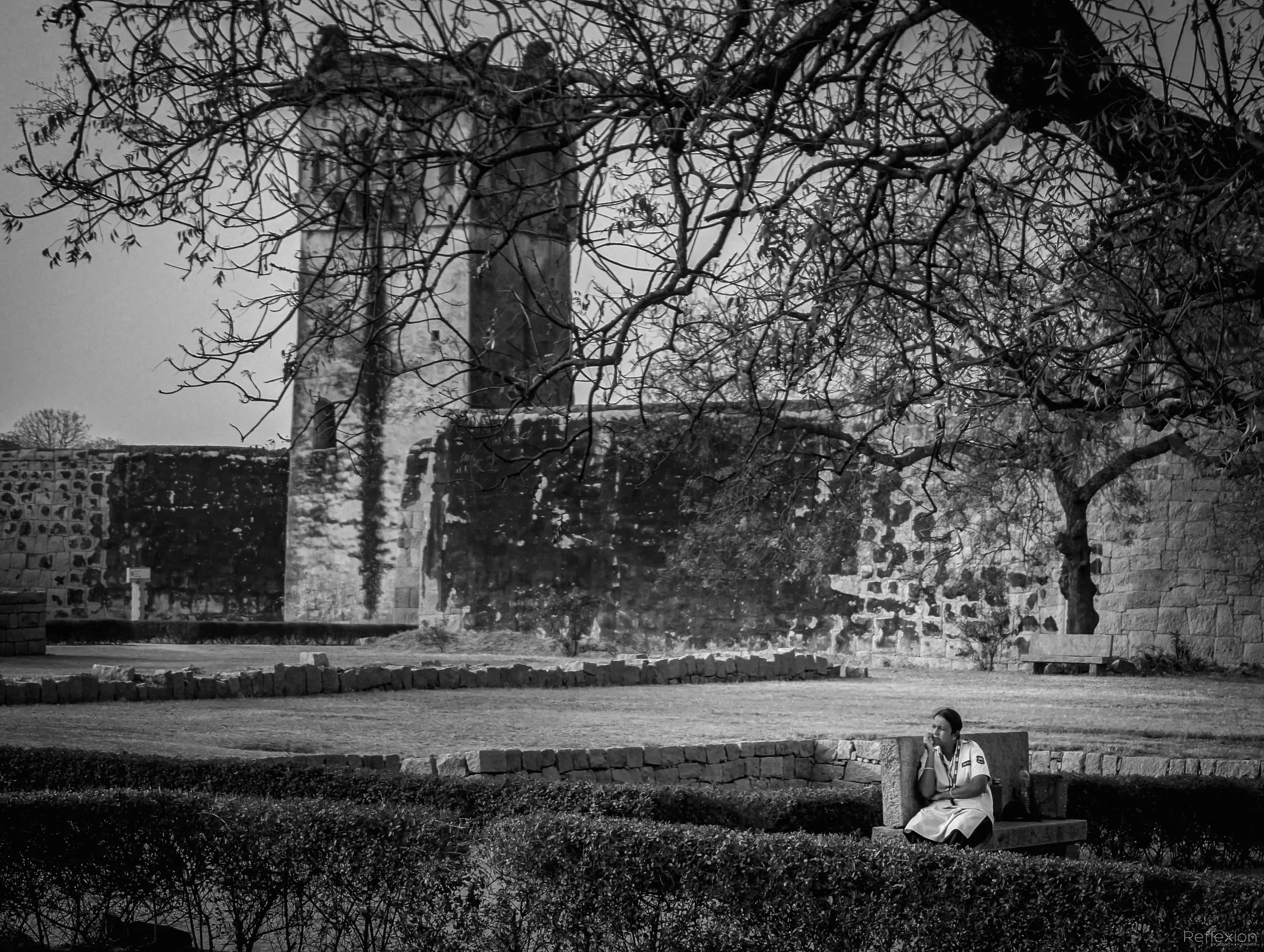
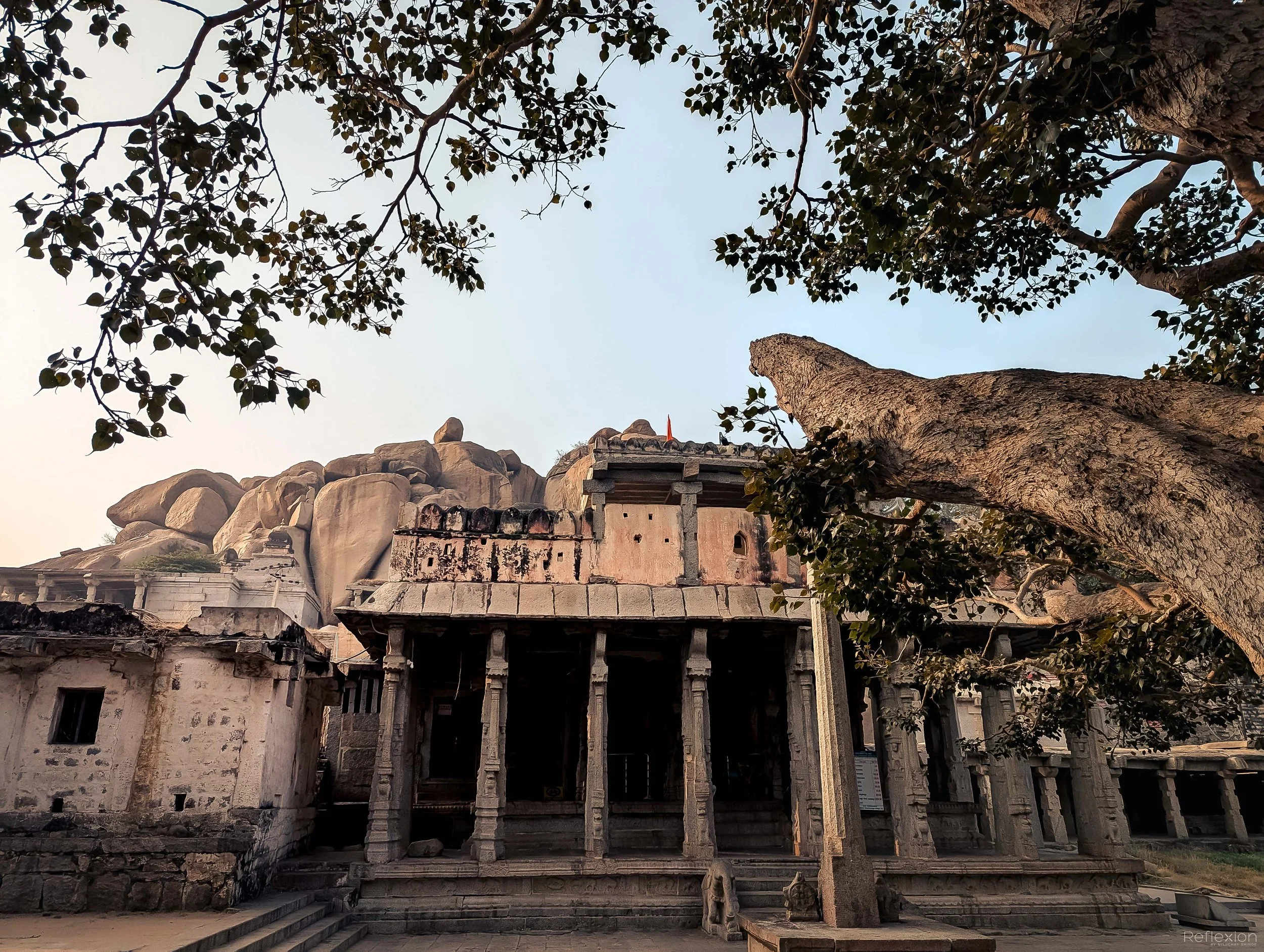
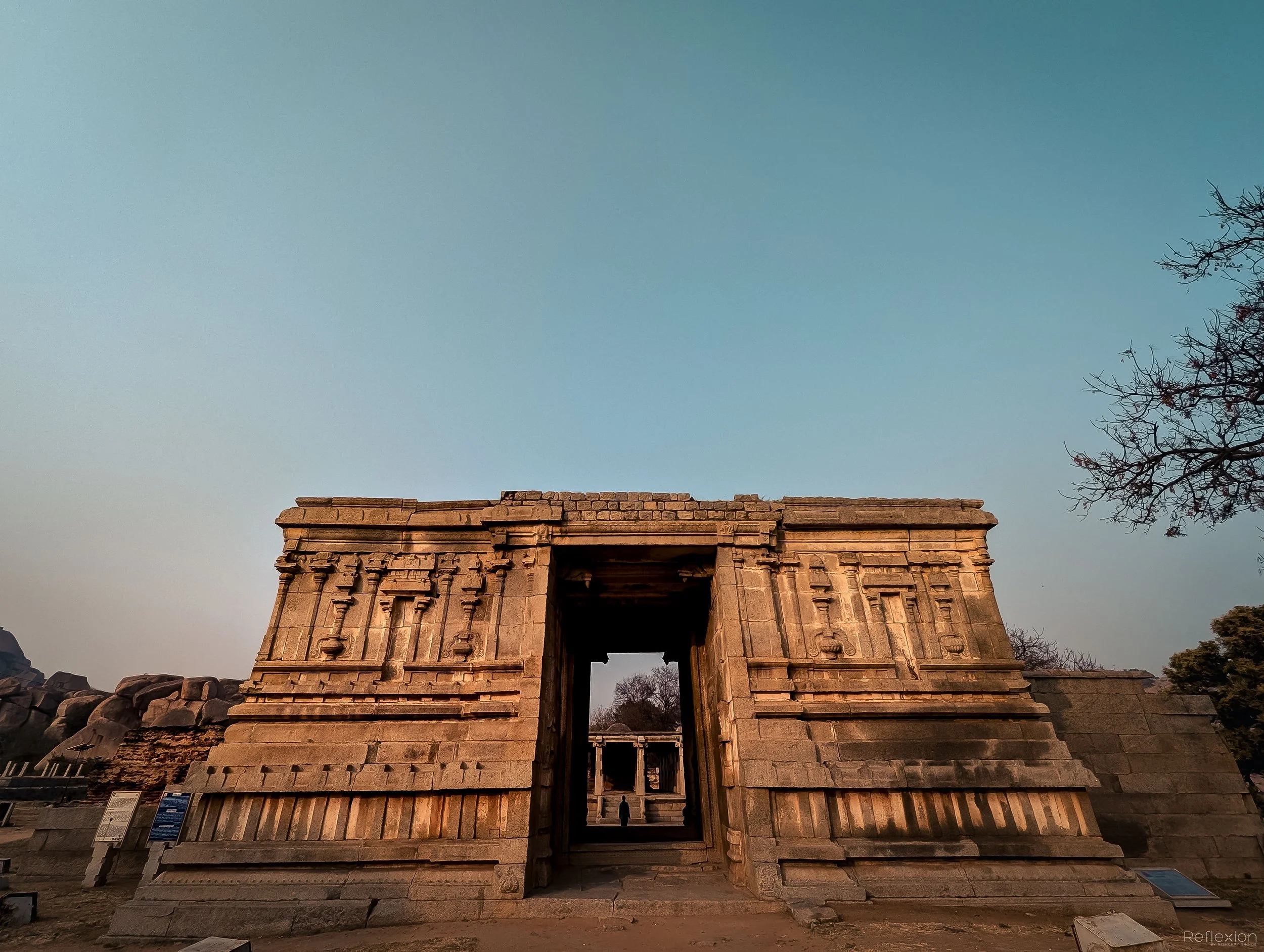
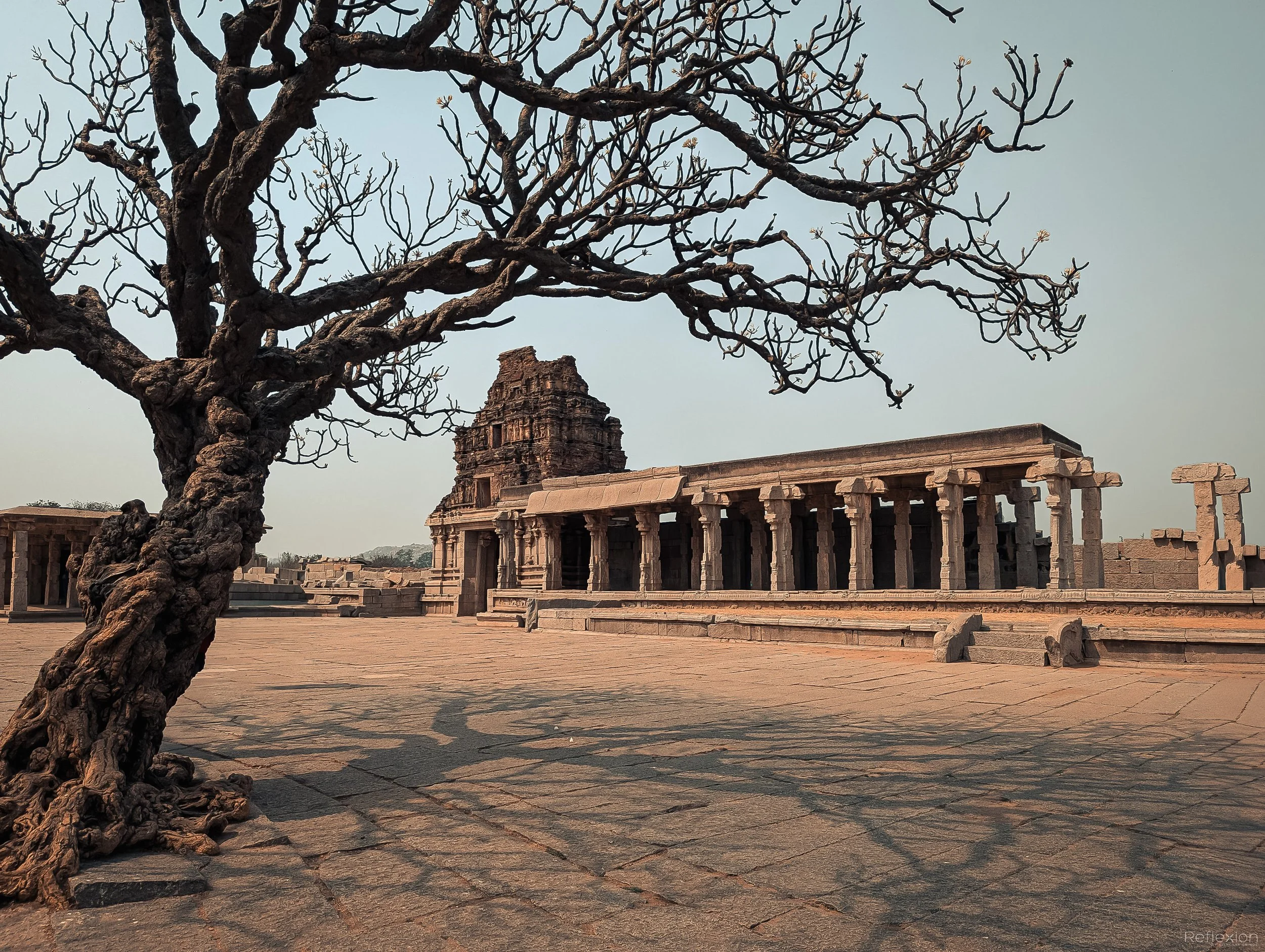
The architects of the 14th century didn’t just build; they engineered wonders. From the iconic Stone Chariot to the pillars that frame the skeletal trees of the landscape, there is a precision here that defies time. I was particularly struck by the contrast between the chaotic, organic lines of the ancient trees (local legend says some have stood since antiquity) and the sharp, geometric perfection of the temple walls.
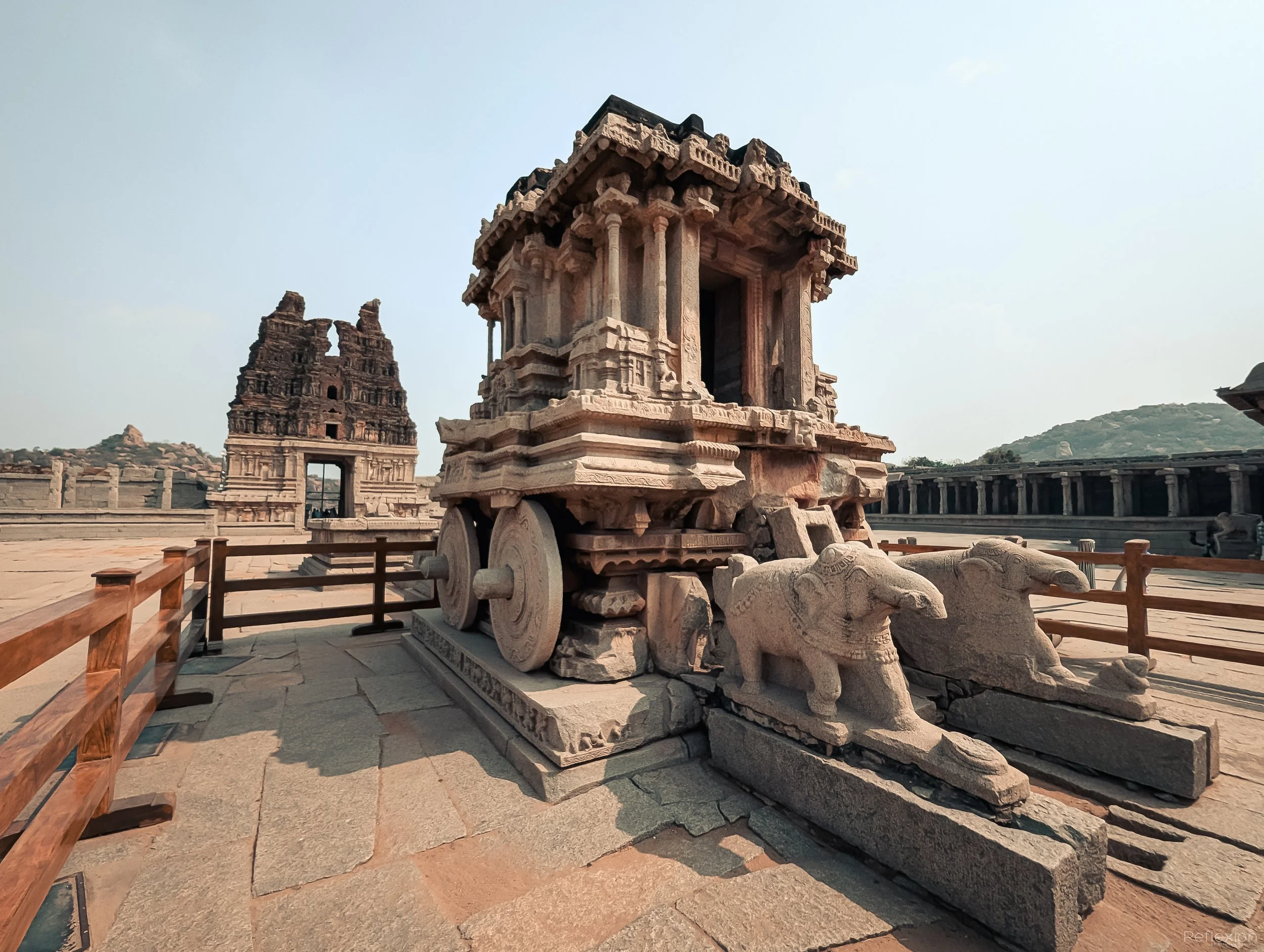
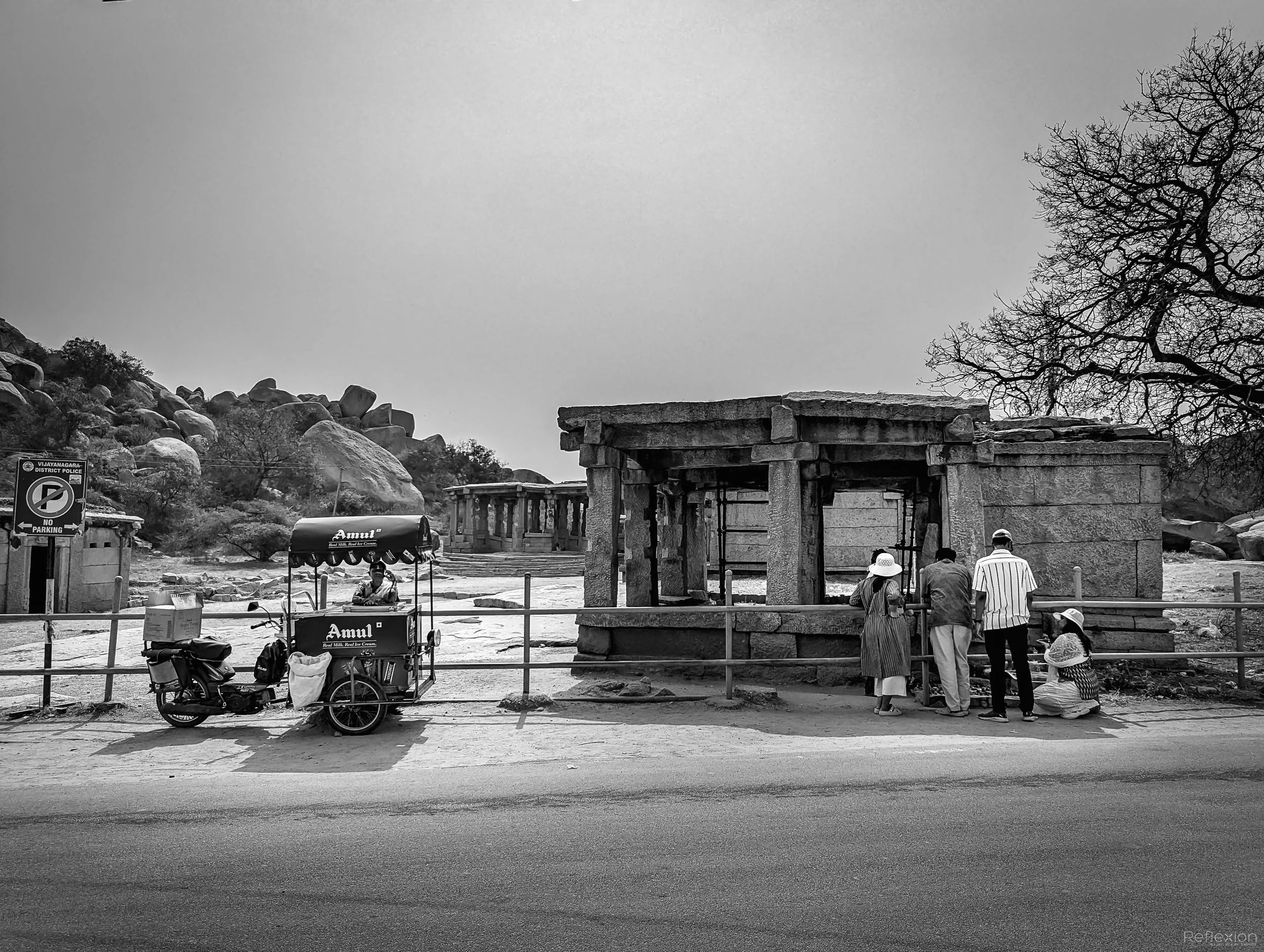
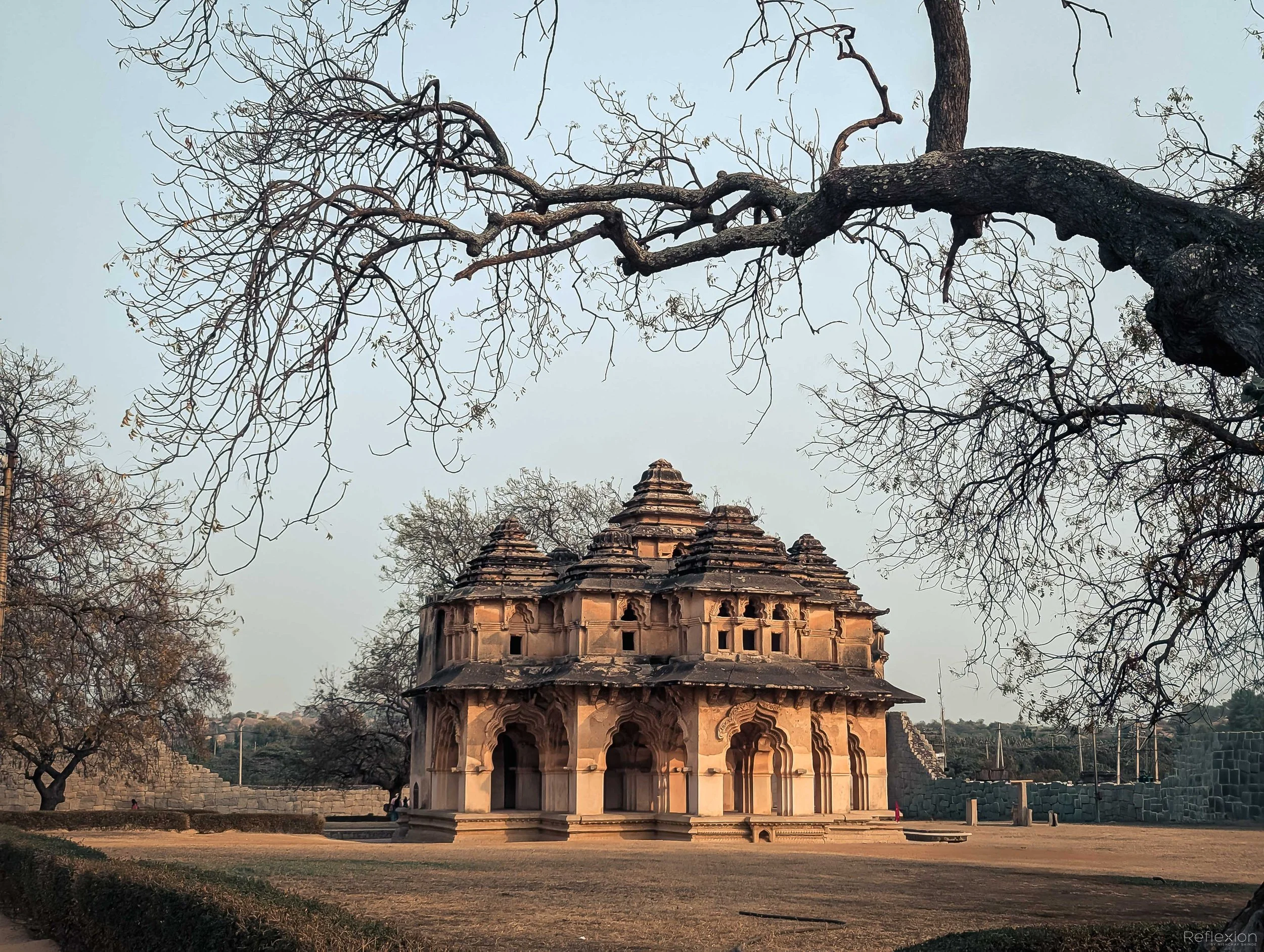
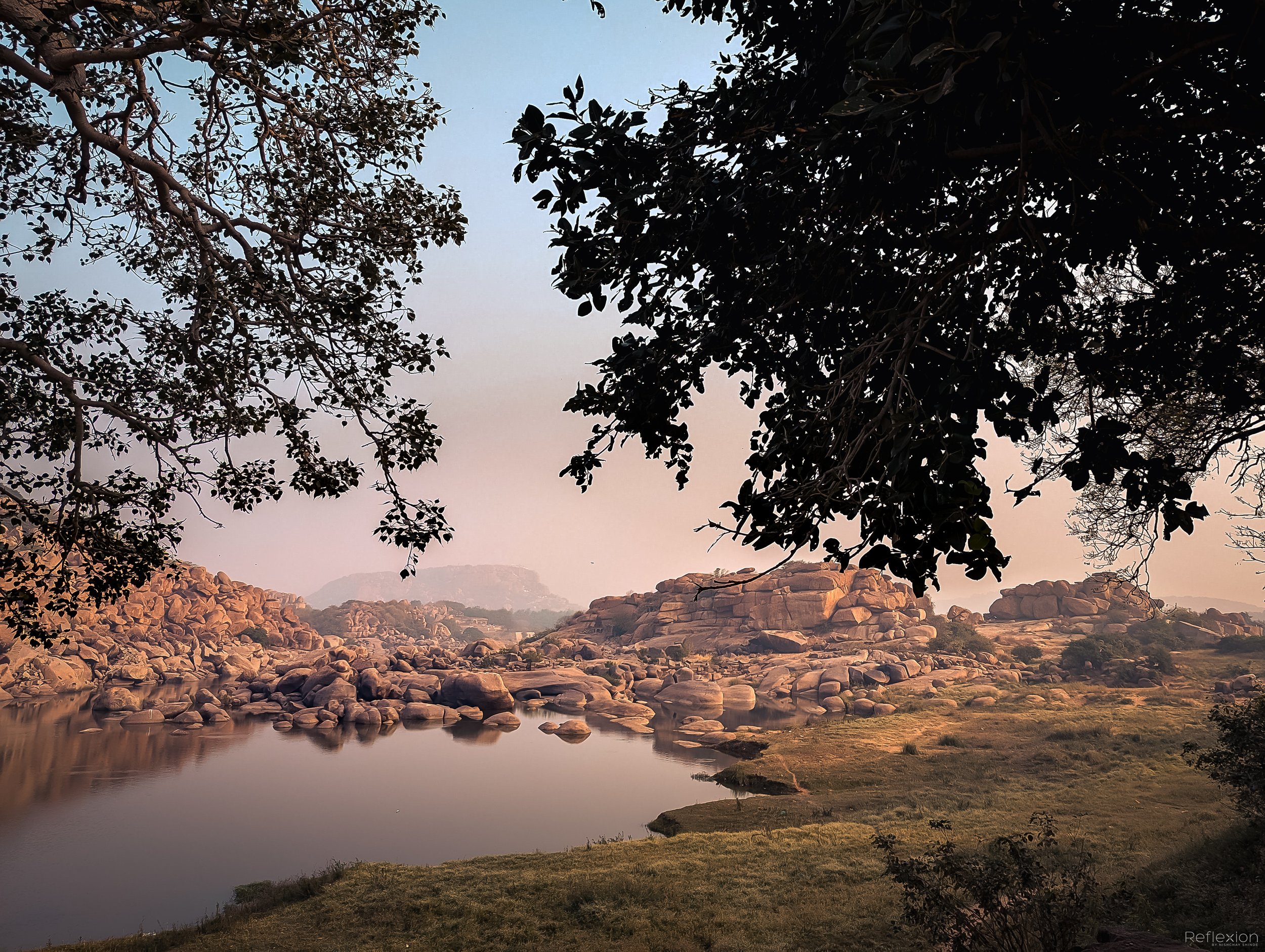
Organic vs. Ornate: One of my favorite perspectives was framing the stone structures through the twisted, bare branches of the local trees . The contrast between the chaotic, organic lines of the wood and the precise, geometric carvings of the stone is a highlight of this series.
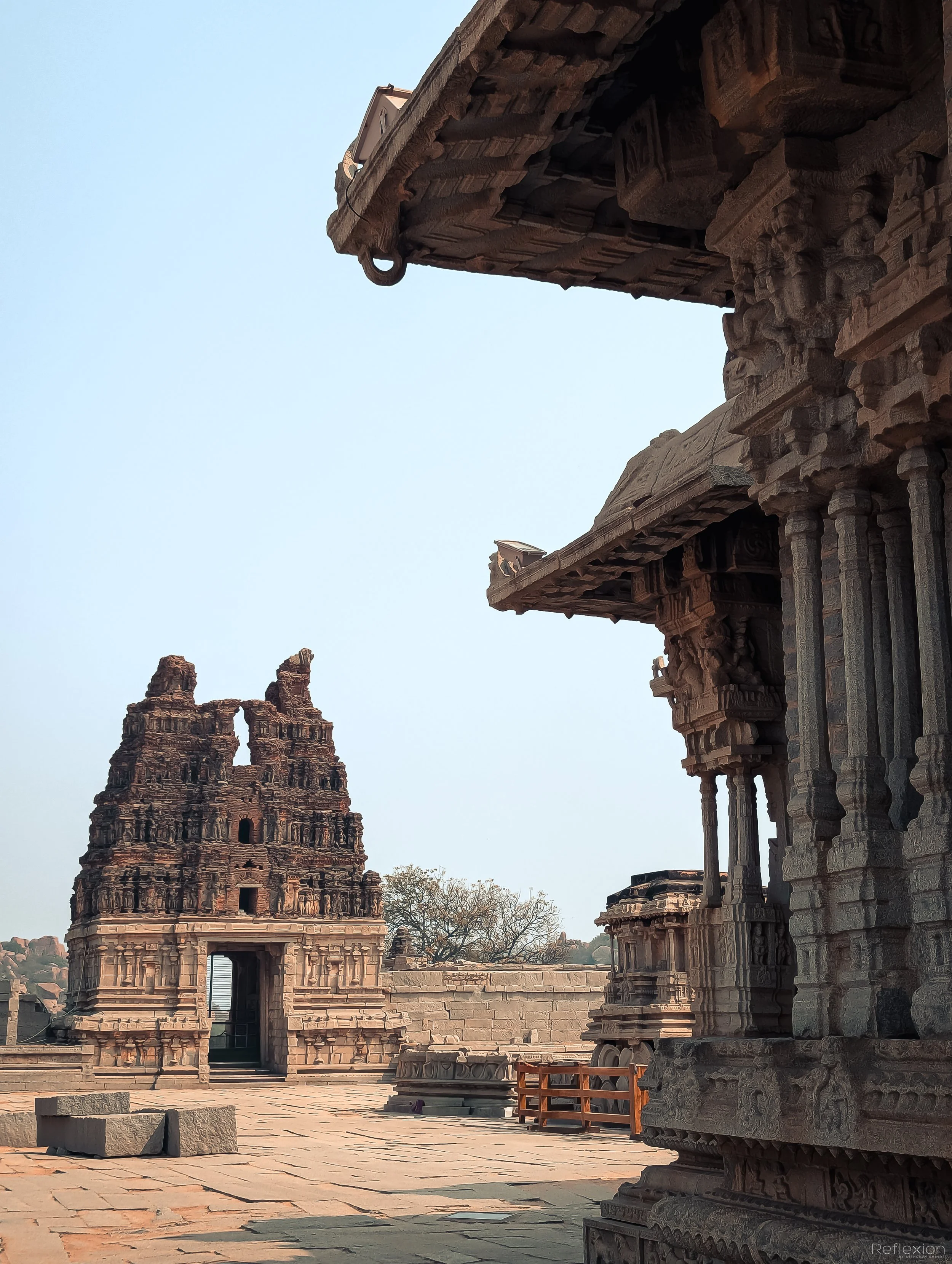
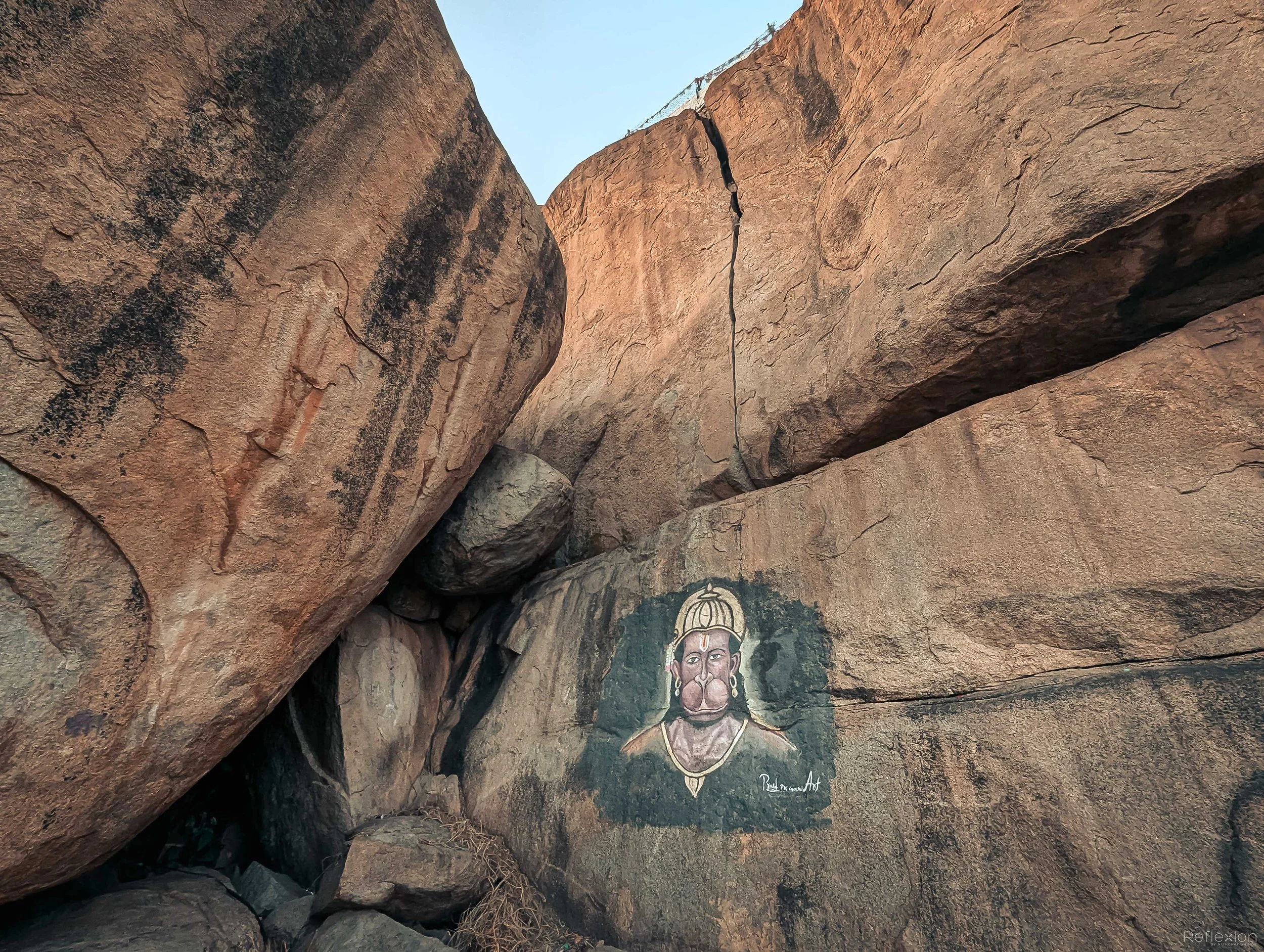
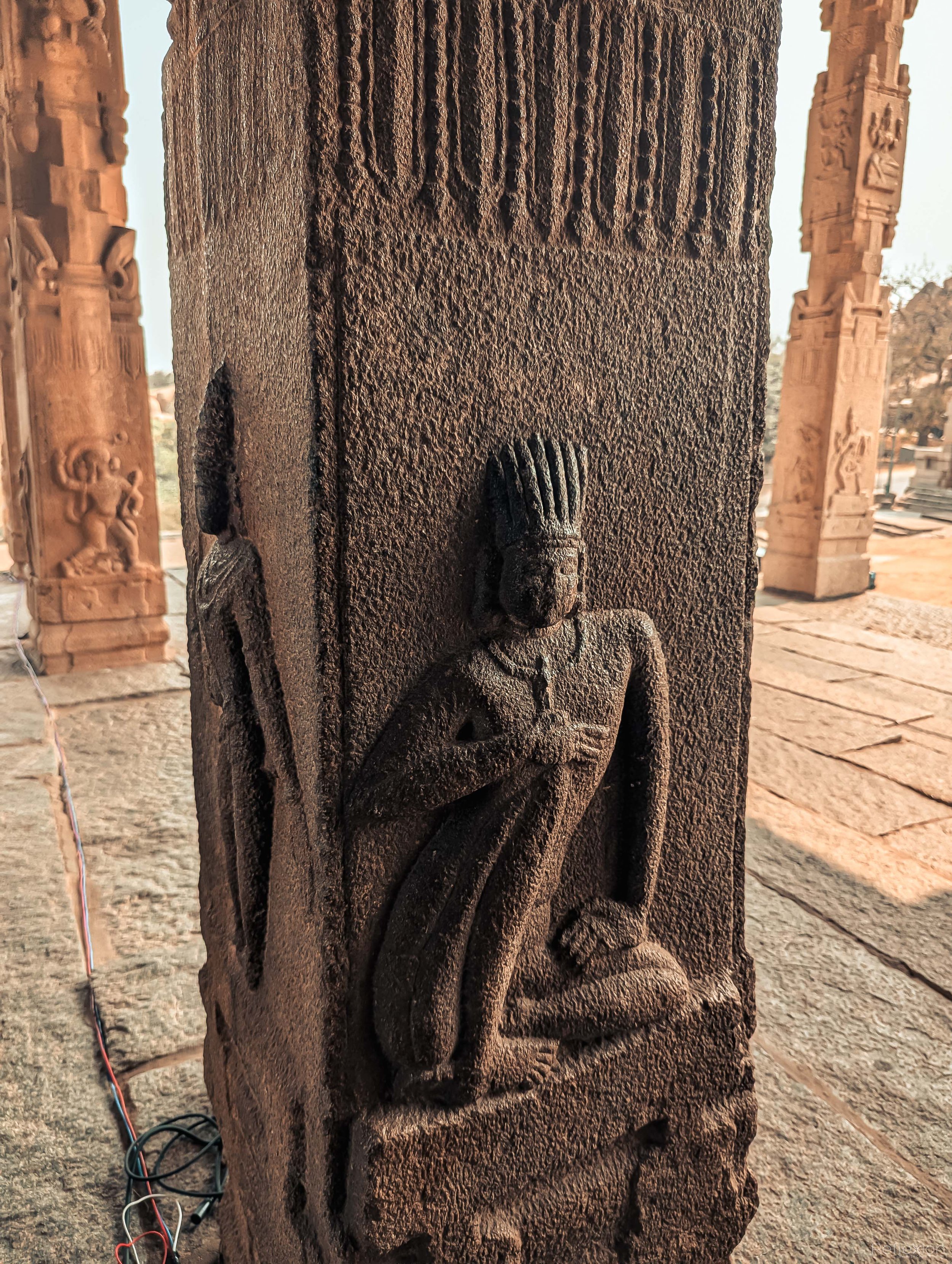
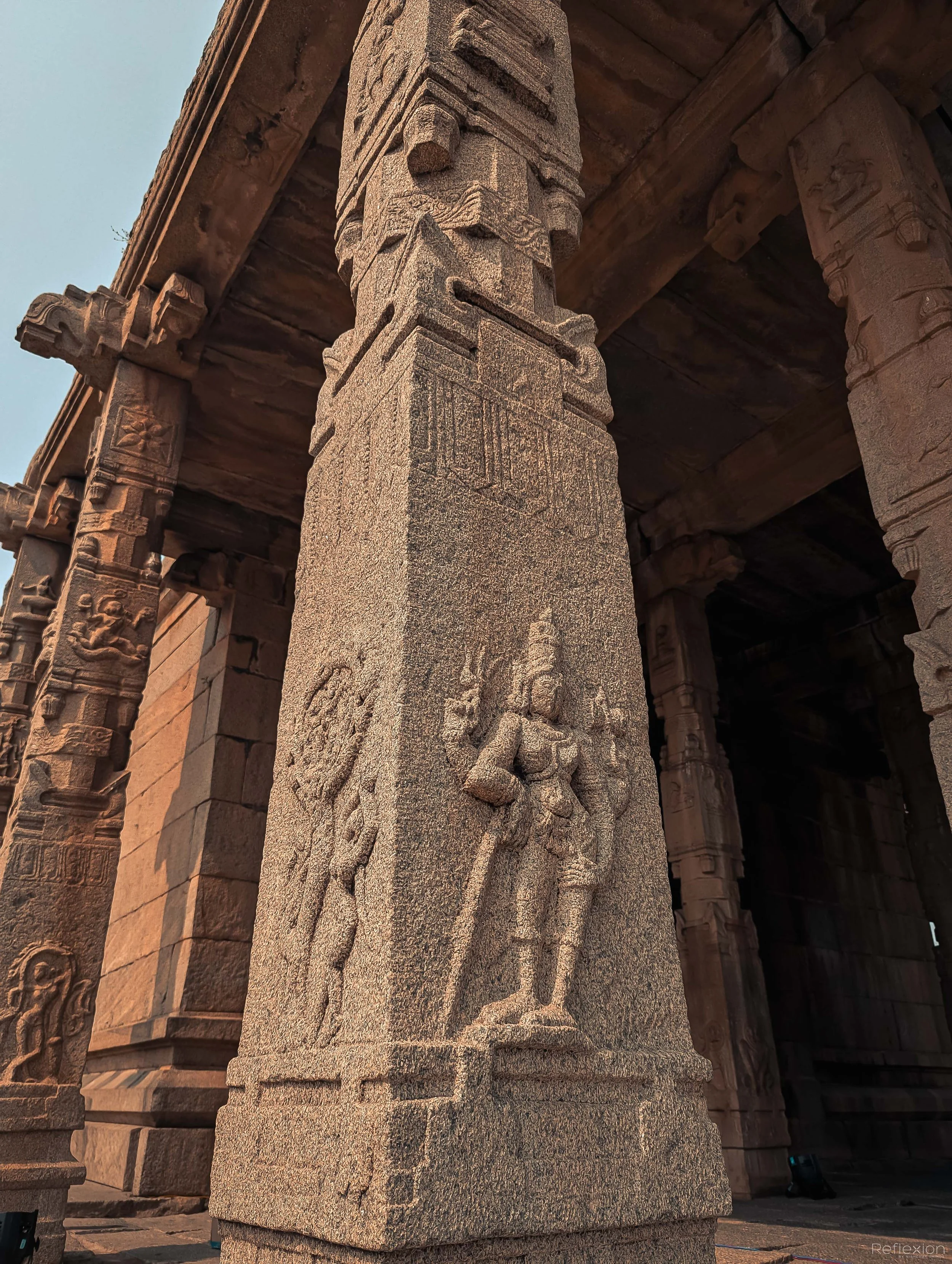
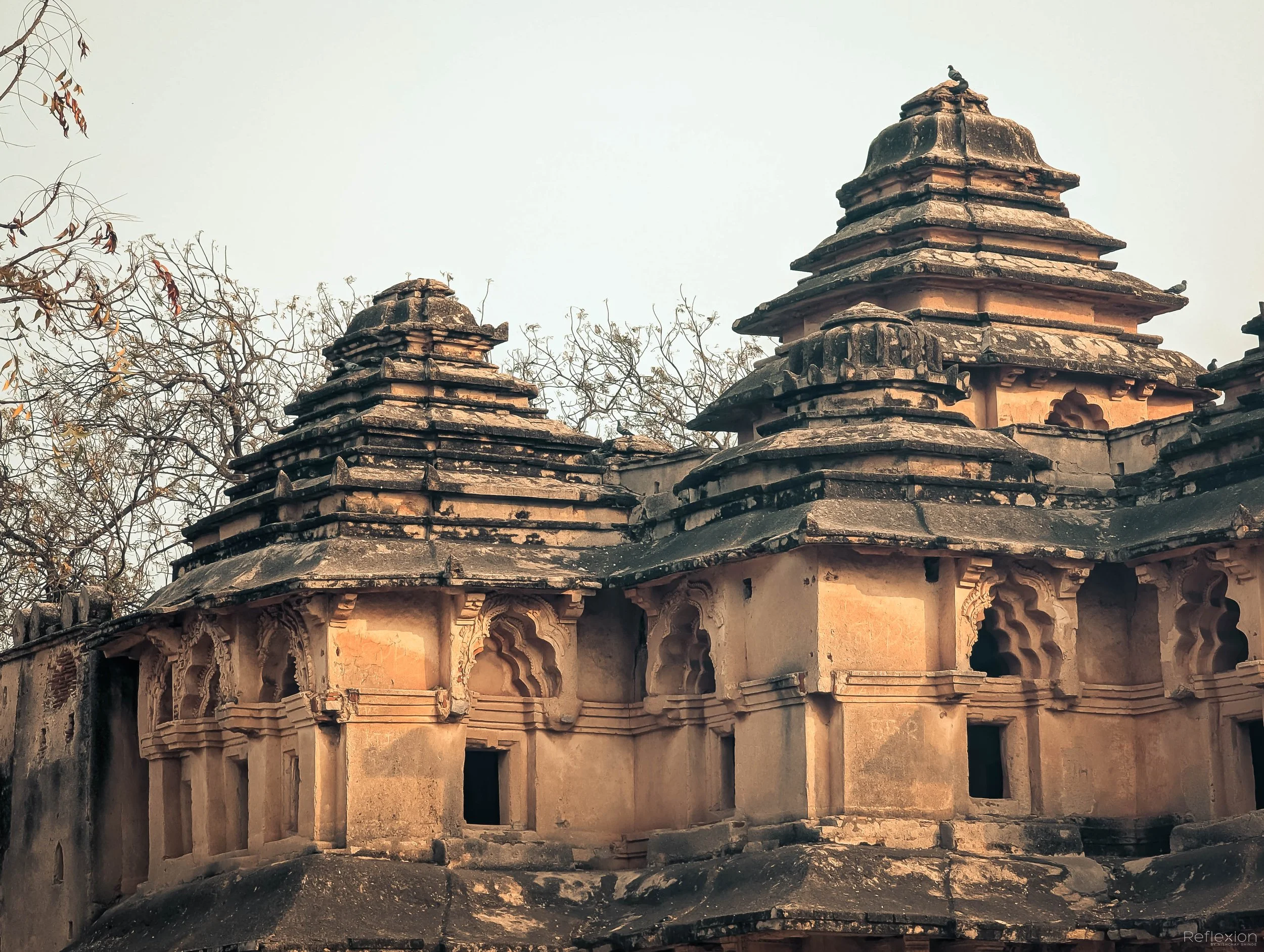
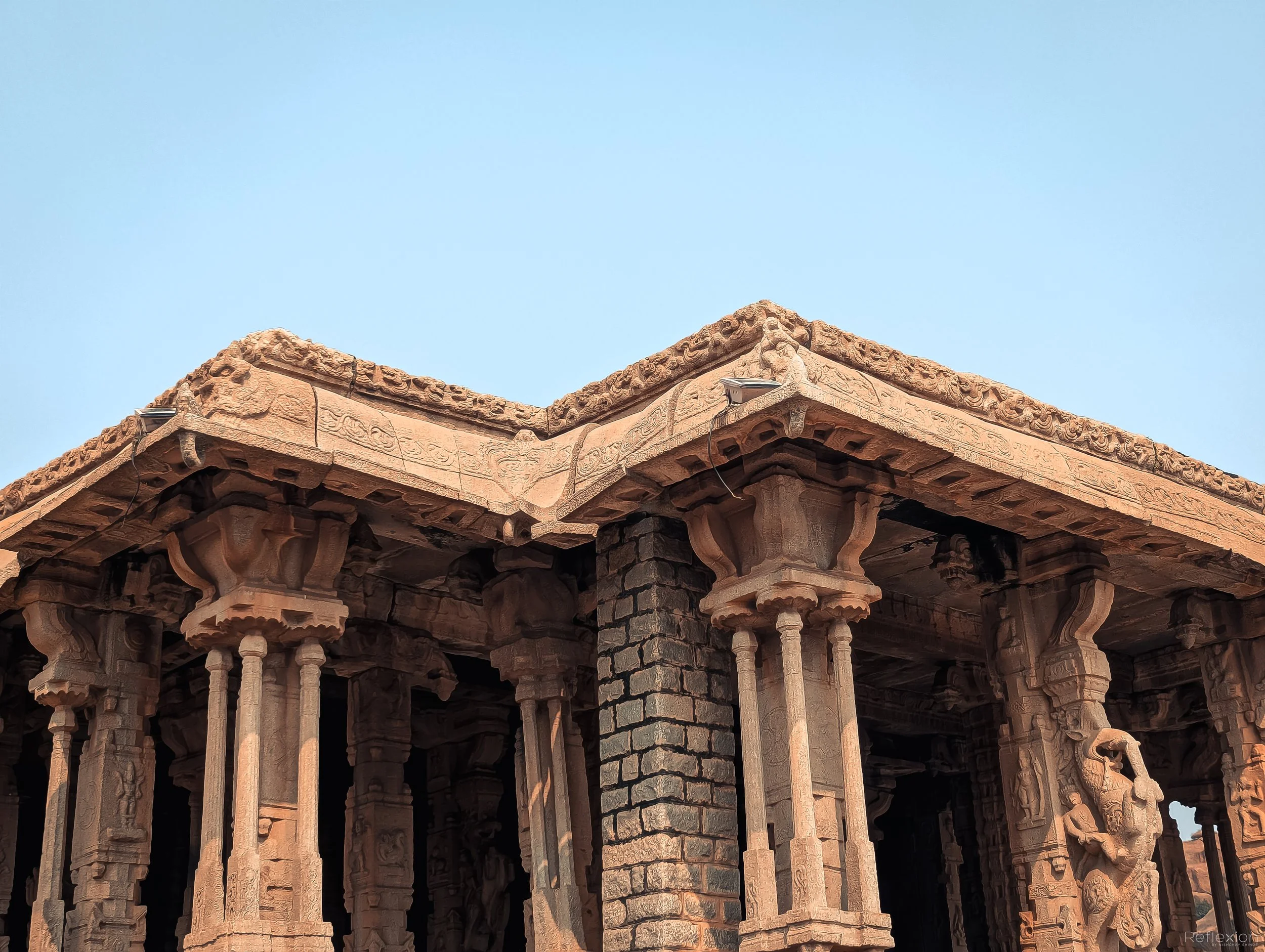
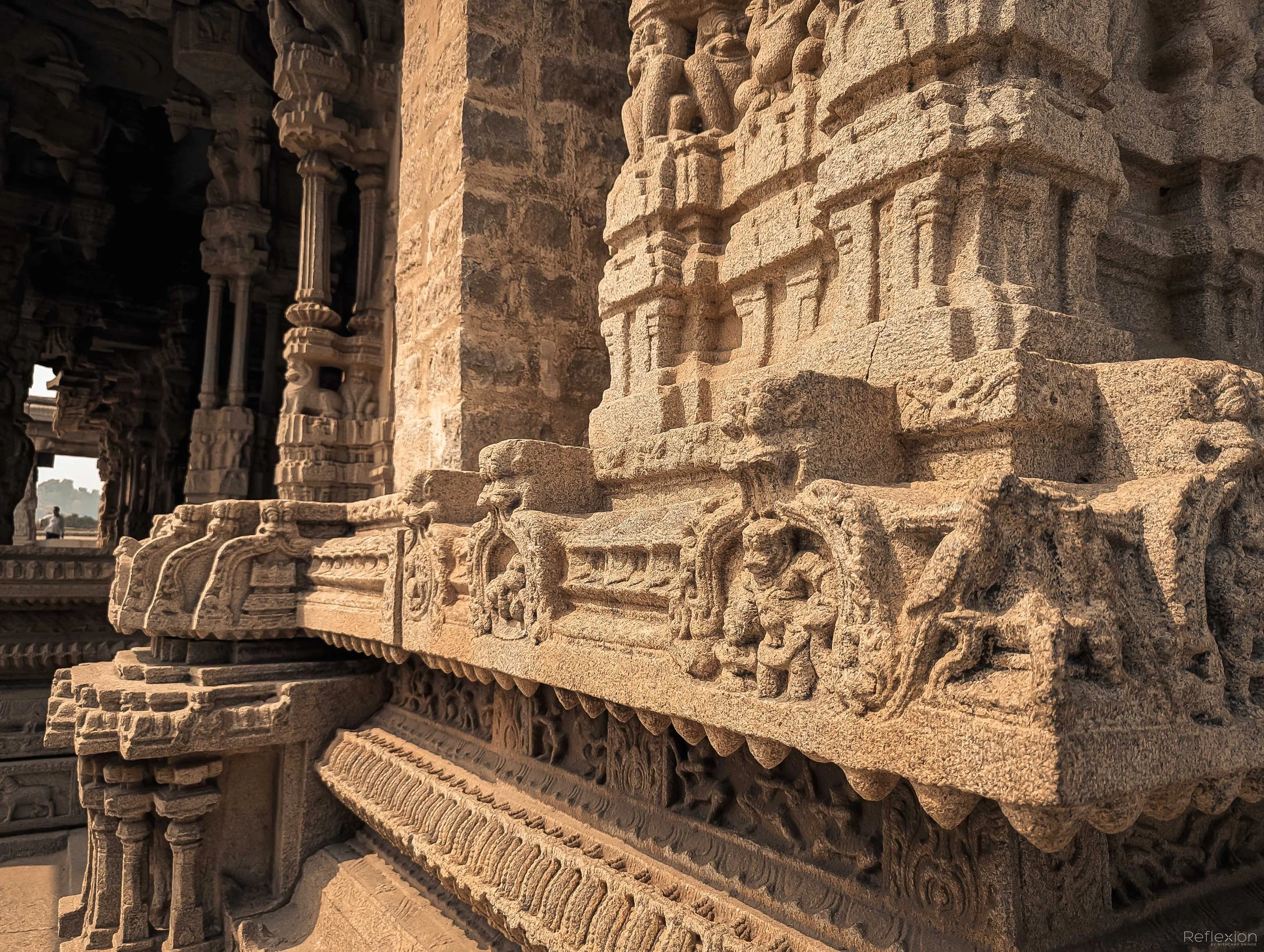
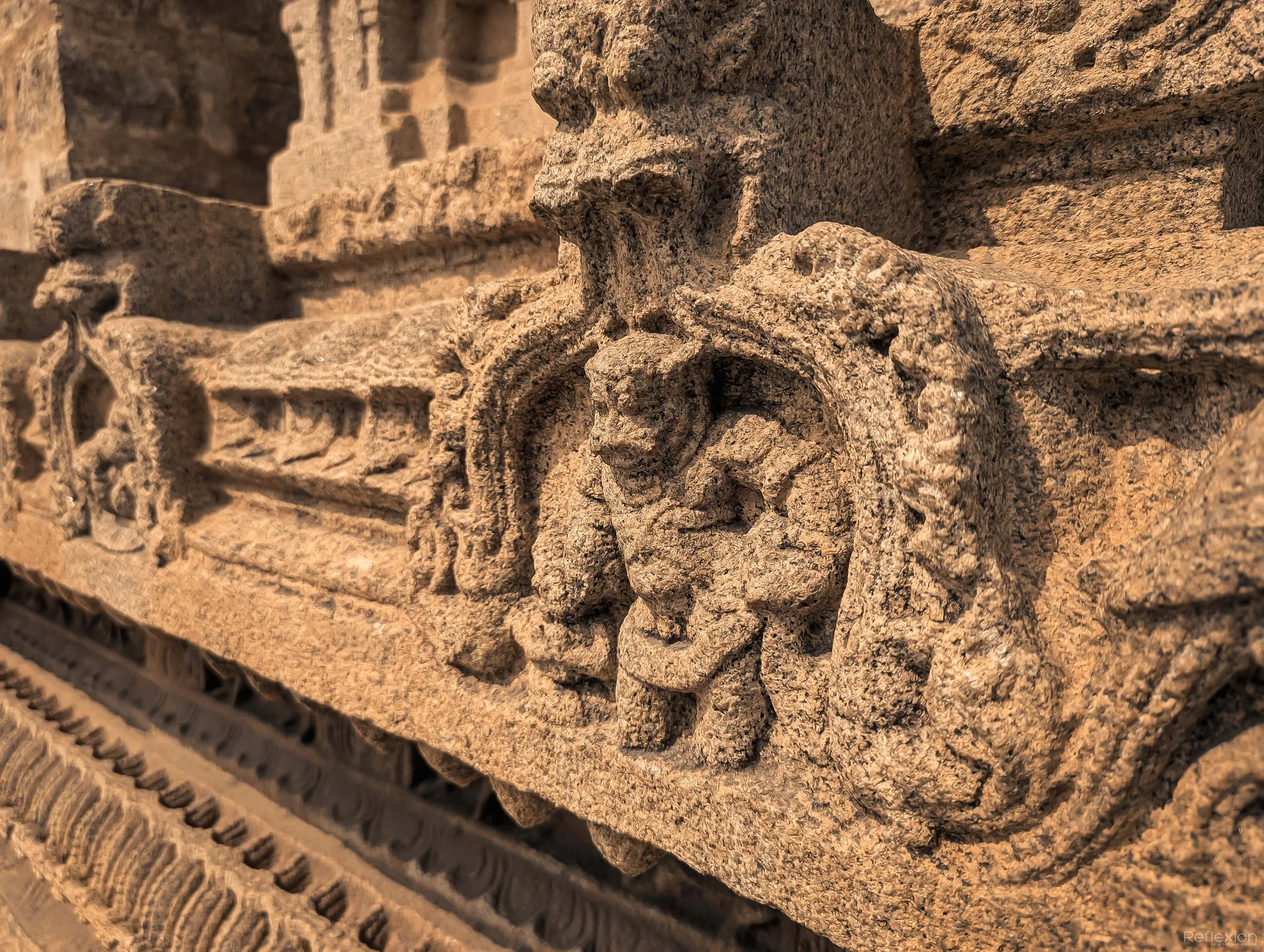
The Macro in the Massive: Getting close to the pillars shows the power of the Pixel’s sensor. Every grain of the granite and every chisel mark on the relief carvings is rendered with tack-sharp clarity. Through my Lightroom edit, I enhanced these shadows to make the stone feel as heavy and storied as it does in person.
4. Golden Hour at the Pushkarani
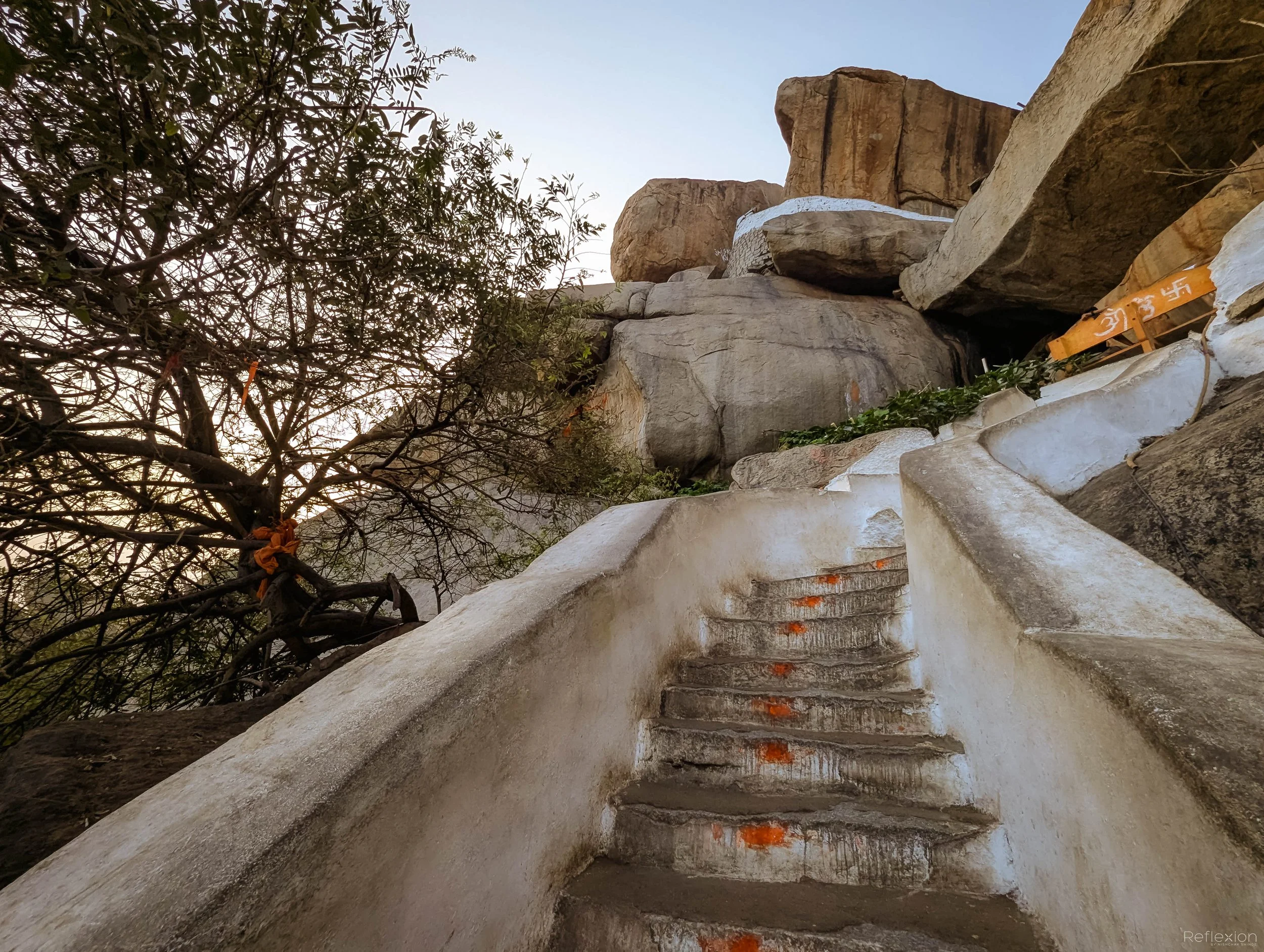
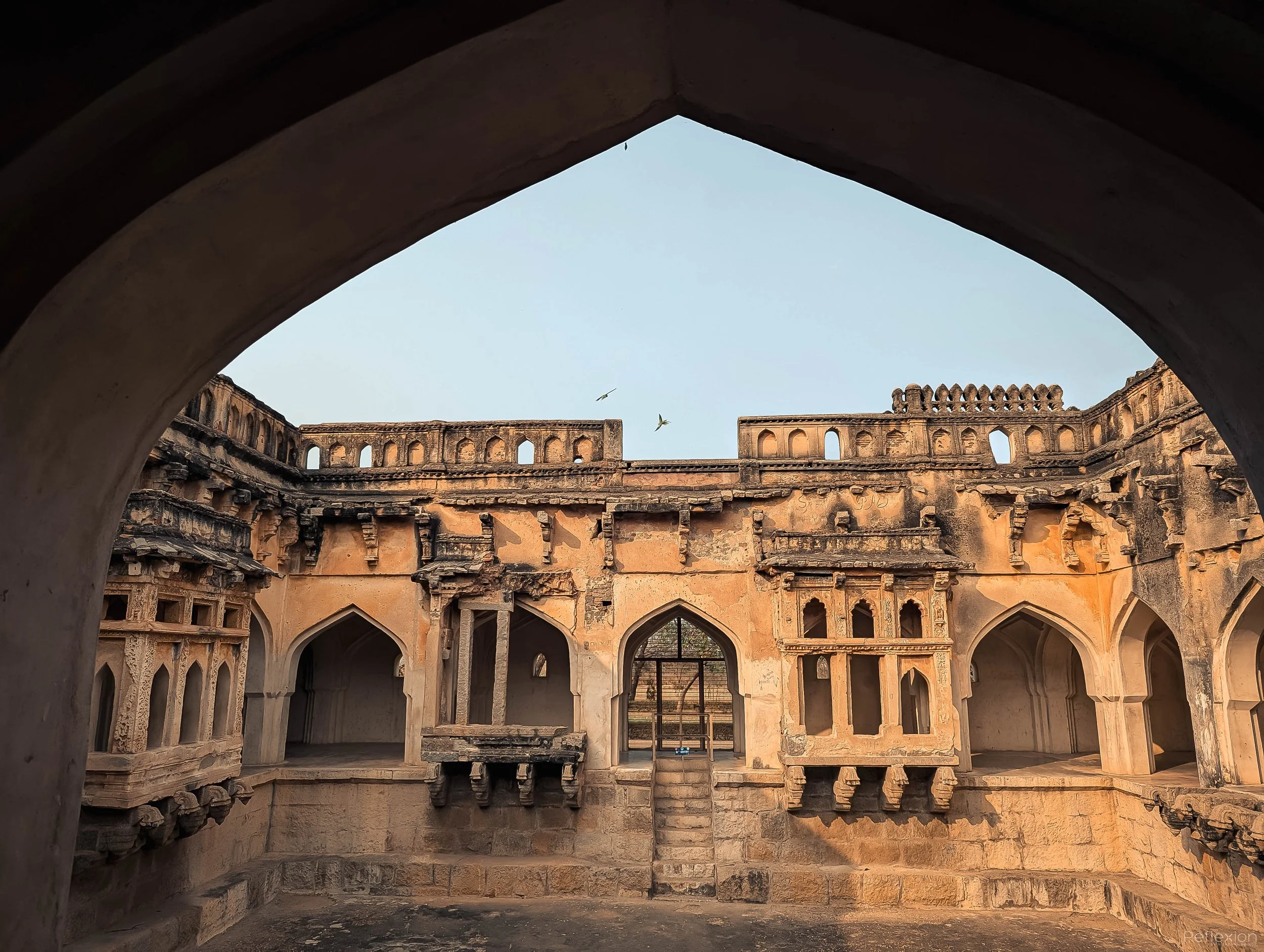
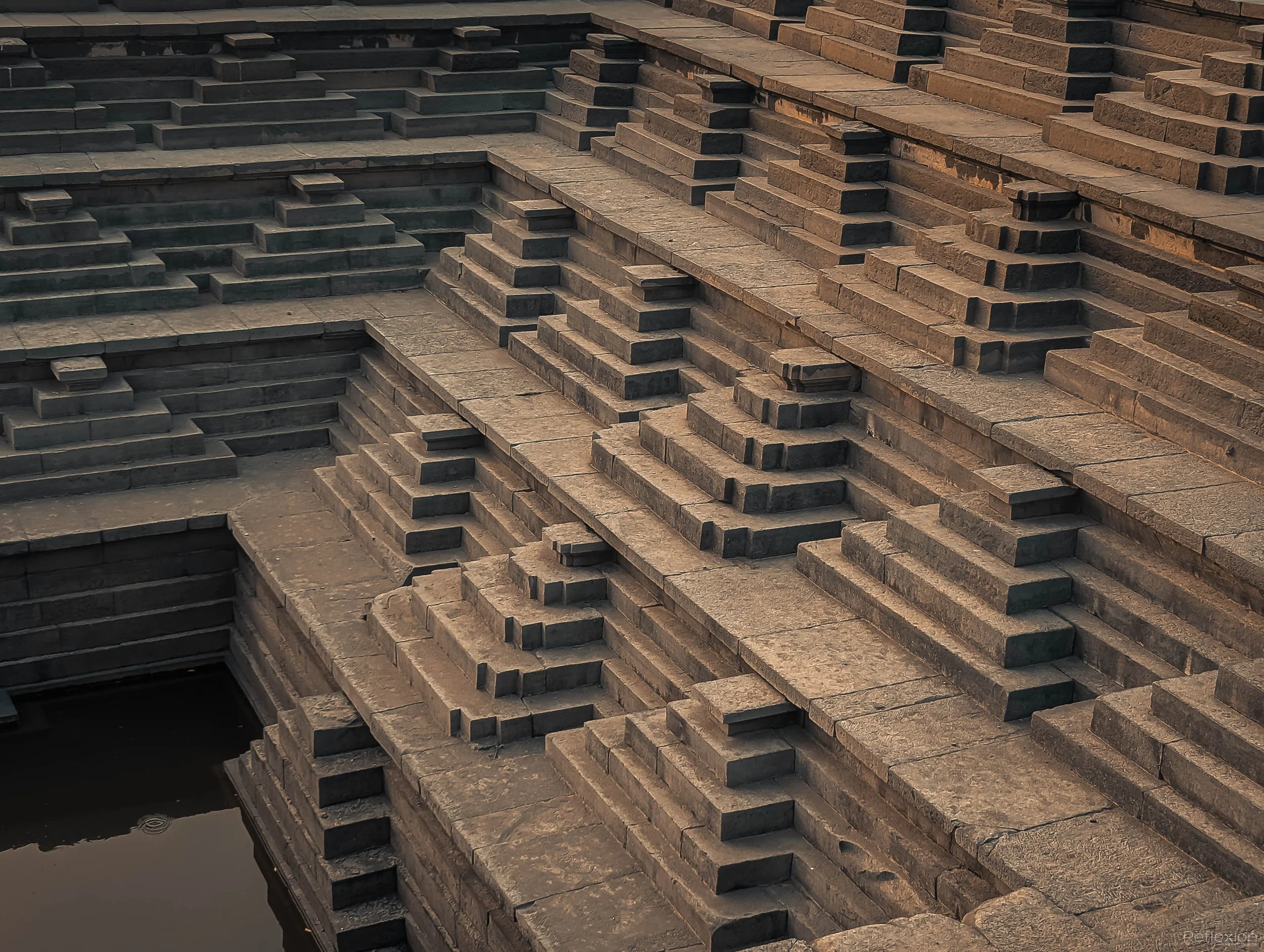
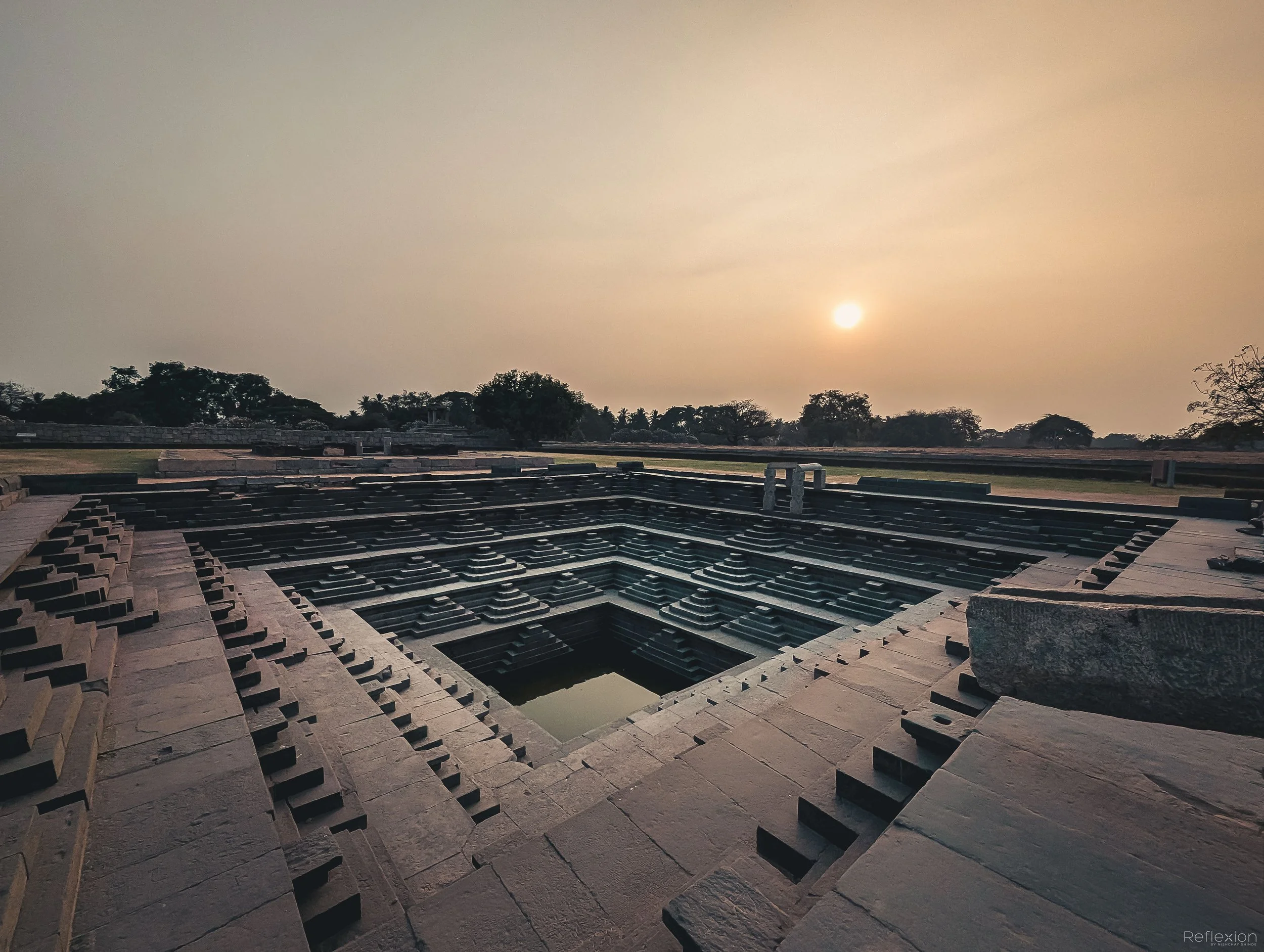
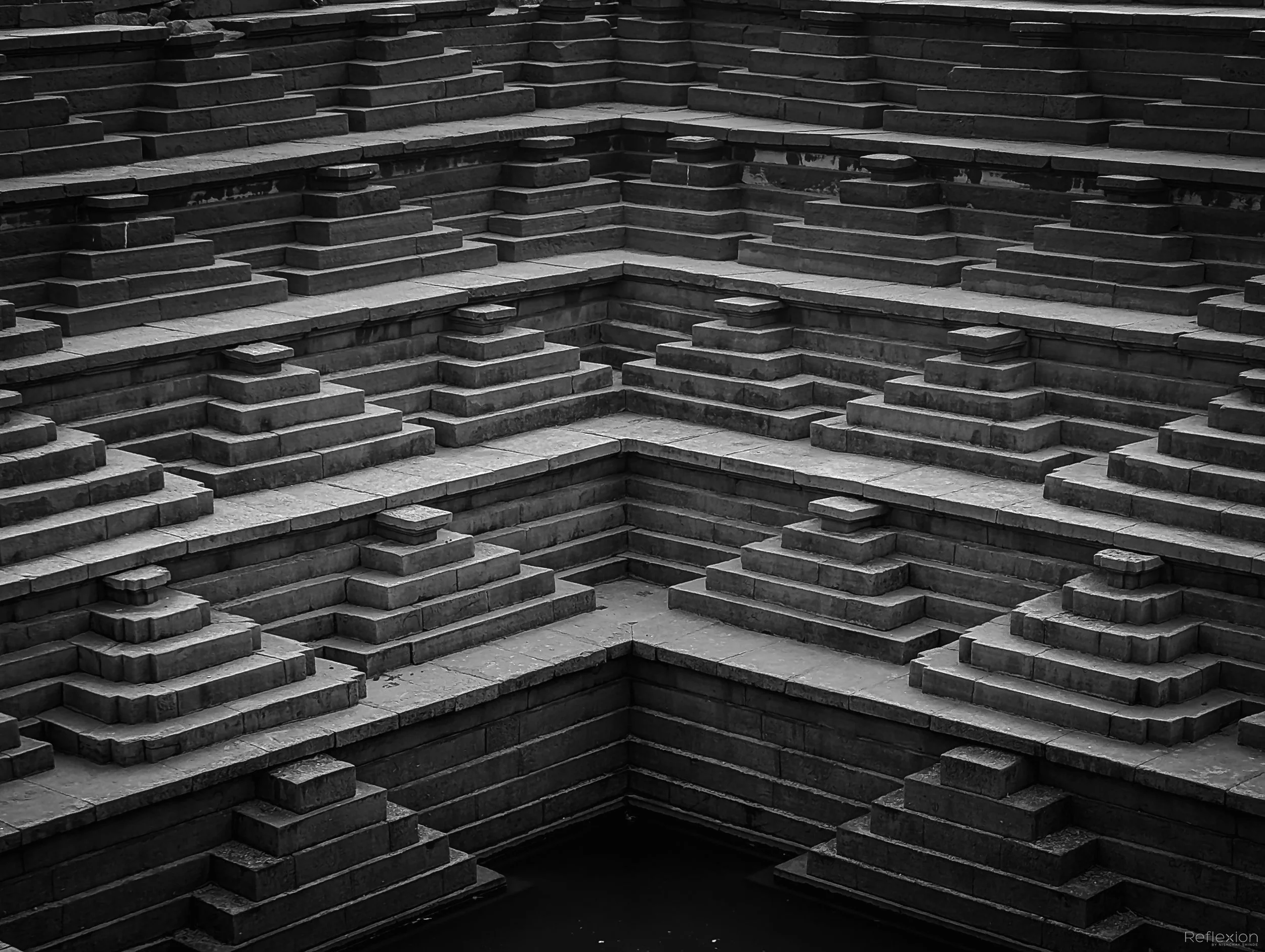
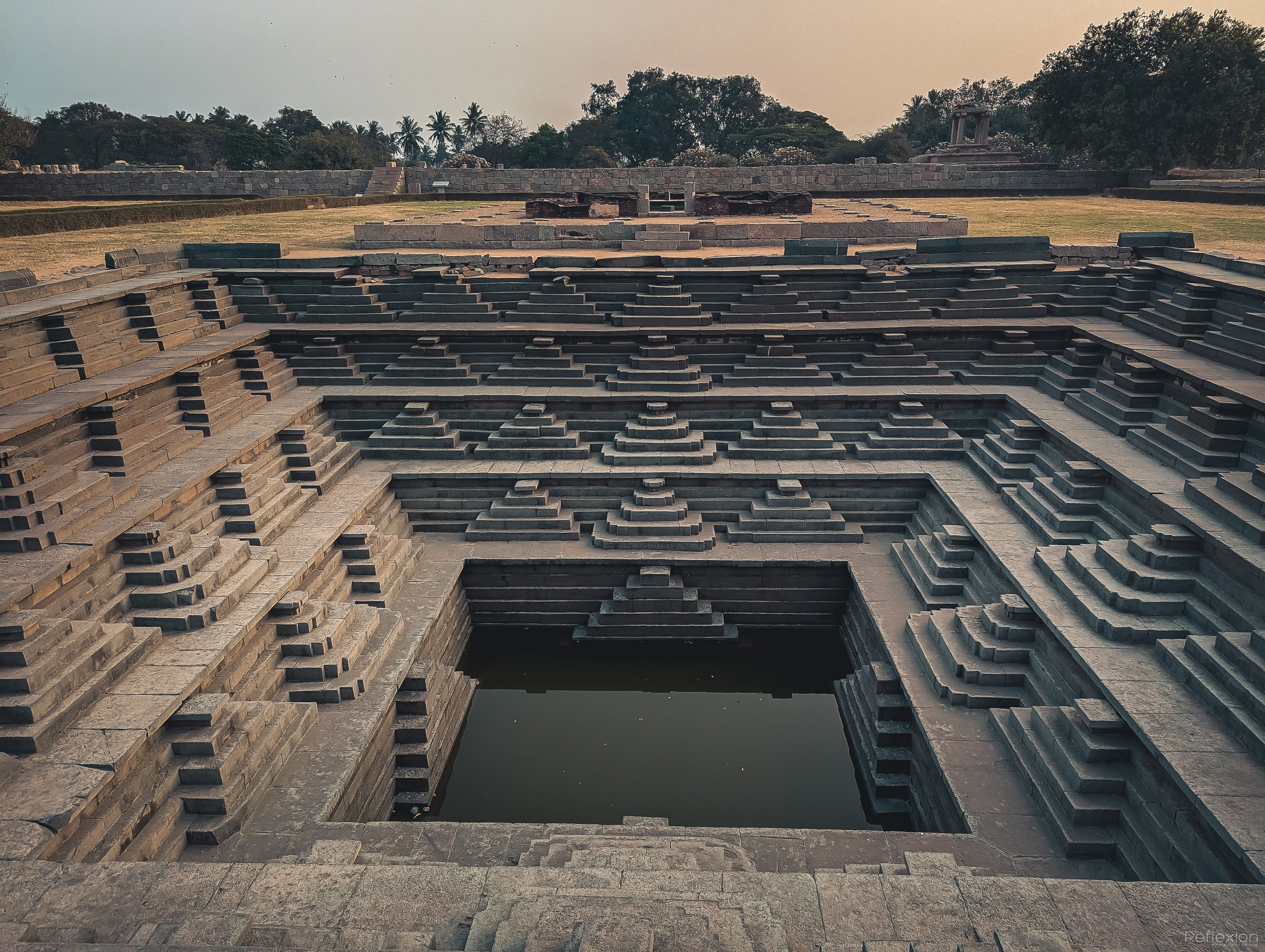
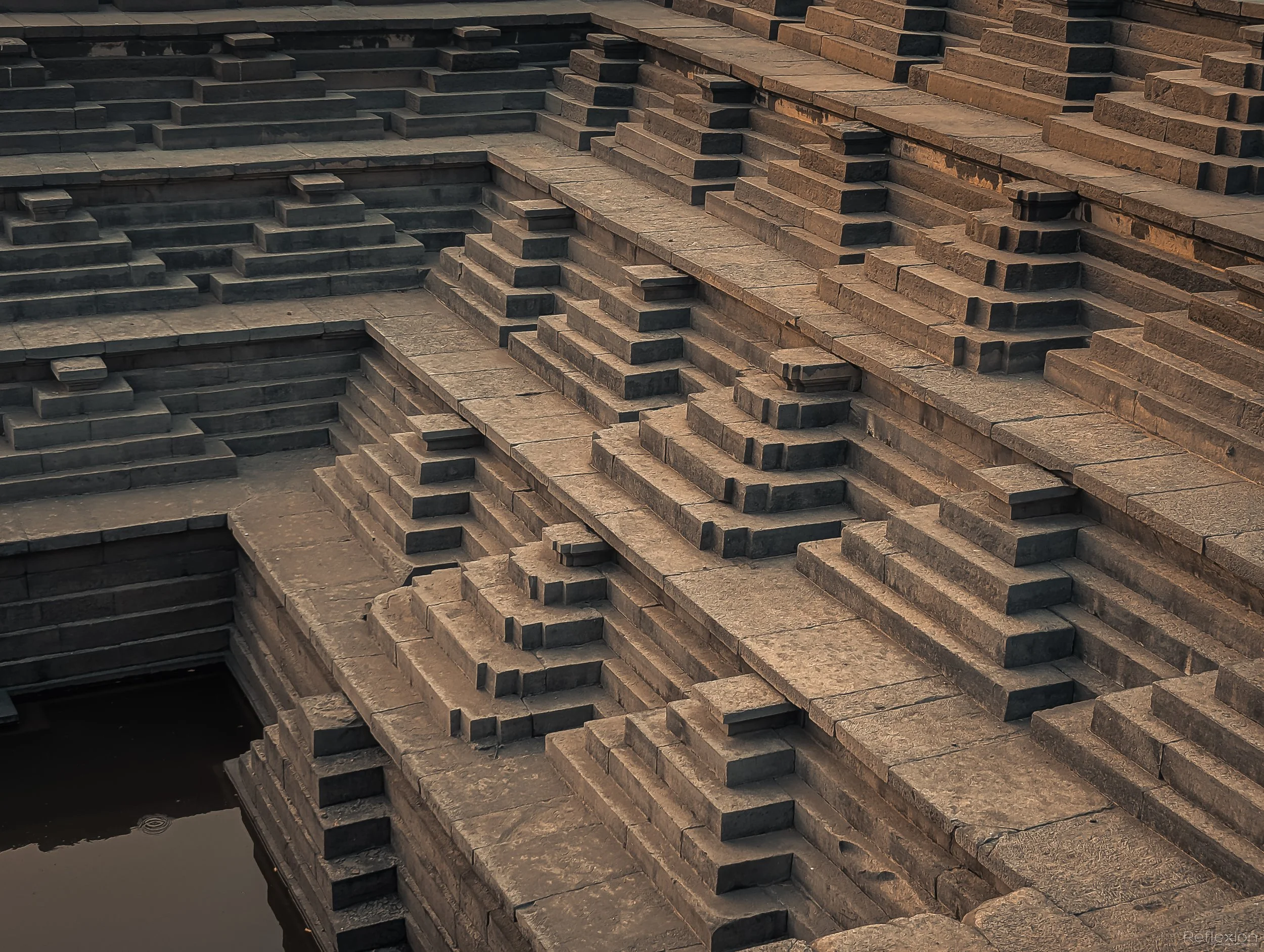
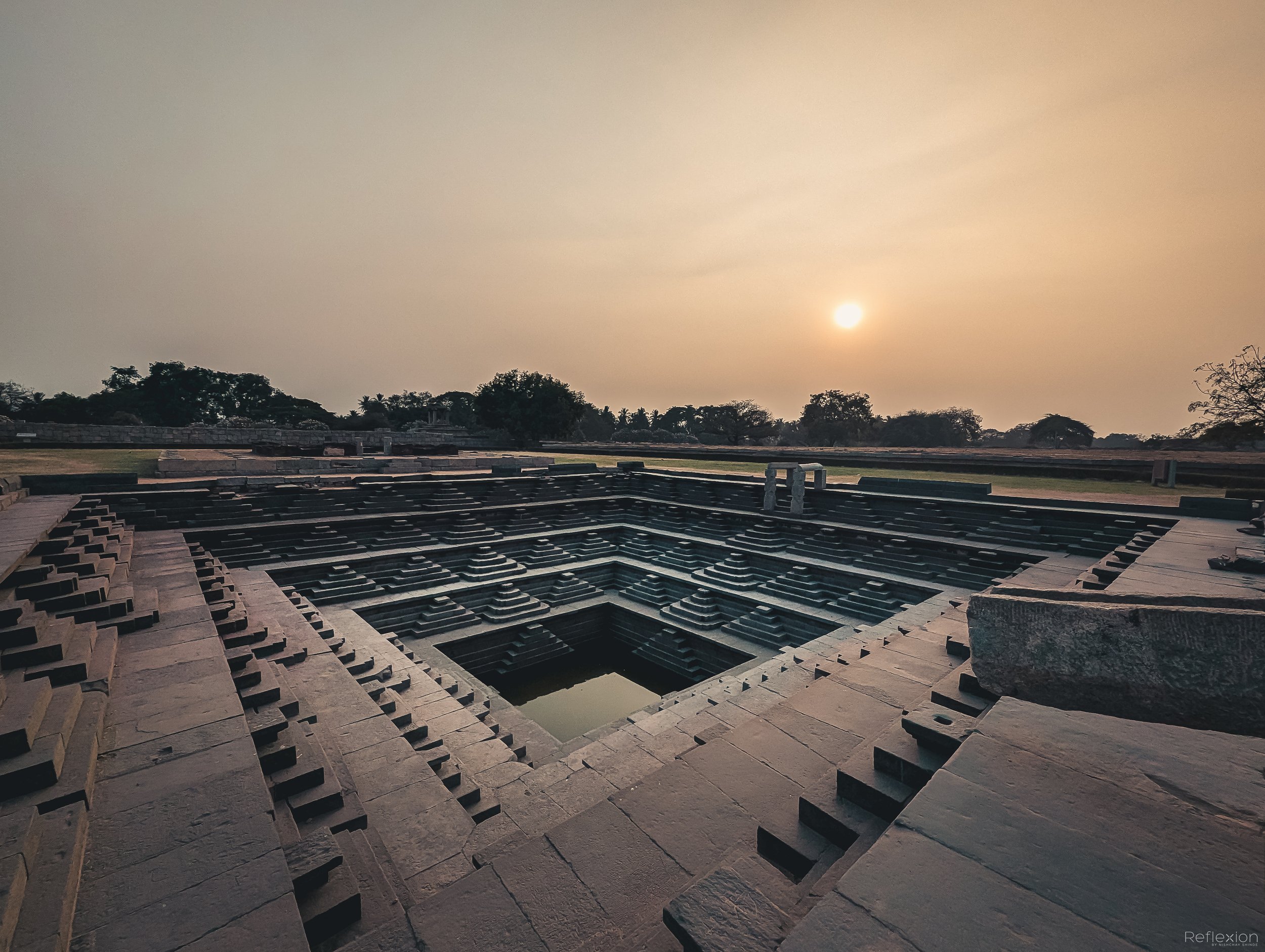
The Pushkarani (stepped wells) are perhaps the most mesmerizing examples of Hampi’s urban planning. Captured during the golden hour, the repetitive geometry of the steps creates a rhythmic visual that feels almost hypnotic. It is here that the light hits best, turning the grey granite into a warm, glowing bronze.
5. The Living History of the Tungabhadra
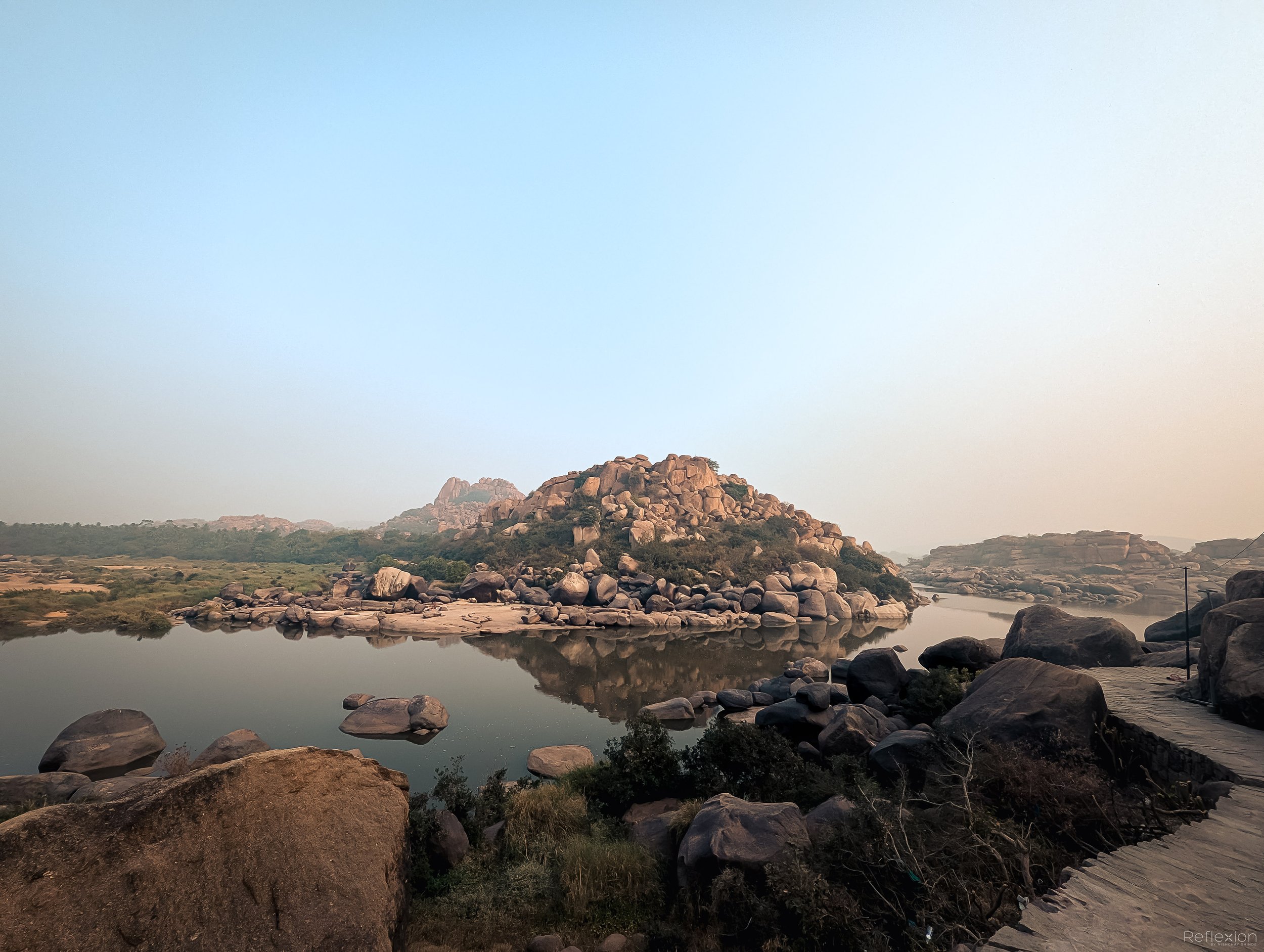
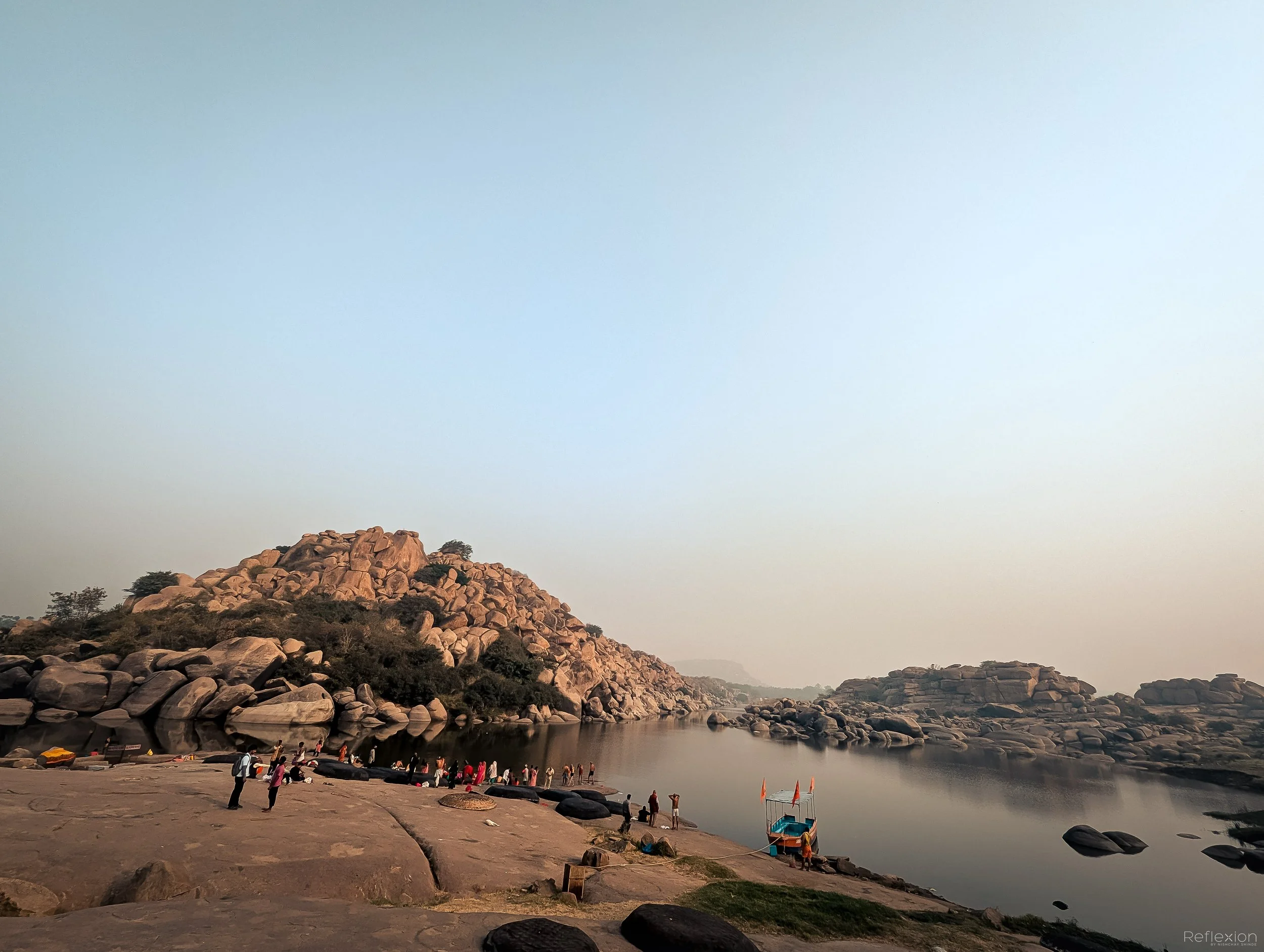
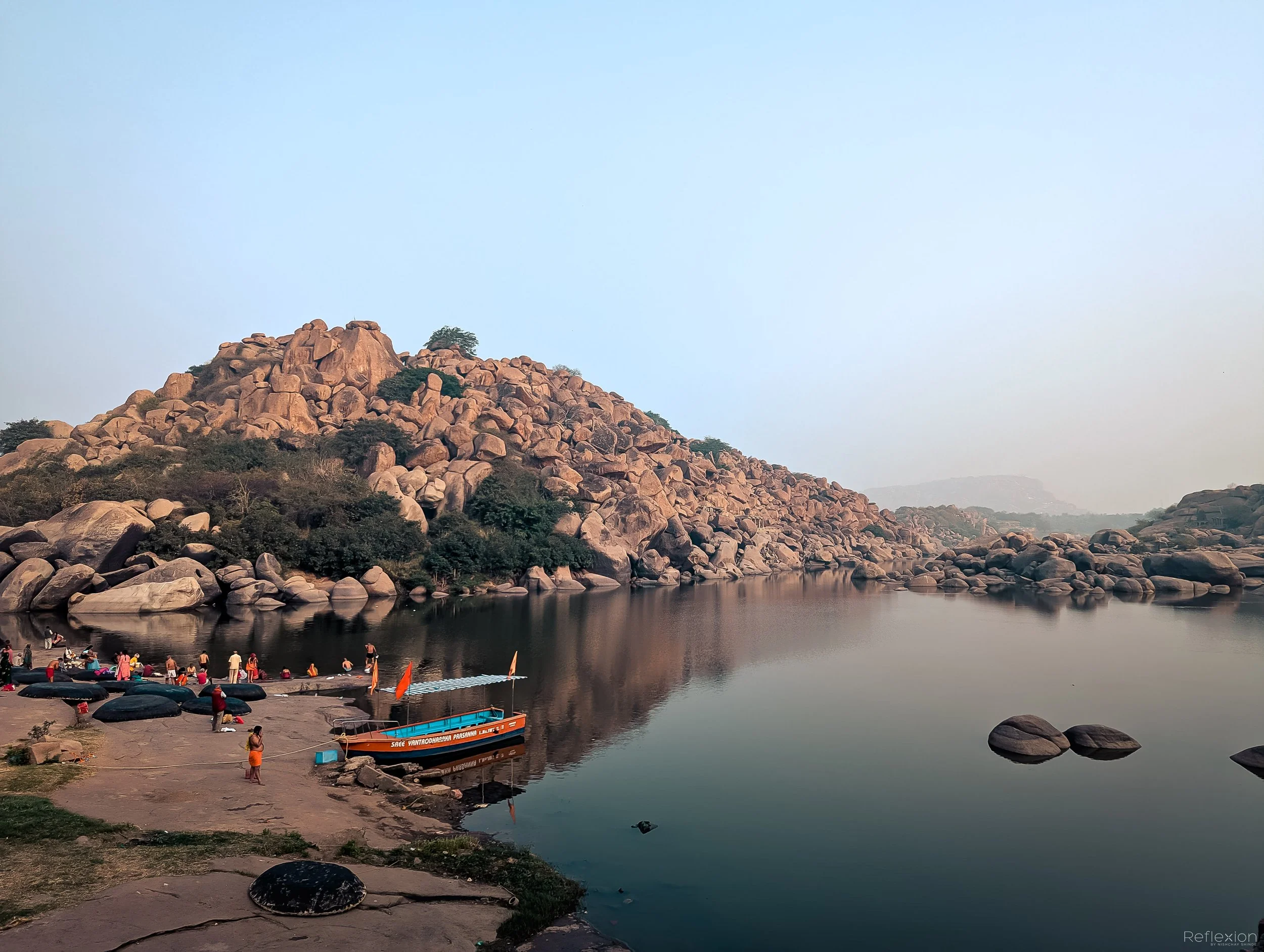
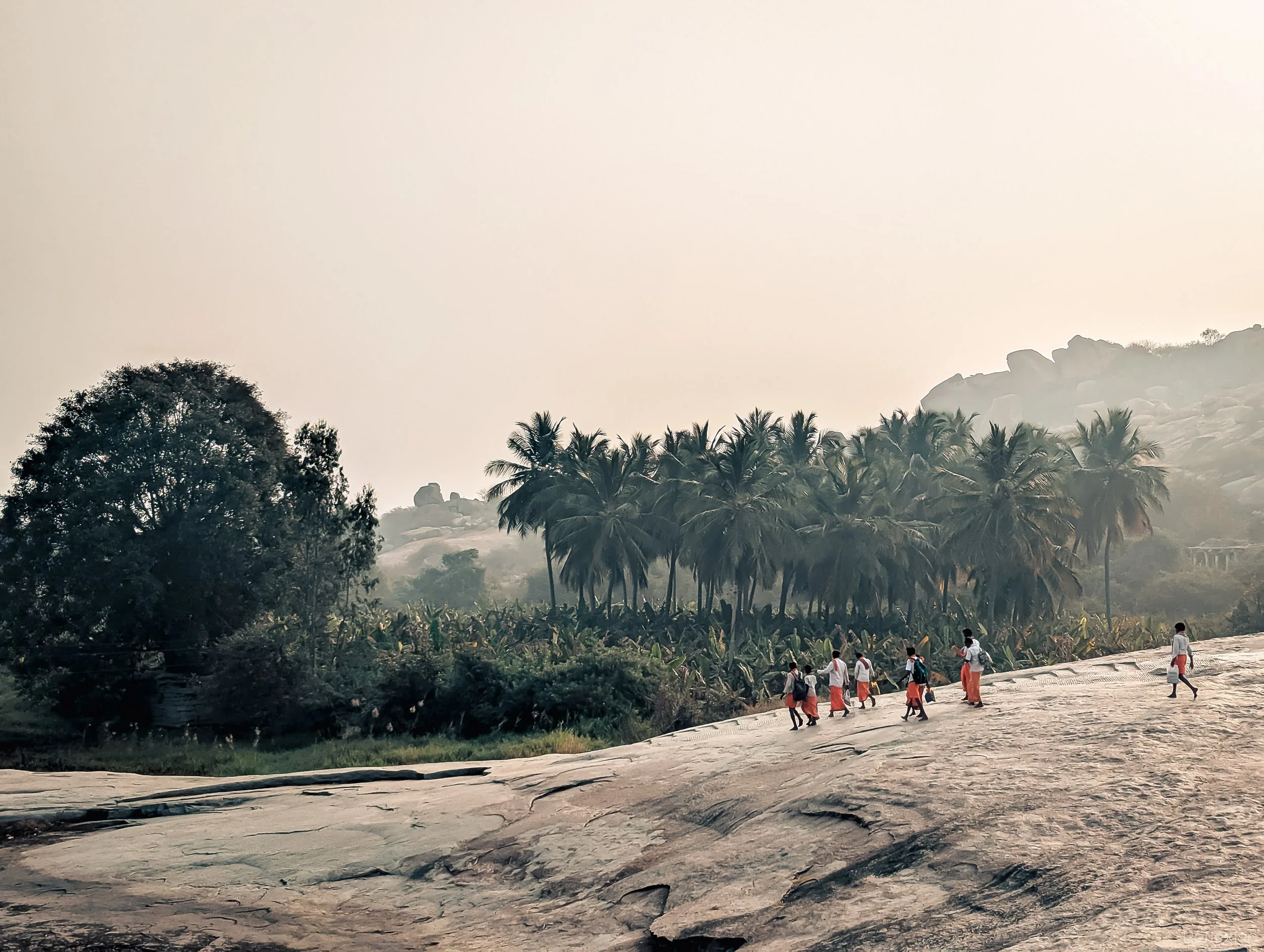
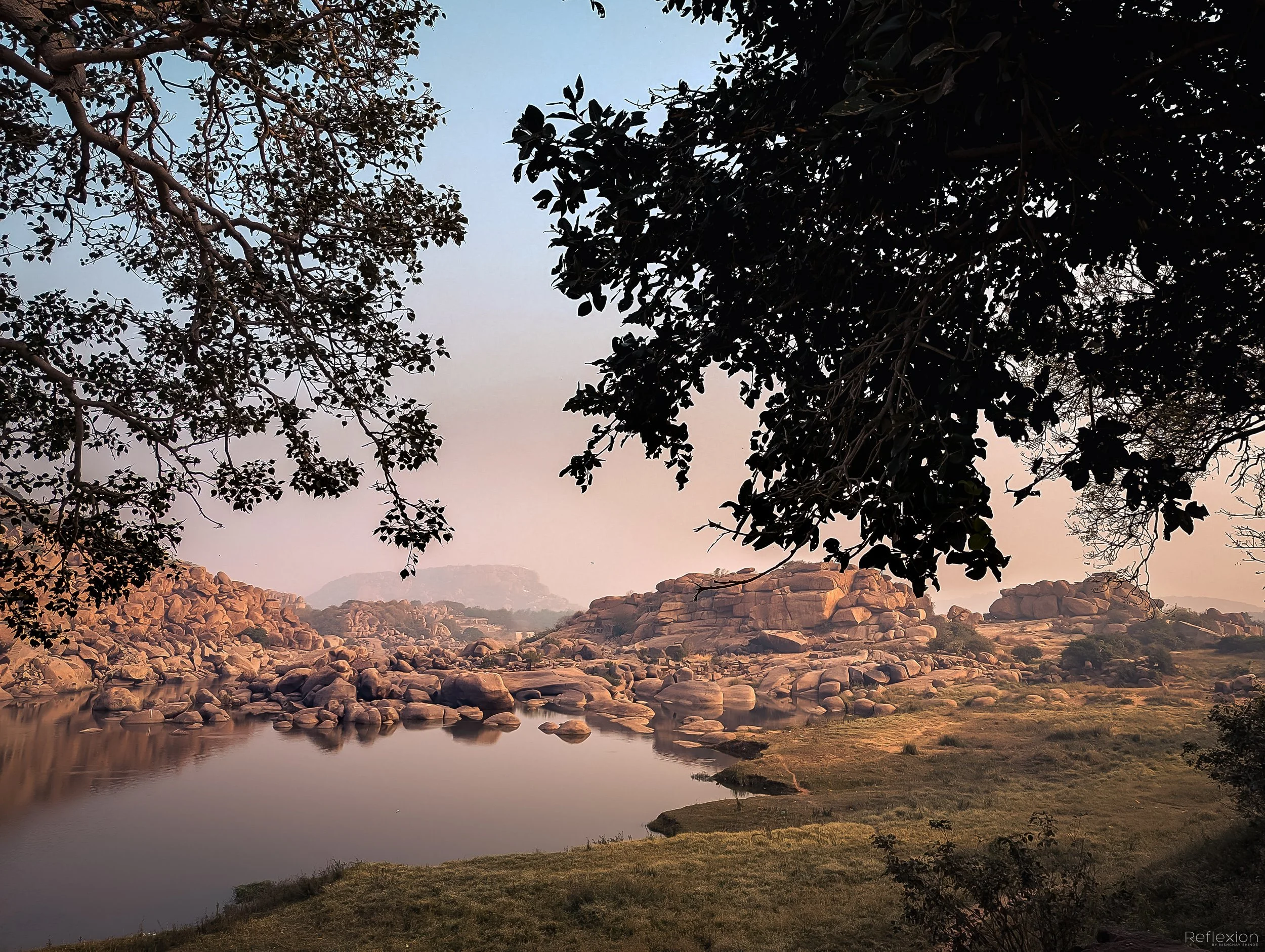
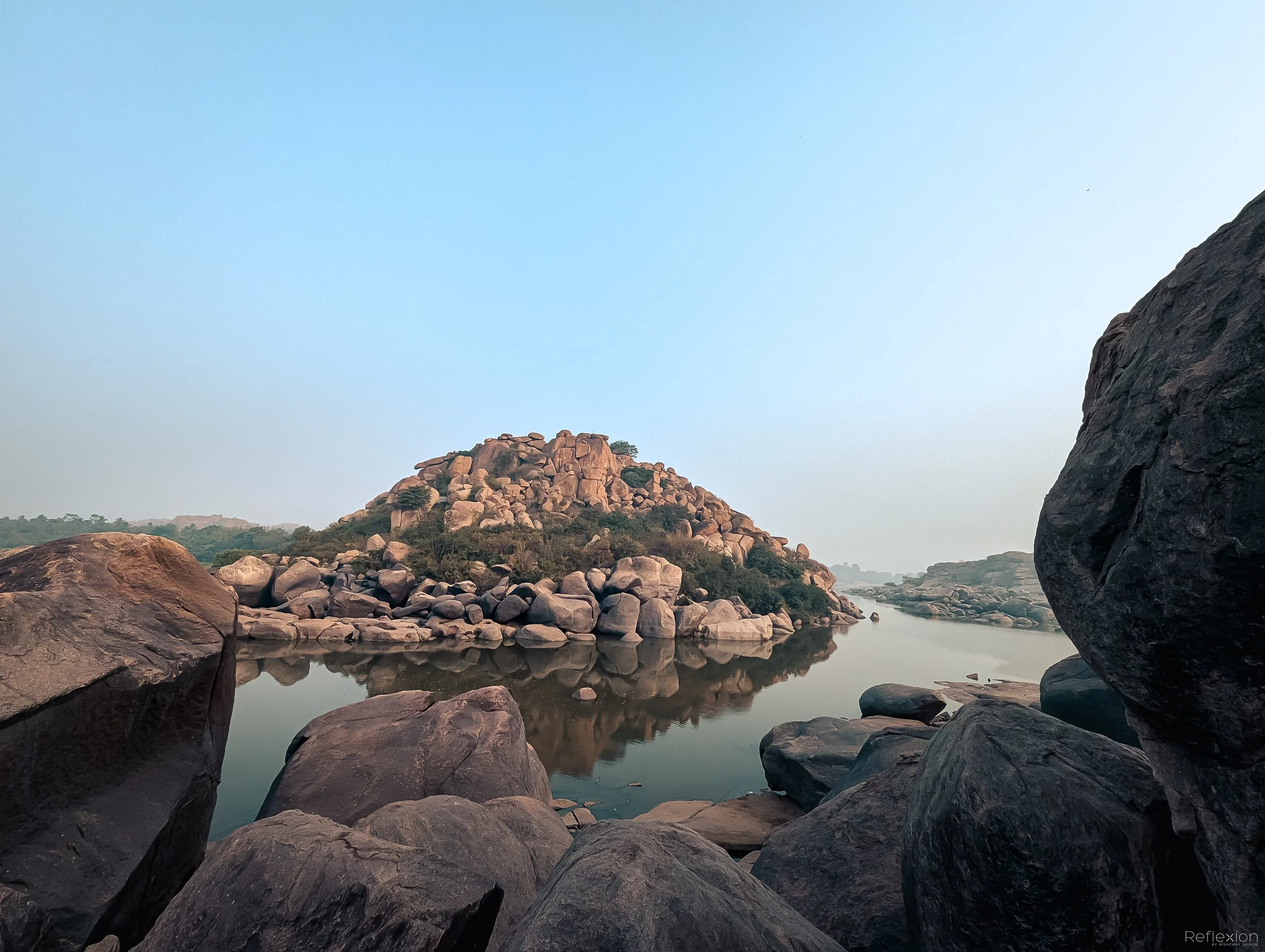
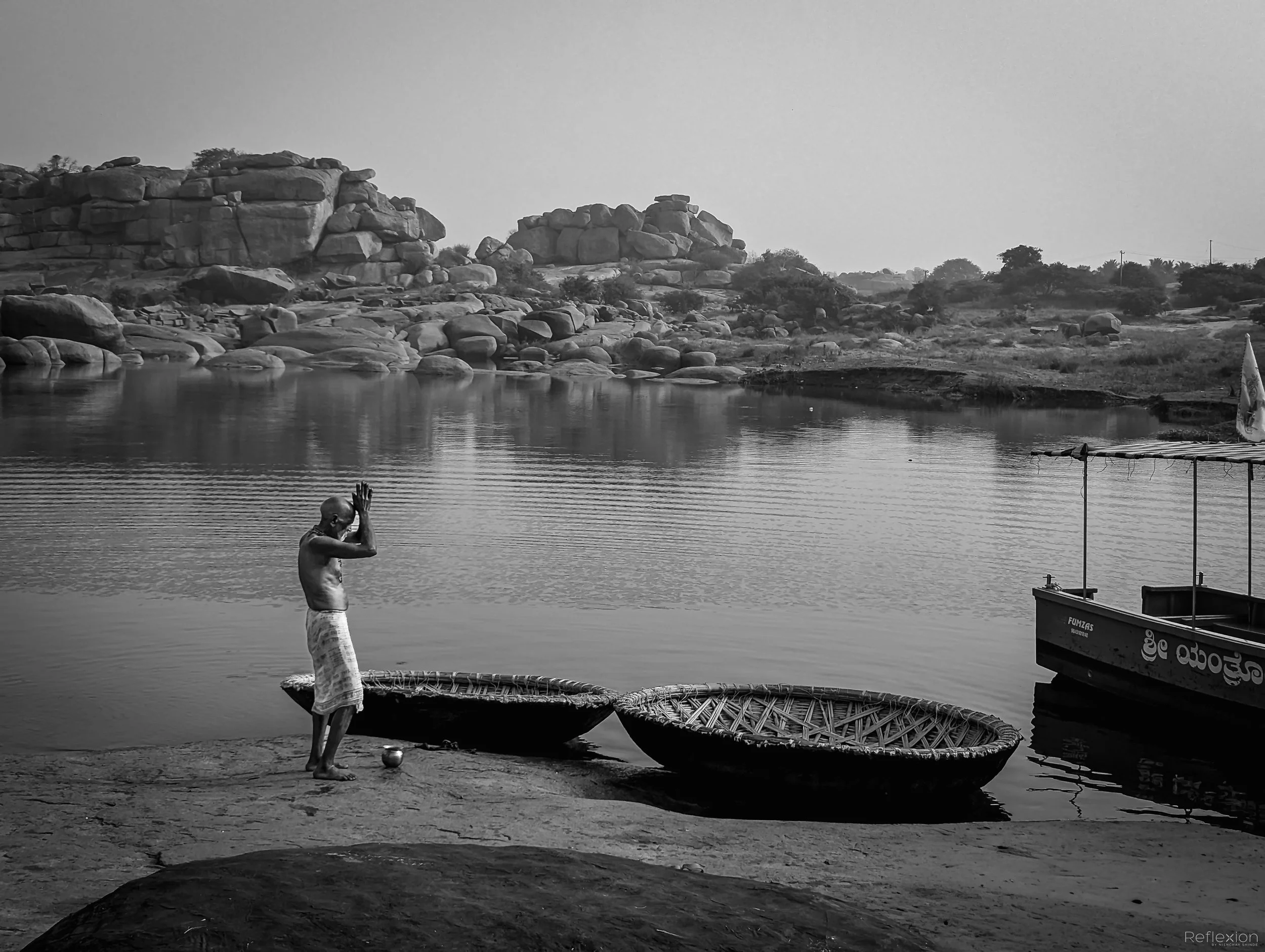
Hampi isn't just a relic; it is a living ecosystem. The Tungabhadra River remains its lifeblood. Whether it’s the hazy, pastel palette of a riverside sunrise or the quiet devotion of a morning prayer among the coracles, the river provides a soft, fluid contrast to the rigid stone city. These frames are about the continuity of life in a place defined by its past.
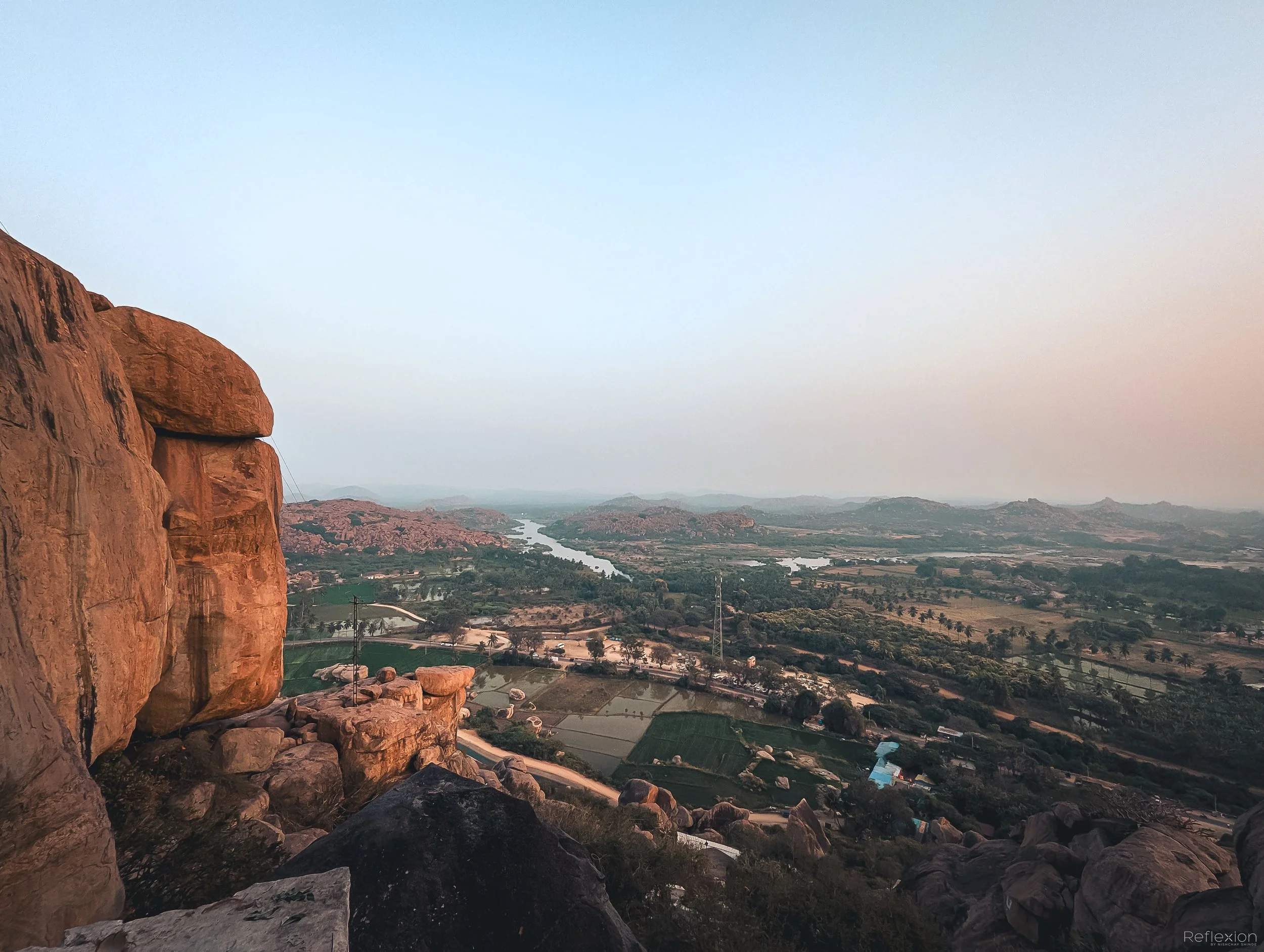
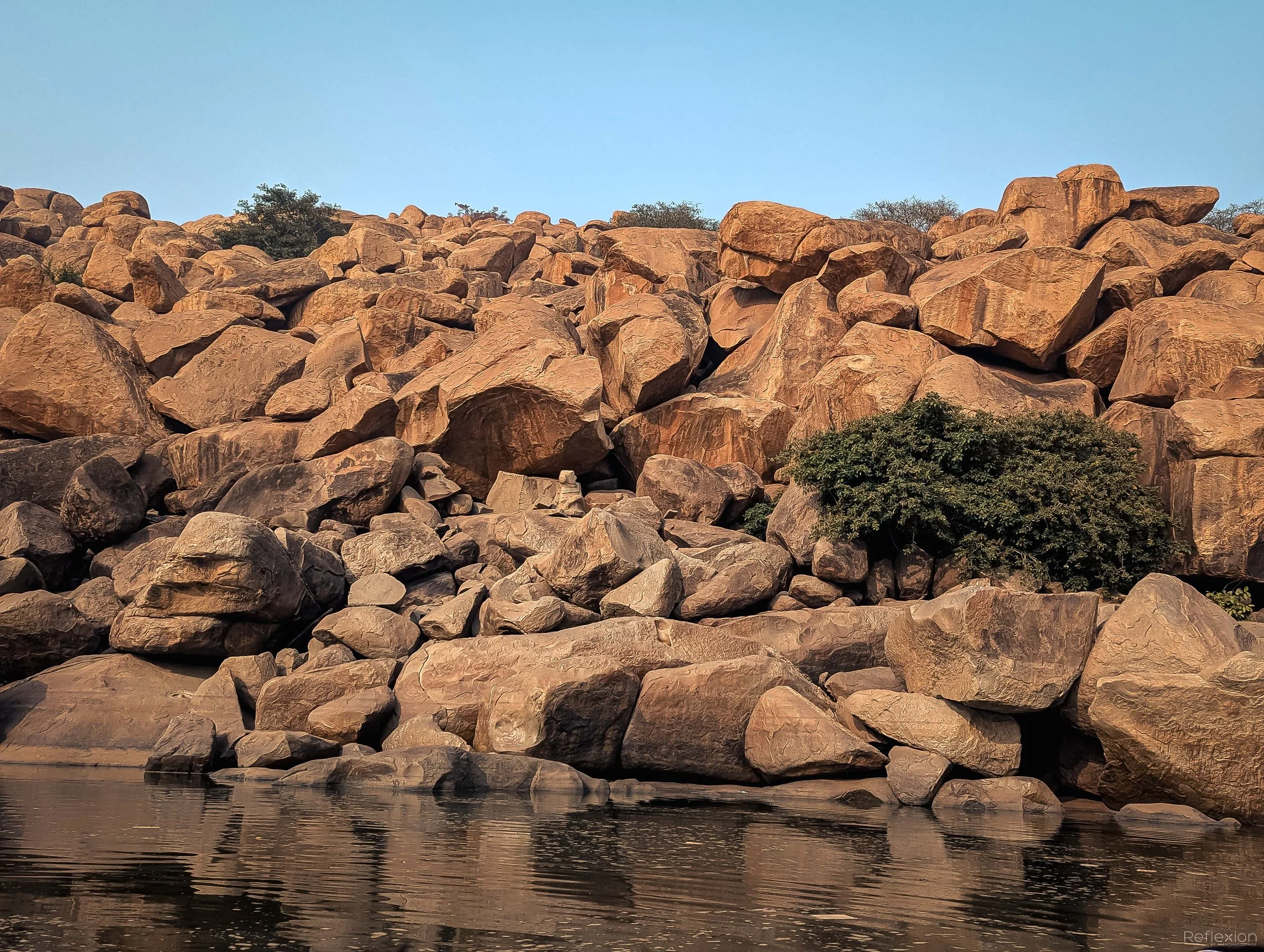
The Atmospheric Canvas: In the wide landscapes, the Pixel 7 Pro beautifully rendered the hazy, pastel palette of the morning. It preserved that "dusty gold" light hitting the boulders across the water, creating a depth that feels almost painterly.
A Moment of Stillness: Moving from the vista to the individual, the frame of a man in morning prayer is the heart of this series. By stripping away the color in Lightroom, the focus shifts entirely to the textures—the gentle ripples in the water, the weave of the coracles, and the quiet devotion of the subject.
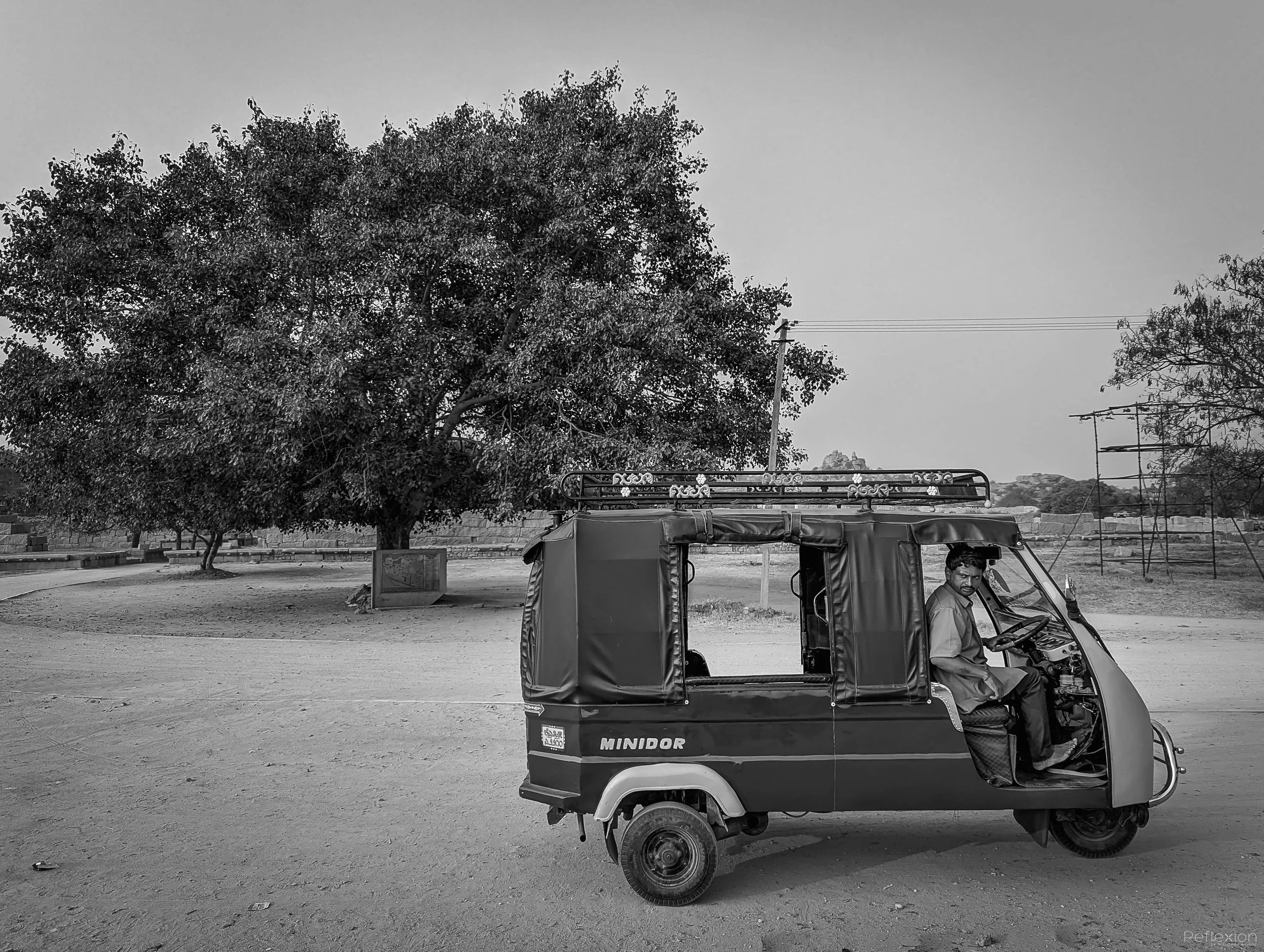
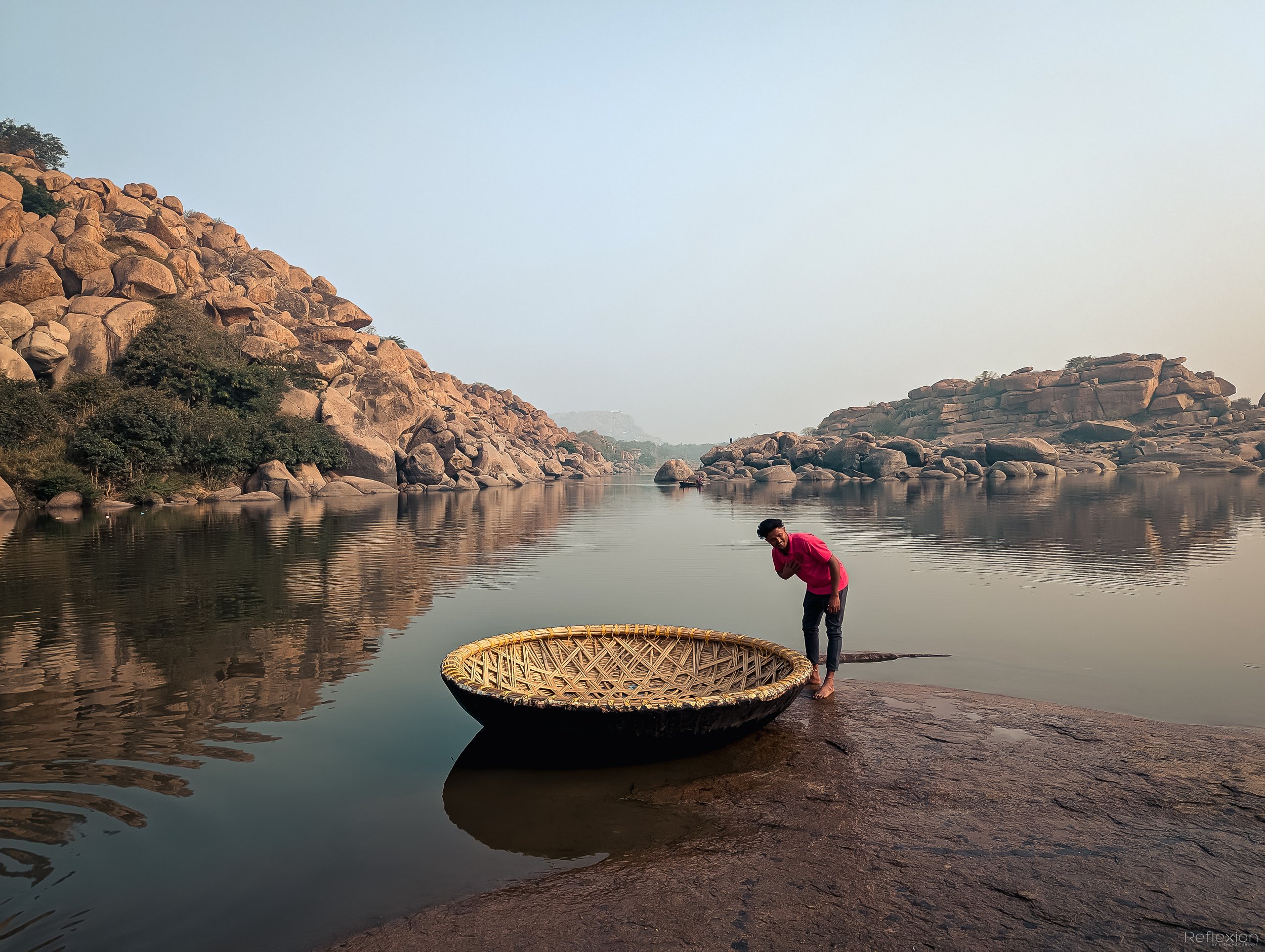
The Rhythm of the River: This is where the "travel light" philosophy paid off. Because I wasn't fumbling with a heavy mirrorless setup or swapping lenses, I could move fluidly with the rhythm of the riverbank. I captured the daily pulse of Hampi—the coracles crossing, the laundry on the rocks, the modern life unfolding against an ancient backdrop—with a spontaneity that only a mobile setup allows. The sensor’s ability to freeze motion while maintaining the soft, morning light ensured that the energy of the river stayed intact.
There is a certain liberation in exploring a UNESCO World Heritage site with nothing but a phone in your pocket. By choosing the Pixel 7 Pro over my traditional mirrorless setup, I was able to focus entirely on the composition and the moment, rather than my gear.
Whether it was the quick snap of a ritual by the Tungabhadra or the high-dynamic-range challenge of a sunset over Hemakuta Hill, the phone delivered files with the flexibility I usually expect from a "pro" camera. This trip reaffirmed my belief: it's not the weight of the gear, but the depth of the perspective that matters.